
Can I foster if my home needs adaptations?
Yes, you may be able to foster if your home needs adaptations. Your fostering assessment will consider whether the property is safe and suitable for a child, what changes are needed and whether they can be completed before approval.
Partnering with an
Ofsted Outstanding Provider
A home needing adaptations is assessed on the basis of safety, space and suitability rather than appearance or age. The important question is whether the property can meet the needs of a child placed there, with any necessary changes identified and considered as part of the fostering assessment.
Adaptations may be relevant where a child has a physical disability, sensory impairment, mobility difficulty or additional health needs. They can also be needed to make everyday parts of the home safer and more accessible. Examples might include:
- stair gates, handrails or improved access between floors;
- changes to bathroom facilities, such as adapted bathing equipment or safer flooring;
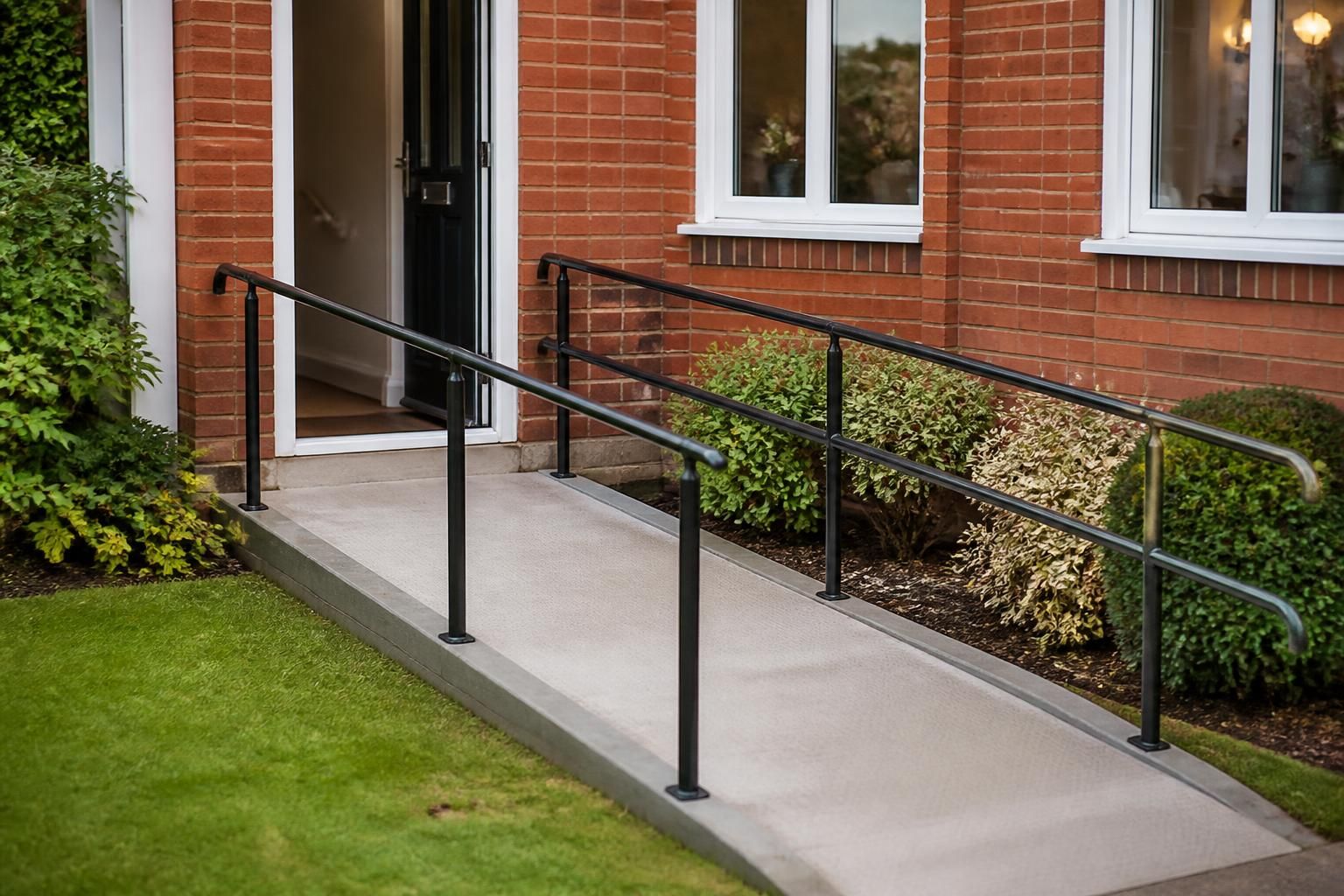
- doorway, path or entrance alterations for wheelchair or walking-frame access;
- secure storage for medication, medical equipment or specialist supplies;
- adjustments to bedroom arrangements, heating, lighting or fire safety equipment; and
- changes that reduce risks in the garden, kitchen or other shared areas.
Not every foster child will need the same facilities, so adaptations are normally considered alongside the type of fostering you are seeking and the needs you may be able to meet. A family approved for a particular placement may not need to make the same changes as a family being considered for a child with significant mobility or healthcare requirements.
During the home assessment, the assessing social worker will look at the layout and condition of the property, access to bedrooms and bathrooms, fire precautions, storage, privacy and general household safety. They may discuss how a child would move around the home, whether there are trip or fall hazards, and how equipment could be used without restricting other members of the household.
If specialist changes may be needed, the fostering service can identify the information required to assess them properly. This might include advice from an occupational therapist, healthcare professional, fire safety adviser or another relevant specialist. The assessment should also consider whether an adaptation is practical, who would arrange it and whether it needs to be completed before a child is placed.
You should raise any existing adaptations at the beginning of the application process. Provide details of work already carried out, equipment in use and any restrictions affecting access. Photographs, plans, inspection documents or information from a landlord may help the assessing team understand the property, although the exact evidence required will depend on the circumstances.
If you rent your home, structural alterations normally require the landlord’s permission. The fostering service will need to know whether permission is available and whether the proposed work is suitable for the property. If you own your home, you may still need to check planning, building control, electrical or other safety requirements before work begins. Do not arrange significant alterations solely on the assumption that they will be required; first establish what the assessment identifies as necessary.
Adaptations may affect the recommendation about the type of placement, the age or needs of children considered, or the conditions attached to approval. In some cases, no changes will be needed before approval. In others, specific work, safety measures or evidence that work has been completed may be required before a placement can be considered.
Your own disability or access needs should also be discussed openly. Fostering services assess whether you can provide safe and consistent care, taking account of the support, equipment and household arrangements that make this possible. Needing adaptations yourself does not, by itself, determine the outcome of an application.
Practical questions to ask during your assessment include:
- Which adaptations are essential for the children I may be approved to care for?
- Do they need to be completed before approval or only before a particular placement?
- What professional assessments or safety certificates are needed?
- Who is responsible for arranging and paying for the work?
- How will the changes affect other children and adults in the household?
- What alternative placement types could be considered if a specific adaptation is not practical?
The cost and responsibility for adaptations should be discussed directly with your fostering service because arrangements vary according to the work, the property and the child’s assessed needs. Some equipment may be temporary and placement-specific, while structural changes may require separate permission and planning. Your fostering team can explain the assessment requirements and help you understand what needs to be addressed before you proceed.
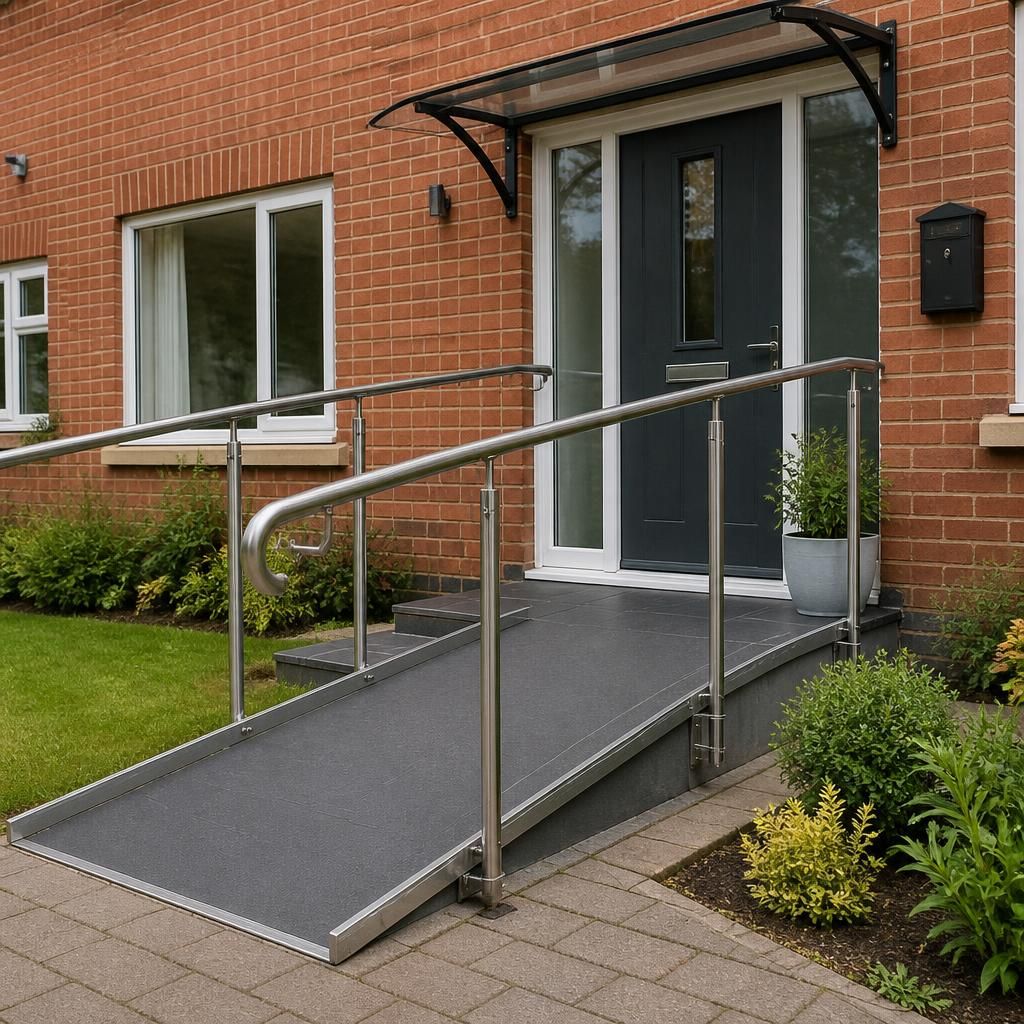
Any adaptation used to support a foster child must remain practical in everyday family life, not just look suitable during an inspection. Access routes should be kept clear, equipment should be maintained, and everyone in the household should understand how it is used. This is particularly important where a child relies on adapted bathroom facilities, mobility equipment or secure medical storage.
You may also need to explain how you would manage a problem, such as equipment needing repair or an entrance becoming temporarily inaccessible. Including these arrangements in the household’s safety planning can help demonstrate that the child’s care would remain consistent and safe.
Discuss your home adaptations with a fostering expert
Discuss your home adaptations with a fostering expert to understand how they may affect your application and the types of placements you could consider.