
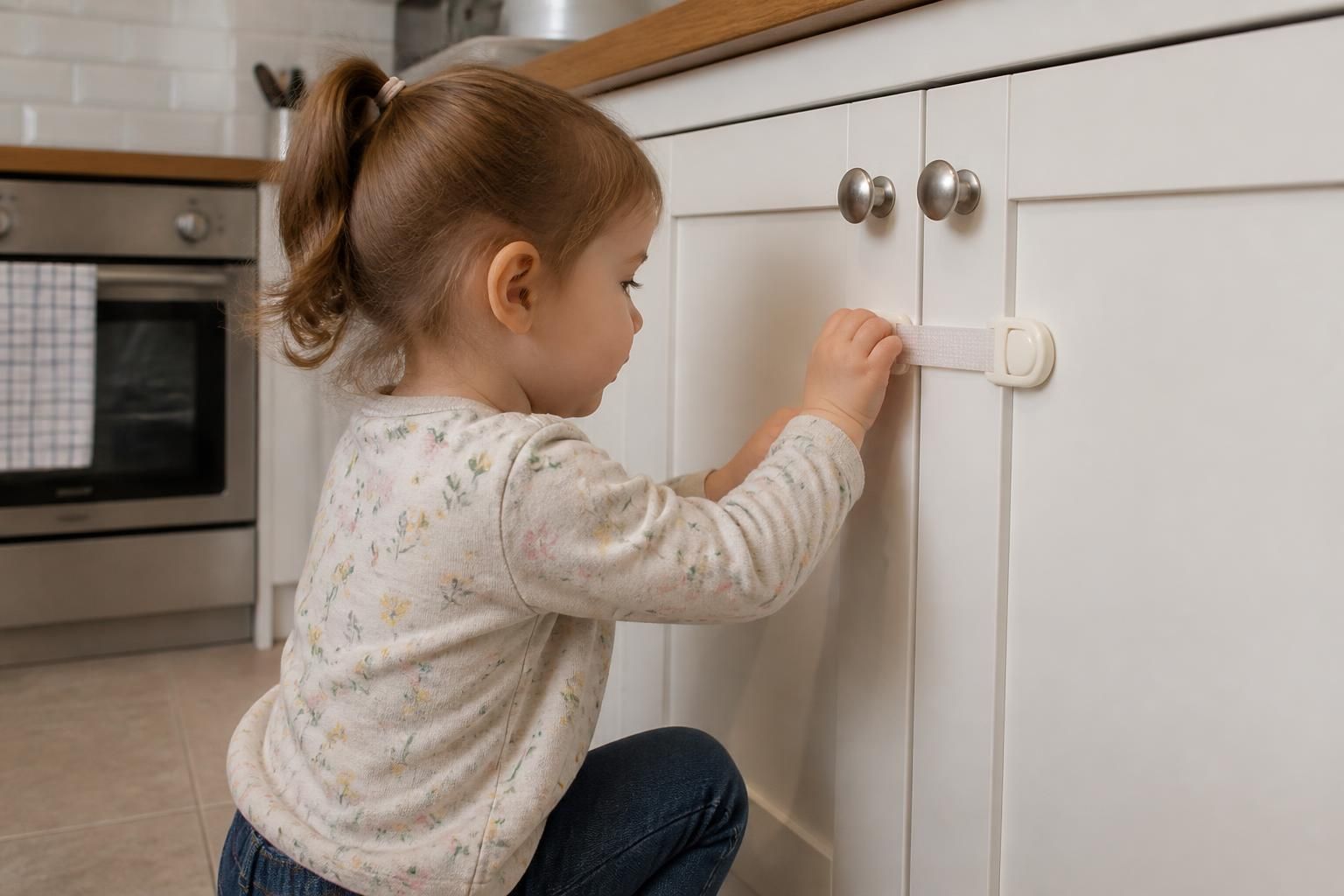
Do foster homes need childproof locks?
Foster homes do not automatically need childproof locks on every cupboard or door, but locks may be required where a child’s age, development or individual risks make access unsafe. Your fostering assessment should identify suitable precautions, such as securing medicines, cleaning products, sharp objects and other hazards, alongside appropriate supervision.
Partnering with an
Ofsted Outstanding Provider
Childproof locks are not a standard requirement for every foster home. They are a safety measure used when an assessment identifies that a particular cupboard, room, window or door presents a risk to the child or to others in the household. The appropriate arrangement depends on the child’s age, abilities, history, behaviour, health needs and level of understanding.
Areas that may need securing include:
- cupboards containing medicines, cleaning products, chemicals, alcohol or other harmful substances;
- drawers or rooms containing knives, tools, weapons or other sharp objects;
- cupboards containing matches, lighters or equipment that could cause a fire;
- utility areas, garages, sheds, workshops and boiler or plant rooms;
- windows, doors, gates or storage areas where unsupervised access could create a specific danger; and
- food or household products that may be unsafe for a child with particular dietary, sensory or behavioural needs.
Locks should be chosen for the risk they are controlling. A simple child-resistant catch may be appropriate for some kitchen or bathroom cupboards, while a stronger lock or restricted access may be needed for a garage, tool store or medicines cabinet. The aim is not to lock away everything a child uses, but to prevent access to identifiable hazards while allowing reasonable independence.
Consider the child’s individual circumstances. A toddler may need protection from ordinary household hazards because they are unable to understand danger. An older child may not need general cupboard locks but could require secure storage for medication, substances, technology or items connected with their care plan. A child with developmental delay, impulsive behaviour, trauma-related responses, limited danger awareness or a history of self-harm may need additional precautions. These arrangements should be based on the child’s assessed needs rather than assumptions about their age alone.
Locks must not replace supervision, explanation and good household routines. Children should be given information that is suitable for their age and understanding, and foster carers should know which areas require supervision. Frequently used hazardous items should be put away immediately after use rather than left on worktops or in unlocked bags. Visitors and other household members also need to follow the same arrangements.
Fire safety and escape routes need particular care. A lock must never prevent a child from leaving safely in an emergency or stop carers reaching them. Internal doors, bedroom doors and windows should not be secured in a way that creates an escape risk. Where a door, gate or window needs extra control, the arrangement should be discussed as part of the home safety and fire risk assessment. Any lock should be usable by the responsible adults without relying on a key that could be misplaced.
Safety equipment should also be fitted securely and checked regularly. Some adhesive catches can fail, and older children may learn how to open devices intended for younger children. Check locks after moving furniture, changing a child’s bedroom or introducing new equipment, and replace them if they are damaged or no longer suitable. Avoid improvised solutions that could create a trapping, climbing or escape hazard.
During the fostering assessment, your supervising social worker or assessing professional can help identify where additional controls may be needed. You may be advised to make changes before approval, or to put safeguards in place when a child’s matching information highlights a particular risk. Arrangements can be reviewed as the child develops, their circumstances change or the care plan is updated.
A practical preparation check is to walk through the home from the child’s perspective. Look at what they could reach, open, climb to or operate without supervision, including items stored in bedrooms, bathrooms, kitchens, sheds and vehicles. Secure specific hazards, keep escape routes clear, and record any arrangements that carers and household members must follow. This creates a proportionate safety plan rather than treating childproof locks as a universal requirement.
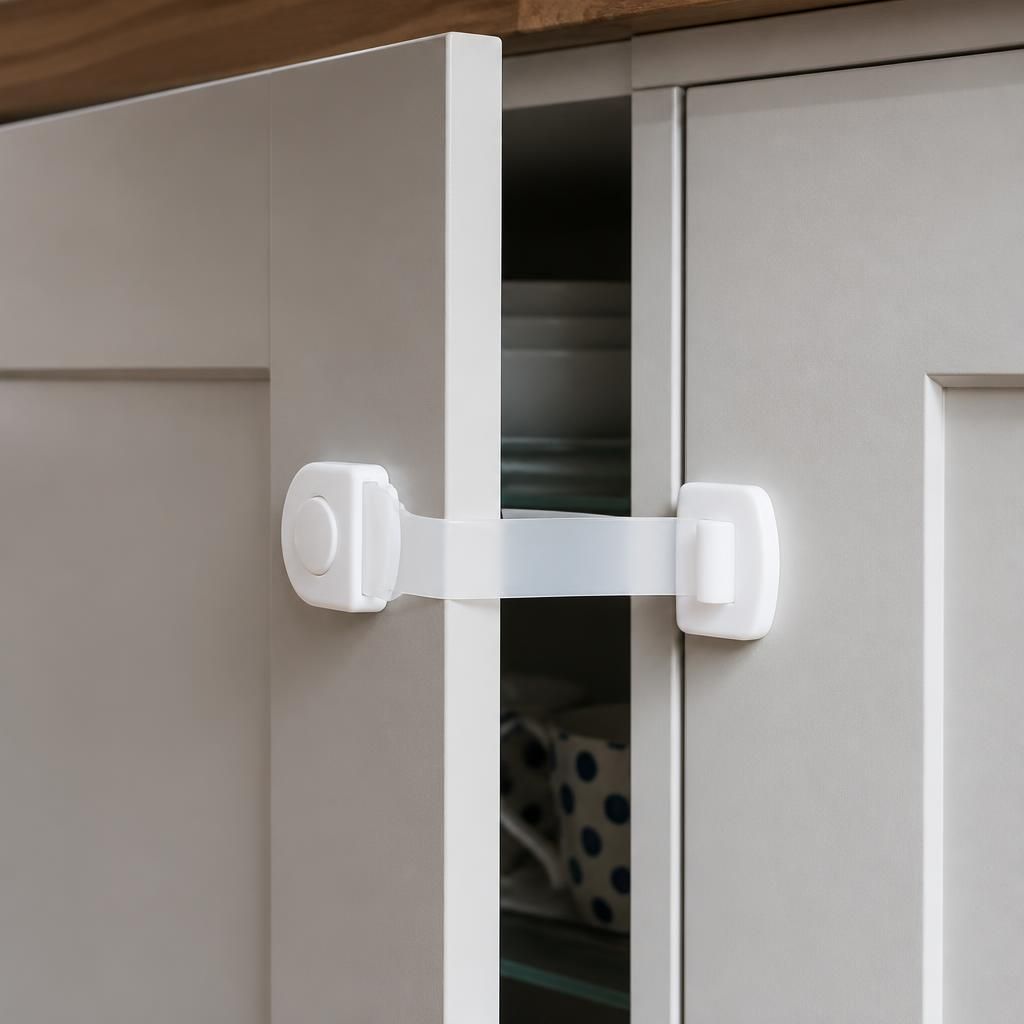
If you rent your home, check whether your landlord’s permission is needed before fitting childproof locks, window restrictors or replacement door hardware. Some devices require drilling or altering cupboards, frames or doors, and an unsuitable fitting may damage the property or fail to control the intended risk. Keep instructions for any safety equipment installed and tell your assessing professional about changes made as part of preparing the home.
Choose fittings that are appropriate for the surface and the child’s likely level of access. A device that is easy for adults to release but simple for a child to defeat will not provide effective protection, while an unnecessarily strong fitting may interfere with normal household use. The safety arrangement should remain practical for carers, household members and any professionals who need access to the area.
Ask About Preparing Your Home for Fostering
Ask our fostering team about preparing your home and discuss any safety changes that may be relevant to your circumstances. They can explain how home safety is considered during the fostering assessment.