
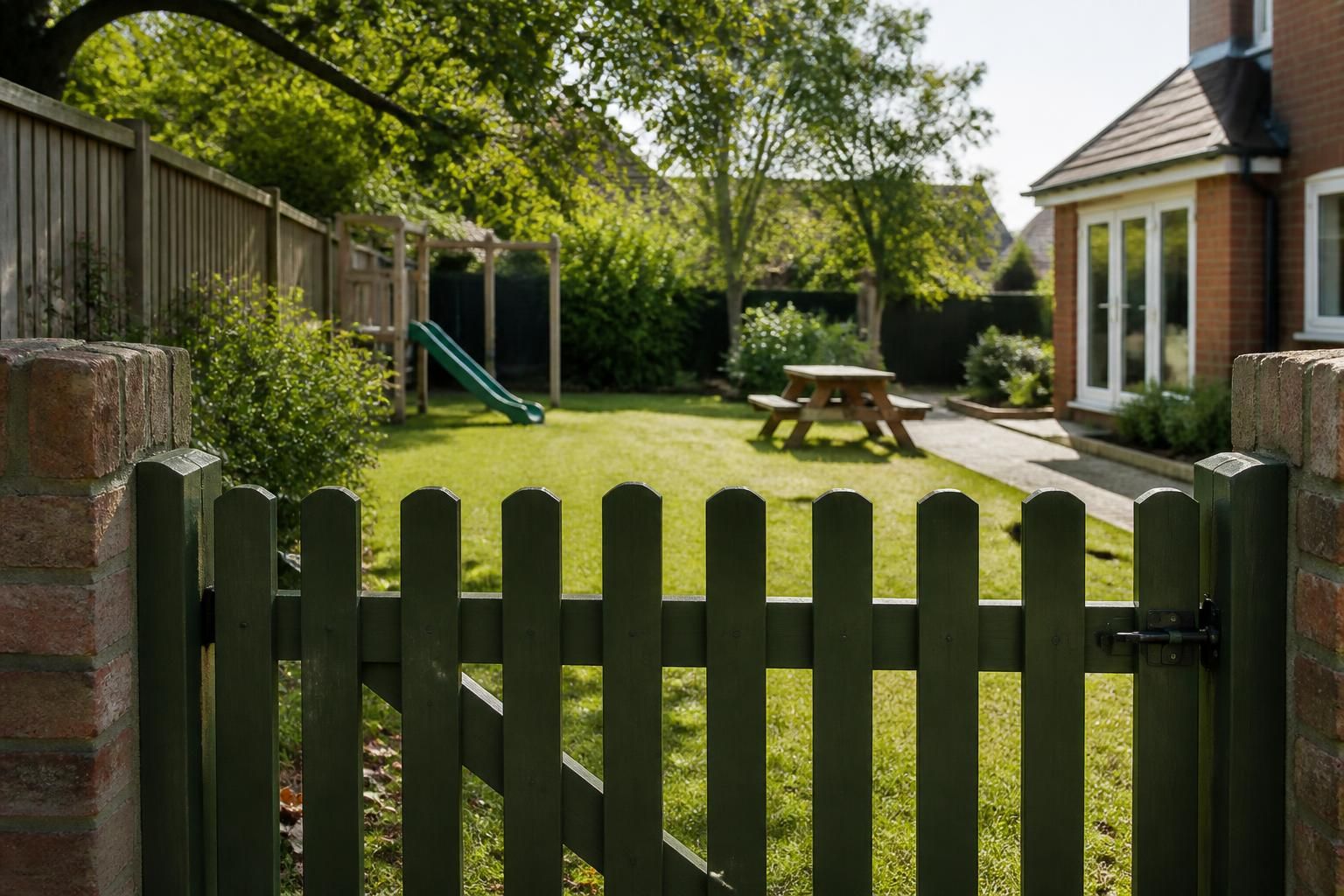
How are garden and outdoor areas assessed for foster care?
Garden and outdoor areas are assessed for hazards, secure boundaries, privacy, and whether they are suitable for the age and needs of a foster child. The assessment also considers how children will be supervised and whether risks such as ponds, sheds, play equipment, uneven surfaces or unsafe access can be managed.
Partnering with an
Ofsted Outstanding Provider
A garden assessment is a practical review of how a foster child could use the outdoor space and how adults would manage it as part of the safer caring arrangements. The assessor considers the condition and layout of the area, how it is accessed, who else may use it, and whether the proposed arrangements are appropriate for the child’s age, development and individual needs.
There is no requirement for a foster home to have a large or elaborate garden. A modest outdoor area, shared communal space or no private garden may still be suitable, provided there is a clear and realistic plan for outdoor play, exercise and supervision. The assessment looks at how the space will function in everyday family life rather than judging its appearance.
During the home visit, the assessor will usually discuss how the garden or other outdoor areas are used. This may include:
- which parts of the space a child could use independently and which would require an adult nearby;
- how supervision would be provided for children with different levels of understanding, impulsivity or mobility;
- whether the space is appropriate for play, relaxation, hobbies or contact with other children;
- how outdoor activities would be adapted for a child with physical, sensory or developmental needs;
- how visitors, neighbours and other household members might affect a child’s privacy and safeguarding;
- how outdoor items, tools, chemicals and equipment would be kept away from children who should not access them; and
- how the area would be maintained between visits and throughout a placement.
Shared or communal outdoor spaces receive particular attention because the foster family may not control who uses them. The assessor may explore how a child would be supervised, whether there are agreed household rules, and what arrangements would apply when other residents or members of the public are present. Driveways, paths, balconies and access routes may also be considered where a child could use them or where they form part of the route to the garden.
Any steps or improvements identified during the assessment should be discussed openly. These might involve repairing worn surfaces, improving lighting, relocating stored items, providing suitable outdoor furniture or agreeing clearer supervision arrangements. The aim is not necessarily to complete every improvement before an application can progress, but the agency will need to be satisfied that identified issues can be addressed and managed responsibly.
The child’s individual circumstances are important. A young child may need closer supervision than an older child, while a child with additional needs may require changes to the way the space is used. A child who has experienced neglect, exploitation or trauma may also need carefully planned boundaries around outdoor activities and contact with others. These matters can be reflected in the child’s safer caring plan and placement plan rather than being dealt with through the garden alone.
Foster carers should tell the assessor about any changes that may affect outdoor safety, such as alterations to the property, new equipment or a change in the child’s needs. Garden and outdoor arrangements can be reviewed during supervision visits and wider fostering reviews, particularly when a new child is placed. Keeping the area maintained and reporting concerns promptly helps demonstrate that the arrangements remain suitable over time.
Before the assessment, walk around all outdoor areas with a child’s viewpoint in mind. Check what a child could reach, climb, open, move or misuse, consider how supervision would work in practice, and note anything that needs repair or secure storage. Being prepared to discuss these points gives the assessor a clear understanding of how the space would be managed within the foster home.
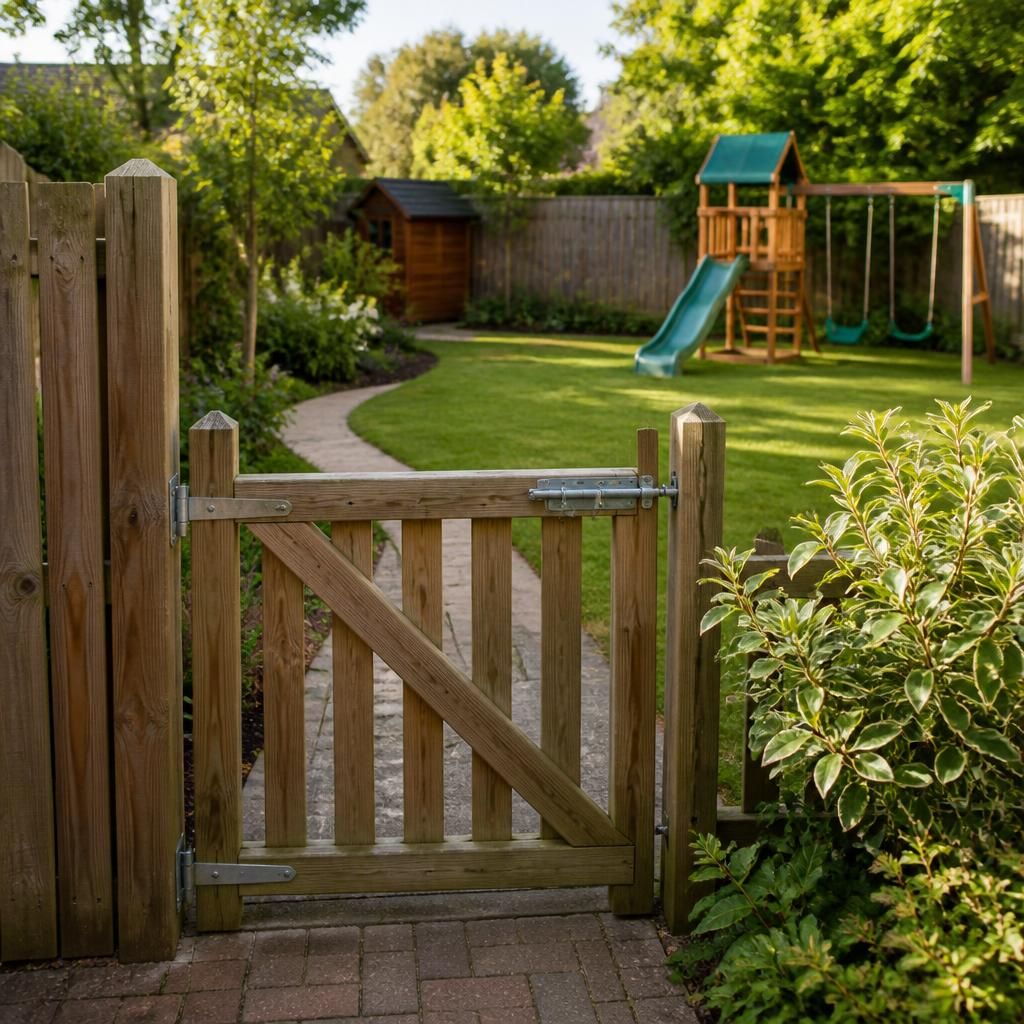
For rented properties or communal outdoor areas, the assessment also considers who is responsible for maintaining the space and making safety improvements. Foster carers should be clear about whether repairs, boundary work, lighting or changes to access require permission from a landlord, housing provider or managing agent.
It is helpful to bring any relevant tenancy conditions or communal-space rules to the discussion. Where carers cannot alter the area themselves, the assessor will consider whether the available arrangements still provide a practical way to manage identified risks and support the child’s safe use of the outdoor space.
Ask About Your Garden and Outdoor Assessment
If you are considering fostering and want to understand how your garden or outdoor areas would be assessed, speak to our fostering team about your circumstances. They can explain the next steps and help you prepare for the home assessment.