
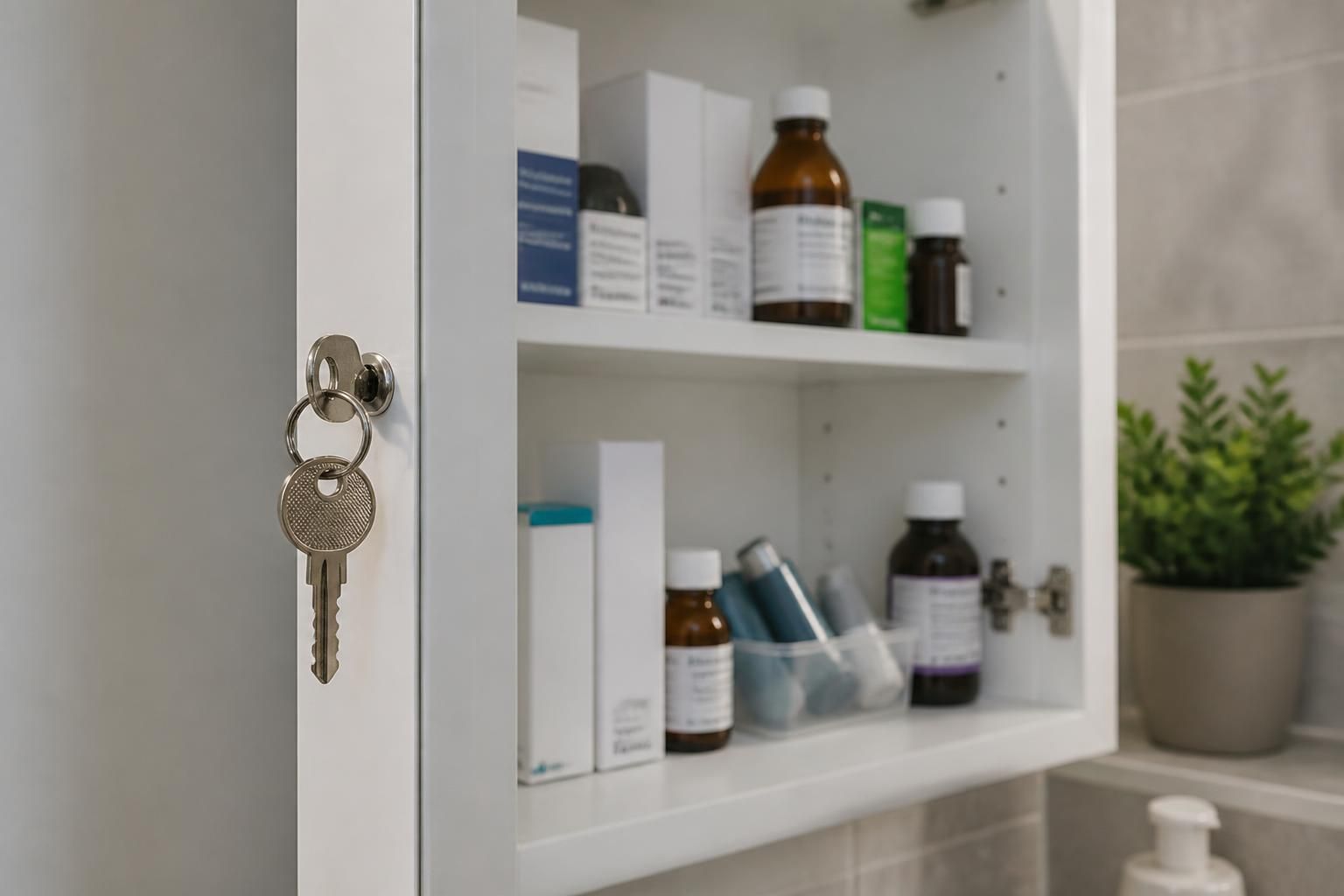
How should medicines be stored in a foster home?
Medicines in a foster home should be kept in a secure, locked place that children cannot access, with the key or access code controlled by the responsible adult. Keep each medicine in its original packaging, follow the prescribing instructions and care plan, and store it according to the label, including any refrigeration requirements.
Partnering with an
Ofsted Outstanding Provider
Safe medicine management involves more than putting medicines away. Foster carers should consider who may need access, how each item is used, what risks it presents and how its use will be recorded. The arrangements should be agreed with the child’s care team and reflected in the child’s health plan, placement plan and any relevant risk assessment.
Consider the child’s individual needs. A child’s age, understanding, behaviour, medical condition and history will affect how medicines are managed. Some children may search for tablets, mistake liquid medicine for a drink, conceal medicines or take more than the prescribed amount. Others may need support to take medicine safely. Carers should not assume that a child who appears mature can manage medication independently; this should be assessed and agreed with the professionals responsible for their care.
Keep access arrangements consistent. All adults in the household should know the agreed procedure, including what to do if a key is lost, a medicine is missing or a child asks to take medicine without supervision. Household visitors, babysitters and other people providing care should not be given access unless this has been properly agreed. Children should also be prevented from accessing medicines kept in bags, coat pockets, bedside areas or vehicles.
Separate medicines where this reduces risk. A foster child’s medicines should be distinguishable from those belonging to other members of the household. This helps prevent mix-ups, particularly where names, packaging or doses are similar. Medicines should not be transferred into unlabelled containers, and loose tablets should not be left in drawers or pockets.
Some medicines need additional precautions:
- Liquid medicines should be measured with the supplied oral syringe, spoon or other appropriate device rather than an ordinary kitchen spoon.
- Medicines requiring refrigeration should be kept in accordance with their instructions, with access to the refrigerator controlled and the medicine protected from contamination.
- Creams, ointments, patches and medicated toiletries should be treated as medicines, even if they are applied to the skin rather than swallowed.
- Controlled drugs or medicines with a particular misuse risk may require enhanced recording and storage arrangements under the child’s care plan and local procedures.
- Emergency medicines, such as prescribed rescue medication, must be available promptly to the responsible adult while still being protected from unsupervised access. The agreed location and response procedure should be clear to every carer.
Follow the administration procedure. Before giving a medicine, the carer should check that it is intended for the child, confirm the prescribed dose and timing, and follow the instructions in the care documentation. A carer should never alter a dose, crush a tablet, mix medicine into food or drink, or give an over-the-counter product without the appropriate advice and consent. If a dose is refused, vomited, forgotten or given incorrectly, the carer should follow the agreed procedure and seek advice from the relevant health professional or care team.
Medication records should be completed accurately after each administration, including the date, time, medicine, dose and the name or signature of the person who gave it. The record should also show refusals, omissions, errors and any relevant reaction, rather than leaving unexplained gaps. This information supports safe handovers and helps professionals identify concerns or changes in the child’s health.
Review the supply regularly. Carers should check that medicines are within their expiry date, that labels remain readable and that there is enough supply for the agreed treatment period. Expired, discontinued or unwanted medicines should not be kept “just in case” or put down a sink or toilet. They should be dealt with through a pharmacy or other disposal route advised by the prescribing or health team. Any missing medicine, damaged packaging or unexplained change in quantity should be reported promptly in line with the placement procedures.
Medicine storage is normally considered as part of the wider foster home safety assessment. The assessing social worker may discuss the location, access controls, arrangements for refrigerated or emergency medicines, record keeping and how other household members are protected. Carers should raise any uncertainty before a placement begins and whenever a child’s prescription, health needs or level of independence changes.
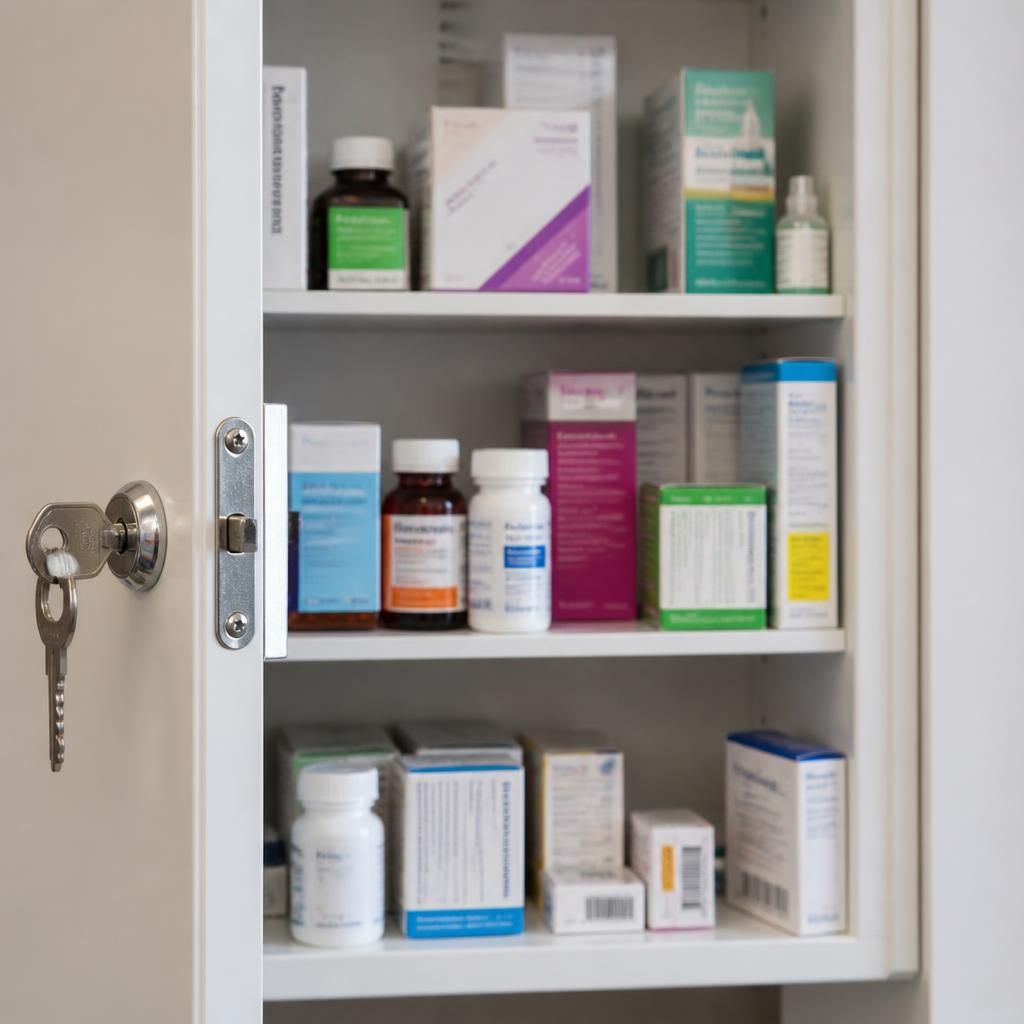
The storage location should also protect medicines from heat, moisture and direct sunlight. Avoid window ledges, radiators and bathrooms unless the instructions specifically require otherwise, as changes in temperature or humidity can affect some medicines. Use the packaging guidance for items needing cool, dark or refrigerated conditions, and check with a pharmacist if the instructions are unclear.
Discuss safe medicine storage in your foster home
If you are considering fostering, discuss your proposed medicine-storage arrangements with the fostering team during your assessment. They can help you identify any points that need to be addressed before a placement begins.