
What fire safety checks are needed in a foster home?
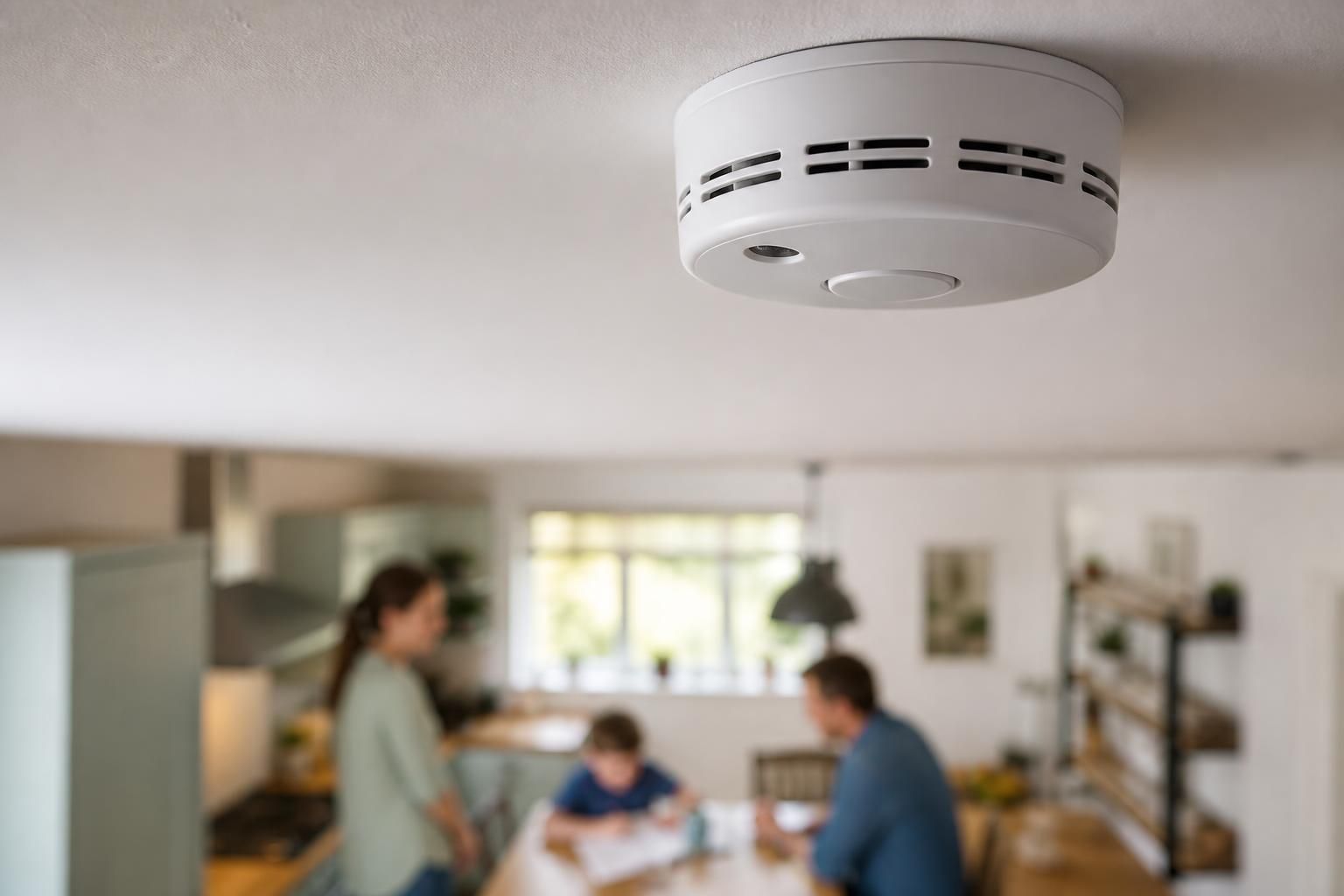
Fire safety checks in a foster home typically assess smoke and carbon monoxide alarms, escape routes, fire doors, heating and electrical safety, and the safe storage of matches, lighters and flammable materials. The assessment also considers whether everyone in the household, including the foster child, could evacuate safely and whether suitable fire safety equipment and an emergency plan are in place.
Partnering with an
Ofsted Outstanding Provider
Fire safety checks in a foster home are usually a documented, room-by-room assessment of the property, its occupants and the arrangements for preventing and responding to a fire. The fostering service will consider whether the home meets relevant safety standards, whether risks have been properly controlled and whether the arrangements are suitable for the particular child or young person being considered.
The assessment normally covers the following areas:
- Condition of the property: Inspectors look for damage, defects or alterations that could increase fire risk, including poorly maintained fixtures, blocked ventilation and unsafe storage areas.
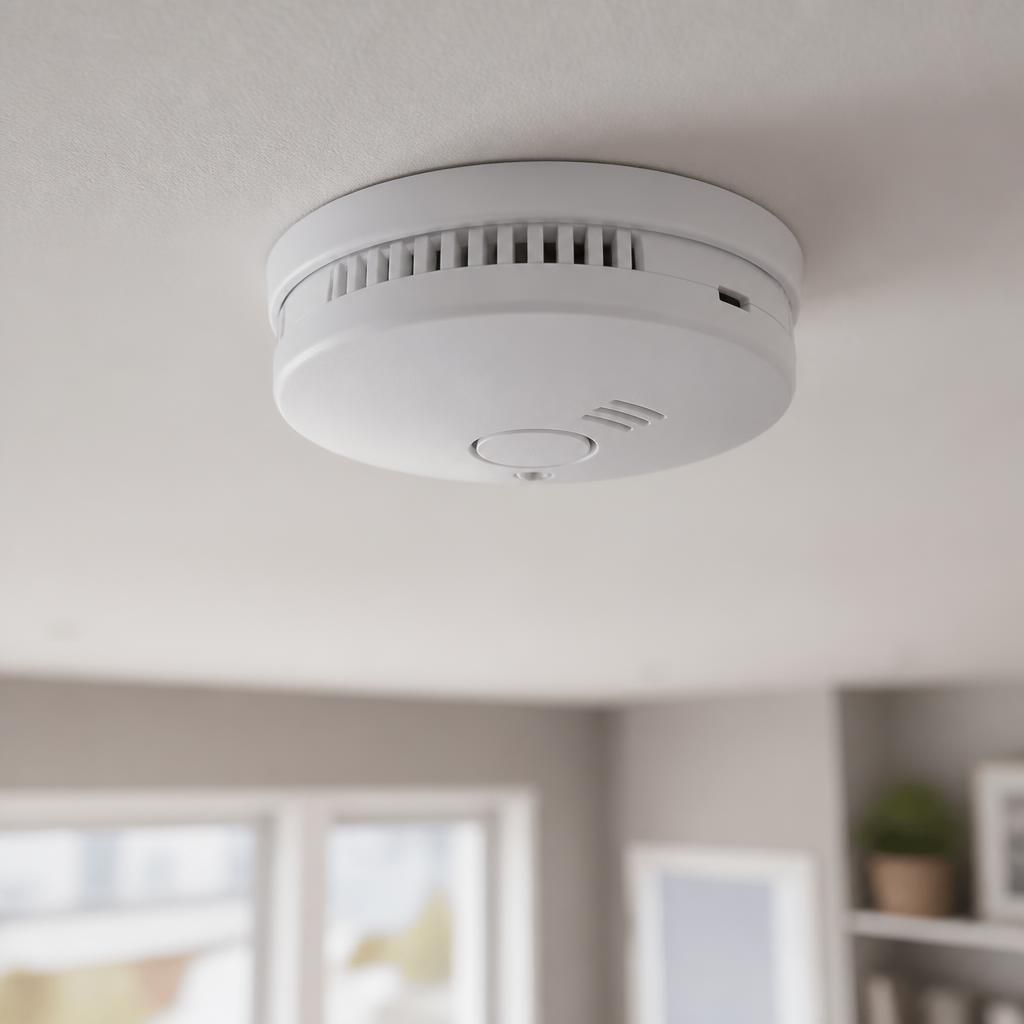
- Detection and warning arrangements: The location, condition and operation of alarms are checked. Depending on the property and the fostering service’s requirements, alarms may need to be interlinked so that a warning is heard throughout the home. Test buttons should be accessible and testing records should be kept.
- Electrical and gas documentation: Relevant inspection and servicing records may be requested, particularly for rented properties or homes with gas appliances. Any certificates should be current, and identified faults should be addressed rather than left until the fostering assessment is complete.
- Household routines: The assessor considers how the family uses the home, including charging devices, using candles, smoking, cooking and storing combustible items. The focus is on actual household behaviour as well as the condition of the building.
- Individual needs: A child’s age, mobility, medical needs, communication needs, sleep pattern and understanding of danger can all affect the risk assessment. A child who may not wake easily, needs assistance to move or is prone to leaving their room may require additional controls.
Checks of records and maintenance are an important part of the process. Keep evidence of alarm tests, appliance servicing, remedial work and any professional inspections in an organised place. For a rented home, speak to the landlord or managing agent about documents that they are responsible for providing. The foster carer remains responsible for reporting concerns and following the fostering service’s household safety procedures.
The assessor may also ask how the household would respond if an alarm sounded. Everyone living in the home should understand their role, including children already in the household, and the arrangements should be explained in a way that is appropriate for the foster child. Practical rehearsal can identify problems that are not obvious during a visual inspection, such as difficulty hearing an alarm from a bedroom or uncertainty about who should help a child.
Any fire safety arrangements must take account of the child’s bedroom and the way the home is occupied at night. This does not mean applying a single checklist without thought: the fostering service may recommend extra safeguards when a child’s behaviour, disability or developmental stage creates a particular risk. Those safeguards should be proportionate, recorded and reviewed as the child’s needs change.
Fire safety is usually checked before approval and revisited when there is a significant change. A review may be needed after building work, a change in household members, the arrival of new equipment, a move to another property or a change in the child’s assessed needs. Report faults promptly and do not make alterations that could affect safety without checking whether the fostering service needs to be informed.
Before an assessment, prospective foster carers can make the process easier by:
- checking that alarms operate correctly and recording regular tests;
- gathering available gas, electrical and servicing documents;
- removing unnecessary combustible storage from circulation areas and near heat sources;
- making sure household members understand the agreed safety arrangements;
- telling the assessing social worker about any mobility, medical or behavioural needs that could affect evacuation; and
- asking the fostering service which checks it expects the household to arrange and which it organises itself.
If an assessor identifies a problem, it does not automatically mean that a fostering application cannot proceed. The issue will normally be discussed, recorded and given an appropriate action, such as repair, replacement, better storage or a change to household practice. The home needs to be safe for the child who may be placed there, and the fostering service will explain what must be completed before approval or placement.
Fire safety checks also examine whether escape routes and fire-resisting doors would work in practice during an emergency. Corridors, stairways and exits should be kept clear, while doors on the route should open correctly, close properly and not be routinely wedged open. The assessor may look for damage, unsuitable alterations or storage that could allow smoke and fire to spread more quickly.
Security measures should not prevent a safe escape. Exit doors, window openings and any required keys or fasteners need to be usable by the people who may need them, without creating an additional risk for a child. The arrangement should take account of the child’s age, understanding, mobility and sleeping location. Where a particular room or floor presents extra difficulty, the fostering service may recommend a specific evacuation arrangement or additional precautions.
Discuss your foster home’s fire safety requirements
If you are considering fostering, speak to our fostering team about the fire safety requirements for your home and the next steps in the assessment process.