
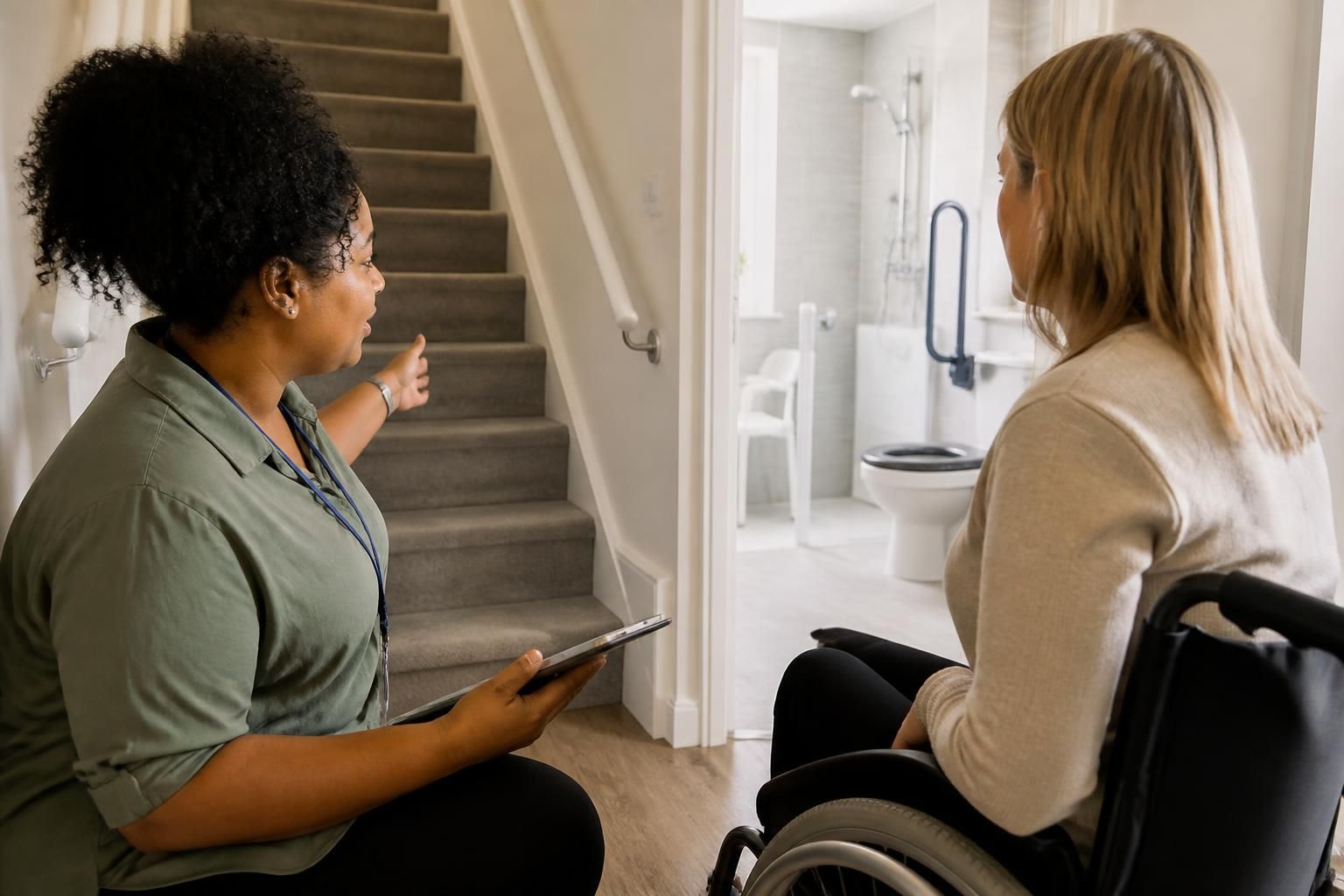
How are accessibility needs assessed under foster home requirements?
Accessibility needs are assessed by considering the child’s likely mobility, sensory, medical and developmental needs alongside the layout and safety of your home. The assessment identifies any reasonable adaptations, equipment or additional safety measures needed, and whether the home can provide suitable care for that child.
Partnering with an
Ofsted Outstanding Provider
Accessibility is assessed as part of the wider fostering assessment, with the focus on whether your home can safely meet the needs of a particular child. It is not a requirement for every foster home to have identical features, and an accessibility need does not automatically prevent someone from fostering. The assessment considers the child’s circumstances, the practical features of the property and any changes that may be needed.
What is considered during the assessment?
A social worker and other relevant professionals will look at how a child would move around and use the home. This may include:
- the entrance, paths, steps, stairs and internal doorways;
- whether essential rooms can be reached safely and easily;
- floor surfaces, lighting, handrails and potential trip hazards;
- bathroom access, bathing arrangements and toilet facilities;
- space for mobility equipment, specialist furniture or other aids;
- the location and safe storage of medicines, care equipment and personal items; and
- how the layout affects privacy, supervision, evacuation and day-to-day family life.
The assessment may also consider sensory accessibility. For example, a child with visual or hearing needs may require changes to lighting, signage, alarms, communication arrangements or the positioning of furniture. A child with a developmental, behavioural or medical need may require a predictable layout, additional supervision or a low-stimulation space. The relevant issue is whether the home can be used safely and comfortably by the child, rather than whether it meets a single universal design.
How are adaptations identified?
Potential adaptations are considered against the child’s assessed needs and the level of care required. Some changes may be straightforward, such as improving lighting, securing loose rugs, fitting stair gates or rearranging furniture to create a clear route. Other situations may require professional advice about ramps, rails, accessible bathing facilities, specialist beds or equipment.
You may be asked to provide information about the property, including photographs, plans or details of existing adaptations. A health professional, occupational therapist, fire-safety adviser or another specialist may contribute where the child’s needs call for specific expertise. Any recommendation should be proportionate to the proposed placement and based on identified risks, not assumptions about disability.
What happens if work is needed?
If an adaptation is considered necessary, it should be discussed before a child is placed. The fostering service can explain what needs to be done, who should approve the work and whether specialist equipment or further assessment is required. You should not make substantial alterations or purchase expensive equipment on the assumption that it will be required or funded; agree the proposed approach with the fostering service first.
If you rent your home, permission from your landlord may be needed for structural work or permanent fixtures. The property must remain suitable for everyone living there, including existing children and adults. Adaptations should not create new hazards, restrict emergency escape routes or compromise the safety of other household members.
How does accessibility affect matching?
Approval to foster does not mean that every child will be suitable for your household. Matching considers the child’s mobility, communication, health, personal care and supervision needs alongside your home, skills and available support. A home may be suitable for one child but not for another whose needs require different facilities. This is a normal part of safe placement planning.
Before accepting a placement, you should be given relevant information about the child’s needs and any accessibility requirements that affect daily care. Ask for clarification if you are unsure how a child will enter the home, use the bathroom, sleep, move between rooms, access the garden or leave the property in an emergency. Training and guidance can help you understand the practical aspects of care, but they do not replace a properly considered assessment of the home.
Are accessibility needs reviewed?
Yes. A child’s needs can change, and a home may change through renovation, a house move, new household members or changes in the health of someone living there. Accessibility should therefore be revisited when circumstances change and as part of ongoing fostering supervision and review arrangements. Tell your fostering service about relevant changes so that risks, equipment and support can be reconsidered.
The most useful approach is to discuss accessibility openly during your assessment. Explain any existing adaptations, limitations or concerns, and provide accurate information about the property. This allows the fostering team to identify suitable options, record any conditions attached to approval and establish whether the home can meet a child’s needs safely in practice.
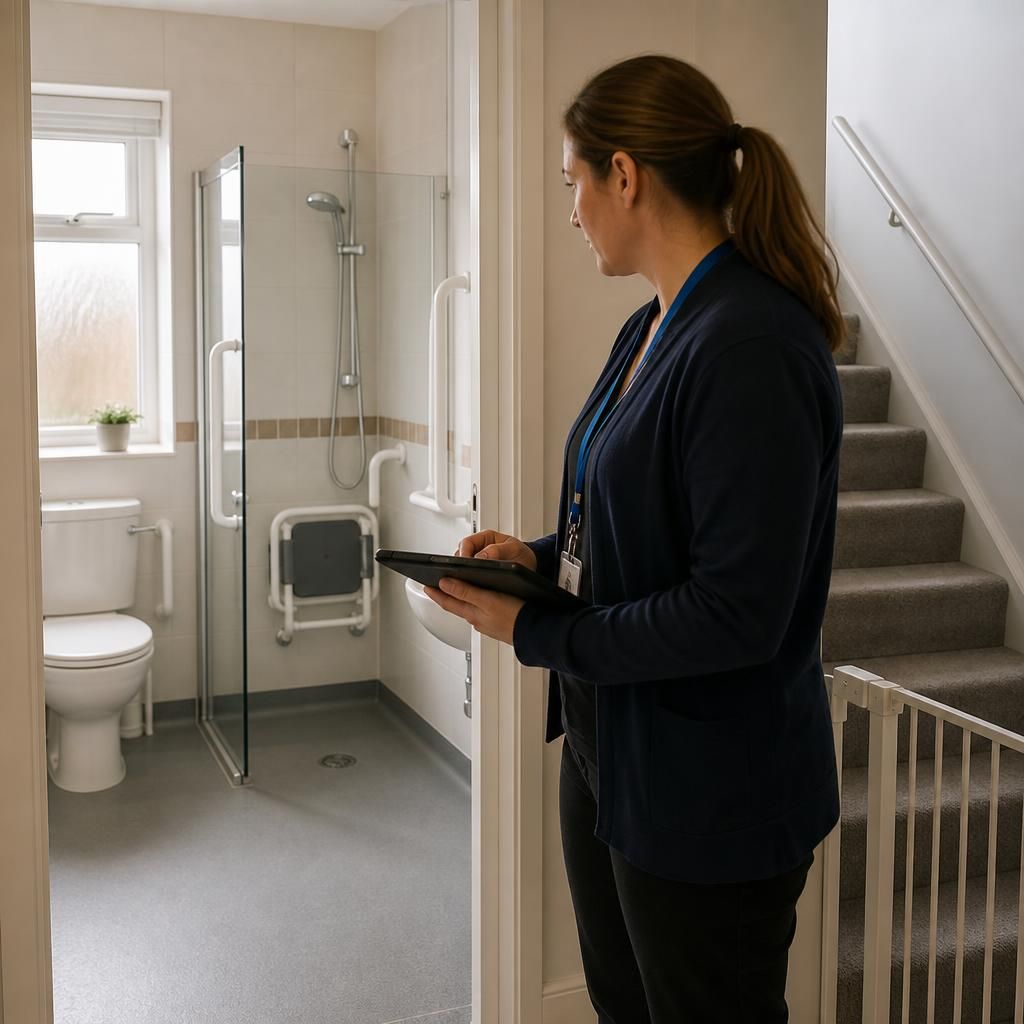
Accessibility also means considering a child’s independence, dignity and participation in everyday life. The assessment may look at whether they can reach their bedroom, belongings, bathroom, outdoor space and family areas with an appropriate level of assistance, while having privacy for personal care and routines.
This helps the fostering team understand the practical impact of the home’s layout, rather than focusing only on entrances or equipment. A suitable arrangement should support the child to take part in family life as far as their abilities allow, with agreed care arrangements where assistance is needed.
Discuss your accessibility needs with our fostering team
If you are considering fostering and want to understand how your circumstances may be considered, discuss your questions with our fostering team. They can explain the next steps in the assessment process and what information to prepare.