

Are there health requirements for becoming a foster parent?
There is no requirement to be in perfect health to become a foster parent, but your health must allow you to provide safe, consistent care. As part of the assessment, you will complete a medical assessment so any physical or mental health conditions can be considered individually in relation to fostering.
Partnering with an
Ofsted Outstanding Provider
Health requirements are assessed individually as part of the fostering process. The focus is whether your health, treatment and day-to-day abilities are compatible with the practical and emotional demands of caring for a child, including meeting their needs consistently and responding safely in an emergency.
Your medical information is considered in context. The assessment will normally involve consent for information to be obtained from your GP or another appropriate healthcare professional. This may include your medical history, current conditions, medication, treatment, hospital admissions and any specialist support you receive. You may also be asked how your health affects activities such as sleeping, mobility, stamina, concentration and managing stress.
Long-term health conditions do not automatically prevent someone from fostering. Conditions such as diabetes, asthma, arthritis, chronic pain or other disabilities are considered by looking at their actual impact on your ability to care. The assessment may consider how well a condition is managed, whether it is stable, what support is available and whether reasonable adjustments or practical arrangements would help you carry out fostering duties safely.
Mental health is considered in the same careful and individual way. A history of anxiety, depression, trauma or other mental health difficulties is not, by itself, an automatic reason for rejection. The relevant questions may include how your wellbeing is currently managed, whether you have appropriate professional support, how you cope with pressure and whether caring for a child with additional needs could affect your health.
The assessment is about safety and suitability, not a search for perfect medical records. Some circumstances may need closer consideration, including an unstable or deteriorating condition, serious illness, significant limitations in daily functioning, untreated substance dependence or difficulties that could affect supervision and reliability. If concerns arise, the fostering service may seek further medical evidence or advice rather than making an immediate decision.
Your health is considered alongside the needs of the children you may care for. Fostering can involve appointments, school or contact arrangements, emotional reassurance, changes in routine and responding to behaviour that may be challenging. The assessment therefore considers whether you have the physical and emotional capacity for the type of fostering being explored. It may also consider the health and support needs of other people living in your household, where these could affect fostering arrangements.
Be open about your health during the application. Leaving out relevant information can make the assessment more difficult and may create problems later if a condition affects your ability to foster. Providing accurate information allows the fostering service to understand your circumstances properly, identify any support or adjustments that may be needed and consider which types of placement would be appropriate.
The medical stage can involve:
- completing a health questionnaire and providing consent for relevant medical information to be reviewed;
- discussing current and previous physical or mental health conditions;
- listing medication, treatment, counselling or other support;
- providing additional reports where a specialist opinion is needed; and
- considering whether your health could affect particular types of placement or fostering tasks.
Health information is handled as confidential personal information and is used for the fostering assessment. You should ask the fostering team how your information will be collected, stored and shared, particularly if you have concerns about sensitive medical details.
Health circumstances can change after approval. You should tell your fostering service about significant changes to your health, new treatment or a diagnosis that may affect your caring role. This is not necessarily a reason for approval to end; it allows the service to review what support, adjustments or placement arrangements may be suitable and to keep the child’s care safe.
If you are unsure whether a particular condition, disability, medication or period of poor mental health will affect your application, discuss it with the fostering team before assuming you cannot foster. The relevant question is how your circumstances relate to the responsibilities of fostering, based on appropriate medical information and the needs of the child.
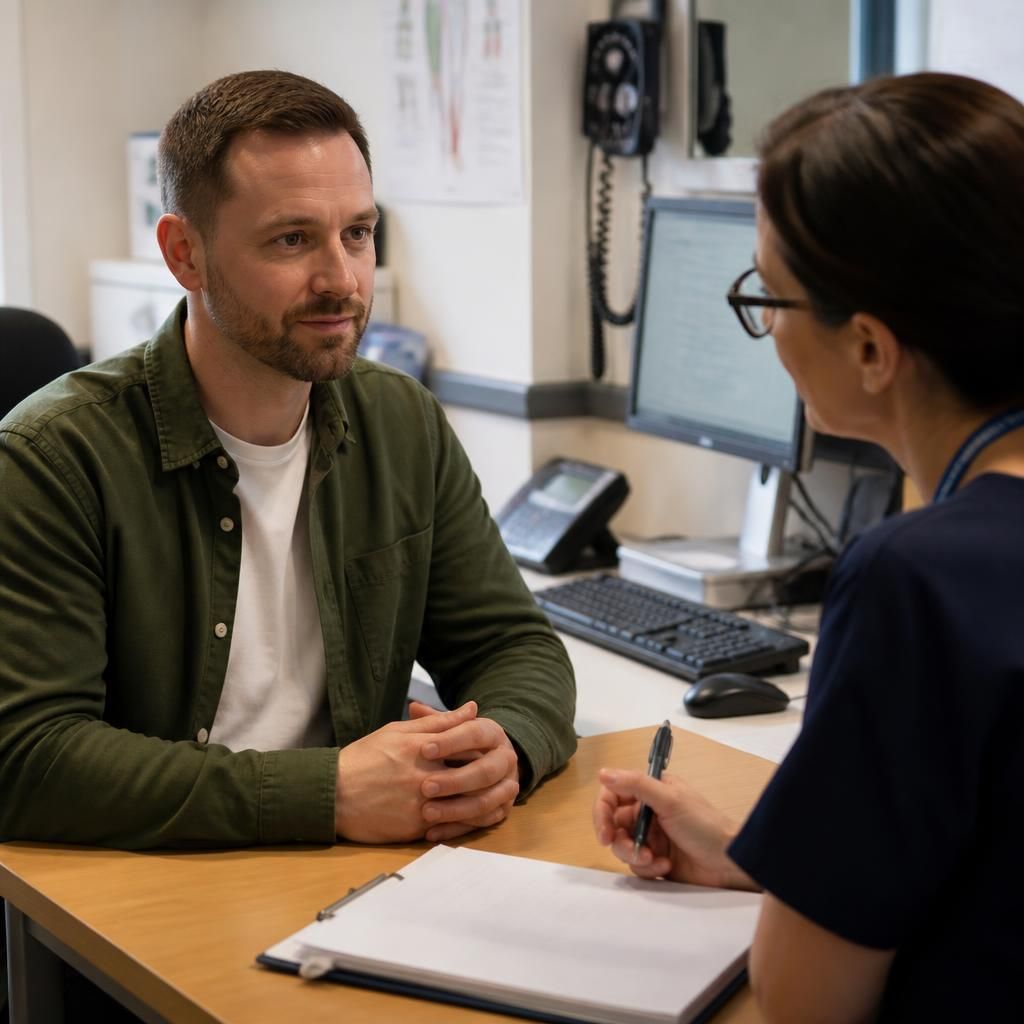
Preparing for the medical assessment can help ensure that your health is considered accurately and in context. Before completing the paperwork, make a note of your current medication, treatment appointments, relevant diagnoses and any practical support you use in daily life.
- Check that you can describe how your health affects your normal routine, including sleep, energy, movement and concentration.
- Be ready to explain any periods of absence from work, hospital treatment or changes in medication if they are relevant to your current wellbeing.
- Tell the fostering team about adjustments that help you manage safely, such as mobility equipment, flexible routines or support from another adult.
- Ask questions if you are unsure why particular medical information is needed or how it relates to the fostering assessment.
It can also be useful to consider the type of fostering arrangement that may fit your circumstances. A transparent discussion allows the assessing team to identify any practical safeguards before approval is considered, rather than relying on assumptions about a diagnosis or disability.
Discuss your health and fostering with our team
If you have questions about your circumstances and fostering, speak to our team before deciding whether to apply. We can explain the next steps and help you understand what information may be needed.