

How old do you have to be to become a foster parent?
You usually need to be at least 21 years old to become a foster parent, and there is generally no upper age limit. Your assessment will also consider your health, circumstances, experience and ability to provide safe, consistent care for a child or young person.
Partnering with an
Ofsted Outstanding Provider
The minimum age requirement normally needs to be met before you can be approved as a foster carer, rather than being treated as a target to reach after applying. Fostering services consider this alongside your maturity, circumstances and ability to meet the needs of a child or young person.
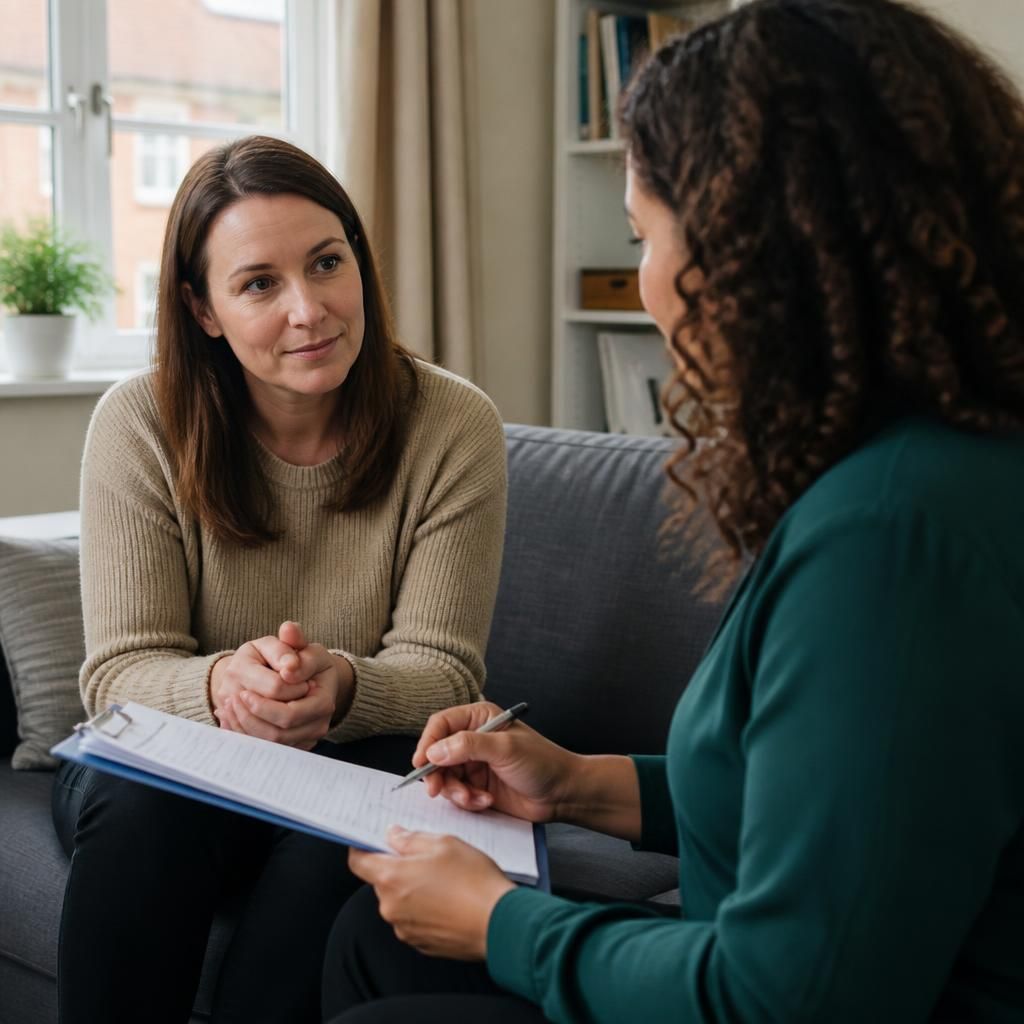
Age is not assessed in isolation. During the fostering assessment, you may be asked about your relationships, home life, employment, health, previous experience and reasons for wanting to foster. The important issue is whether you can provide reliable care, work with professionals and respond appropriately to the individual needs of a child.
There is a difference between making an initial enquiry and becoming approved. You can ask questions and discuss your circumstances before starting an application. The fostering service will explain its eligibility requirements and whether your circumstances are suitable for assessment. If you proceed, the process usually includes:
- An initial discussion: You provide information about yourself and your household, and the fostering team explains the role and expectations.
- Pre-assessment checks: The service considers matters such as identity, household members, health, references and relevant background checks.
- Training: You complete preparation training covering safer caring, safeguarding, behaviour, attachment, communication and working with the child’s wider network.
- A full assessment: A social worker explores your experience, support network, motivation and ability to provide consistent care.
- A decision on approval: The completed assessment is considered through the fostering service’s approval process, which determines whether you can foster and what type of placements may be suitable.
For couples, both adults will be involved in the assessment, even if one person expects to take the main caring role. The service needs to understand how you make decisions, manage responsibilities and support one another. Other adults and children in the household may also be included in discussions because fostering affects everyone living in the home.
Being older does not automatically prevent someone from fostering, just as being close to the minimum age does not guarantee approval. A younger applicant may need to demonstrate sufficient life experience, stability and understanding of the demands involved. An older applicant may be asked how they will manage the practical aspects of caring and maintain the energy and resilience required. These are individual considerations rather than an automatic pass or fail based solely on age.
Your health will be discussed with you and considered by a medical professional as part of the assessment. This is not intended to make assumptions based on age. Instead, the focus is on whether you can safely and consistently meet a child’s needs, including the demands of appointments, routines, school involvement and emotional support.
If you are approaching the minimum age, it is still useful to seek advice early. The fostering team can explain which stages you can begin, what documents may be needed and whether waiting until you reach the required age would affect the timing of your application. Requirements can vary between fostering services, so confirm the precise position with the service you are considering.
Foster carers receive preparation, guidance and ongoing support throughout the fostering journey. Financial support may also be available, with the amount depending on factors such as the fostering service, the child’s needs and the type of placement. These arrangements should be explained clearly before you make a decision.
In short, meeting the age requirement is the starting point, not the whole eligibility decision. Approval depends on the wider assessment of your suitability, household and capacity to provide safe, stable and nurturing care.
The minimum age requirement applies to the person being assessed as a foster carer. If you are applying as part of a couple, the fostering service will clarify whether one or both adults will be approved carers, depending on how your household plans to share the role.
A partner who is not applying to become an approved foster carer will still be considered as part of the household. Their views, relationship with the applicant and understanding of fostering may be discussed because these factors can affect the stability of the home and the support available to a child.
Discuss your eligibility to become a foster parent
If you are unsure whether your age and circumstances meet the requirements, contact our fostering team to discuss your eligibility and the next steps towards becoming a foster parent.