
Can not having a spare bedroom disqualify me from becoming a foster parent?
Not necessarily, but most foster children need their own bedroom, so having no spare room can affect which placements you can offer. Limited exceptions may apply, such as certain sibling arrangements, and the fostering service will assess your available space, household and the child’s individual needs.
Partnering with an
Ofsted Outstanding Provider
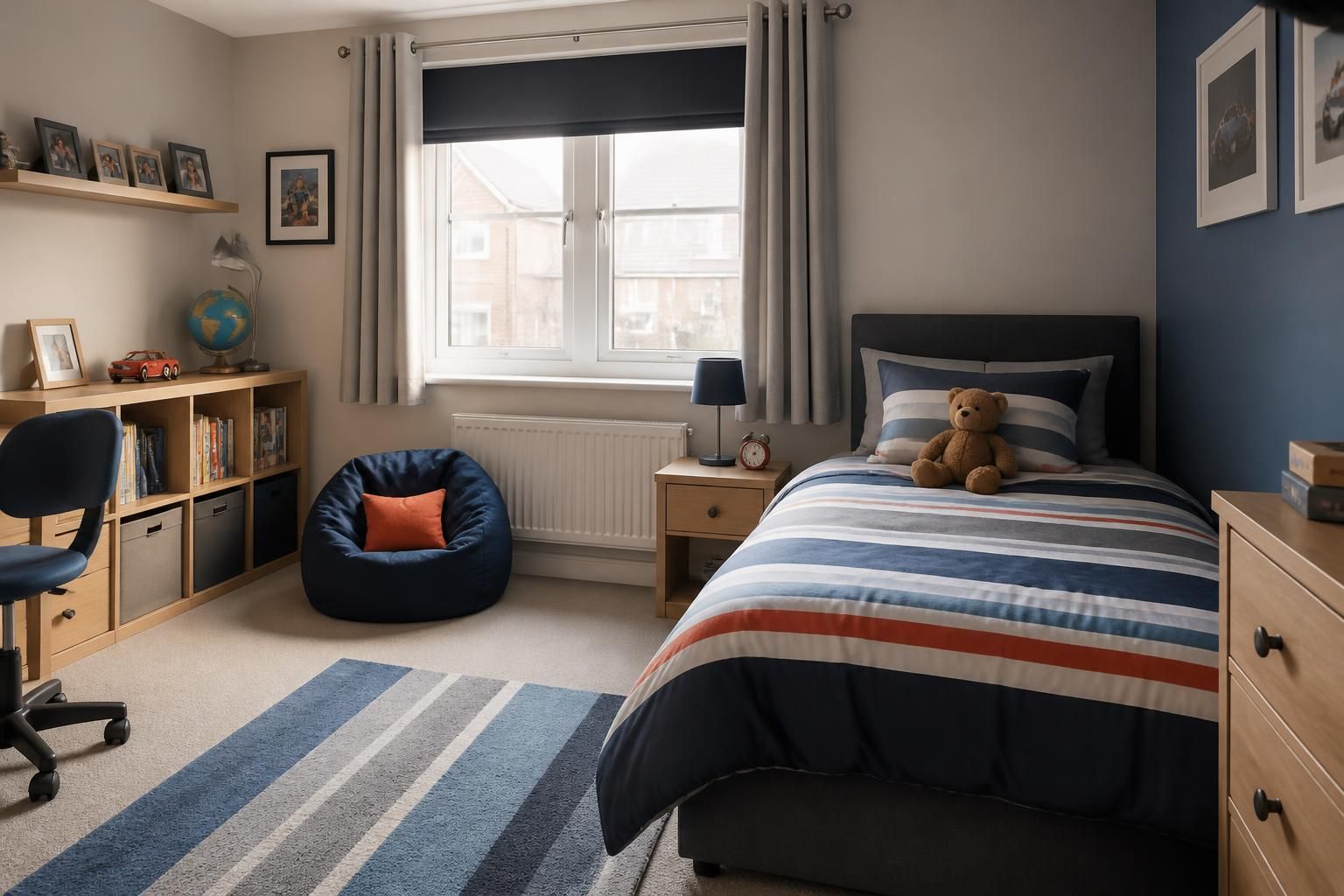
Not having a spare bedroom does not automatically prevent you from applying to foster, but it can affect whether you are able to be approved and which children you could care for. In most circumstances, a foster child aged over three should have their own bedroom, furnished and arranged as a suitable private space. The fostering service will consider the layout of your home alongside the child’s age, needs, relationships and safety.
A living room, dining room, study or other shared area will not normally be accepted as a child’s permanent bedroom. The space must provide privacy, suitable sleeping arrangements, storage for belongings and a safe environment. It should also be accessible if the child has mobility or other additional needs. A bedroom does not necessarily need to be large, but it must be appropriate for the child who may be placed there.
There are limited circumstances in which bedroom-sharing may be considered. These can include some sibling placements or children who are very young, but this is not an automatic exception. The arrangement would need to be considered carefully and supported by an individual risk assessment. Factors may include:
- the children’s ages, sex, development and relationship with one another;
- whether either child has particular vulnerabilities, behaviours or safeguarding needs;
- whether both children have enough personal space and privacy;
- the likely duration and type of placement; and
- whether the arrangement remains suitable if the children’s needs change.
Bedroom-sharing with a foster carer’s own child is generally treated differently from sharing between siblings who are being placed together. Safeguarding, privacy and the impact on every child in the household must be considered. A fostering service may decide that a proposed arrangement is unsuitable even where the room appears physically adequate.
If you are considering fostering but do not currently have a spare room, it is still sensible to discuss your circumstances before assuming that you cannot apply. You may be planning to move, convert an existing room or change how your home is used. Any proposed alteration would need to be completed and assessed as suitable before a child was placed there. If you rent your home, you may also need permission from your landlord, and the property must not become overcrowded.
During the assessment, the fostering service will normally look at the whole household and home rather than relying on a simple bedroom checklist. This may include a home visit, consideration of sleeping arrangements, household routines, pets, privacy, fire safety and any practical restrictions. The assessment also considers what type of placement would fit your household, rather than treating every fostering situation as identical.
Having a spare bedroom does not by itself guarantee approval. You will still need to complete the usual assessment, checks, references, health information and preparation training. Equally, lacking a spare room at the point you enquire does not necessarily end the conversation. A fostering professional can explain what would need to change, whether any carefully assessed exception could apply and how the available space may affect the type of approval sought.
Before applying, measure the room you might offer, consider who would use it, and think about whether it provides genuine privacy and storage. Be open about your current arrangements and any planned changes. Become a Foster Family can provide guidance about the assessment process, training, financial support and ongoing assistance, helping you understand whether your home can meet fostering requirements.
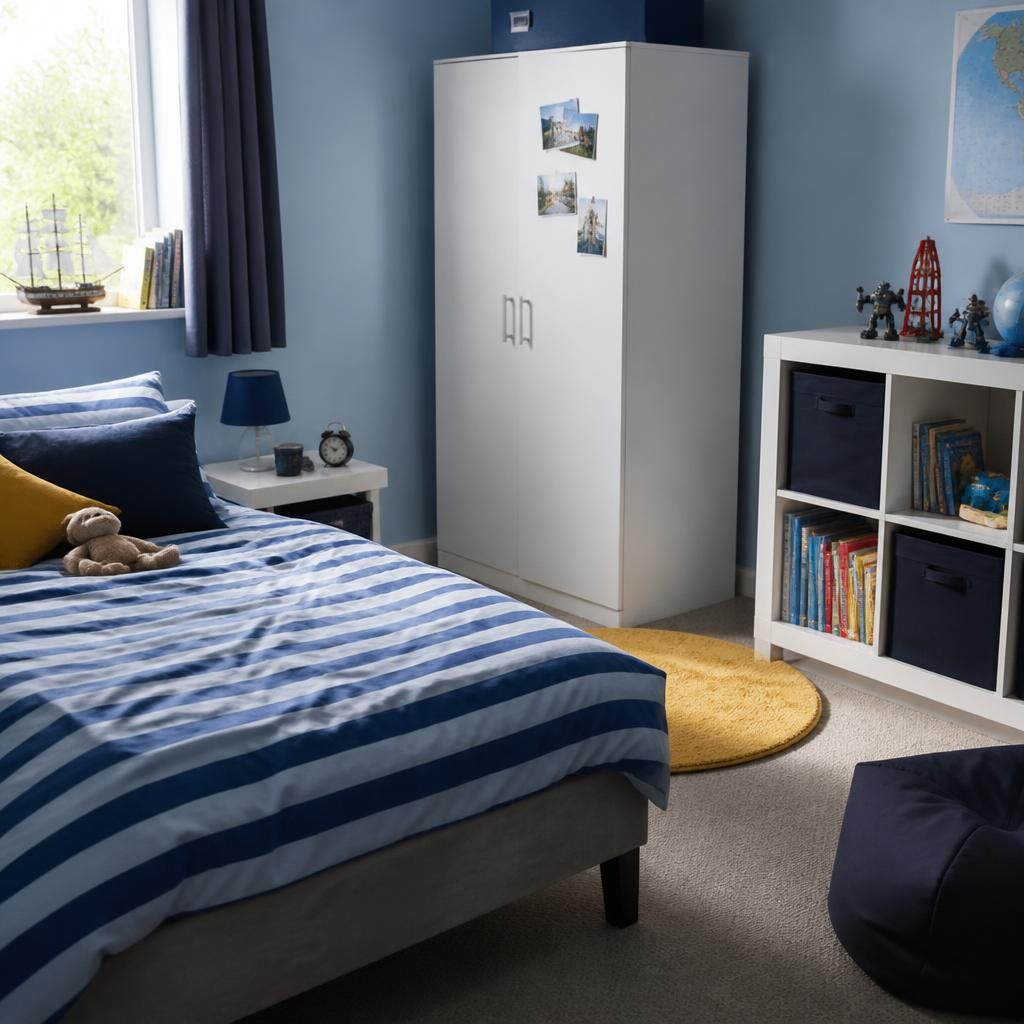
Bedroom suitability is not permanent: it can be reconsidered if the household changes or a child’s circumstances develop. For example, a new household member, a room being used for another purpose, or changing care needs may affect whether the arrangement remains appropriate.
Foster carers should discuss any proposed change to sleeping arrangements with their fostering service before making it. This allows the service to consider privacy, safety and the child’s welfare, rather than treating the presence of a bed as the only requirement.
Discuss your bedroom options with a fostering expert
Speak to a fostering expert about your household circumstances and the next steps for assessing your available space. They can help you understand whether your current arrangements are suitable before you decide whether to apply.