
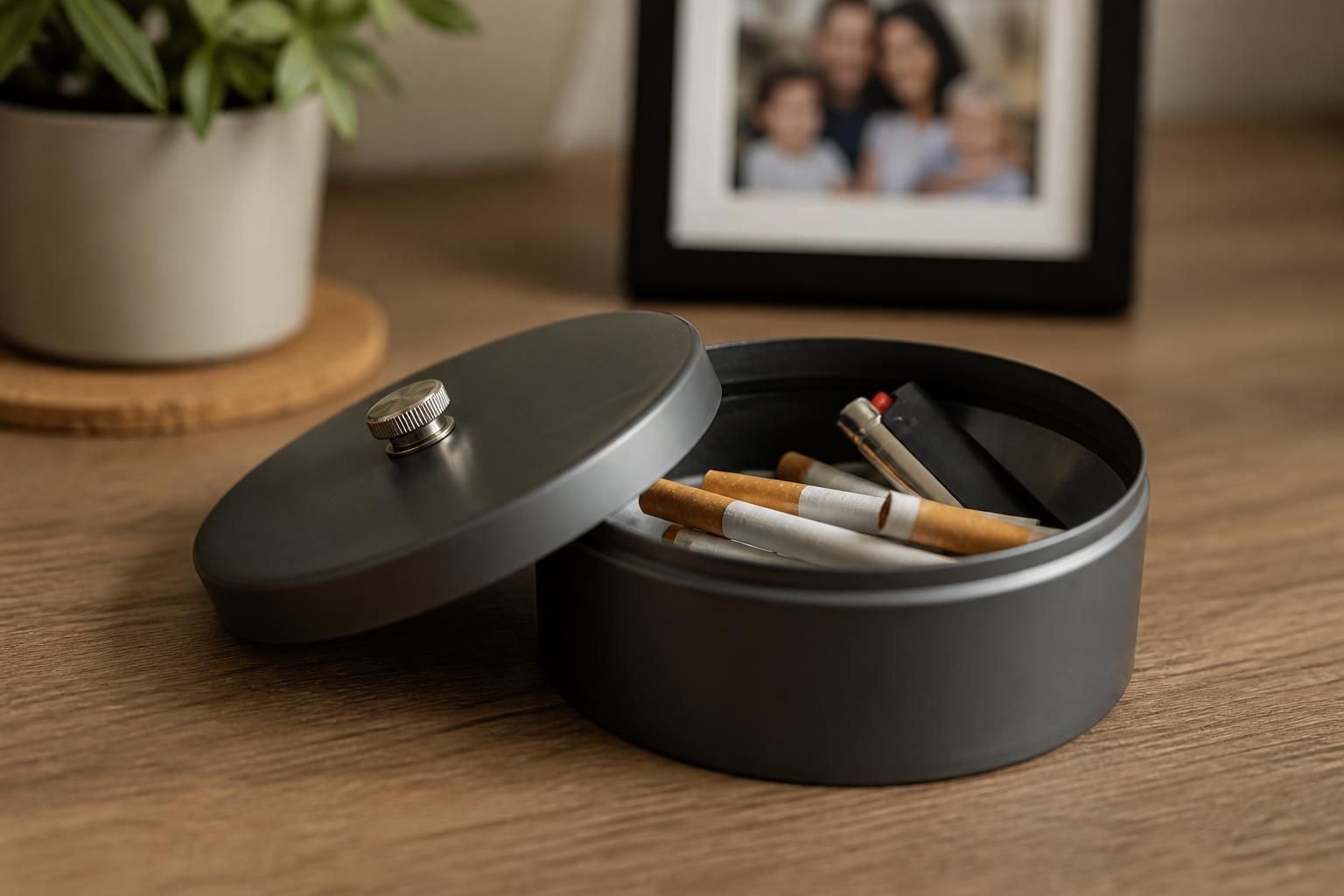
Can smoking in the household disqualify me from becoming a foster parent?
Smoking in the household does not automatically disqualify you from becoming a foster parent, but it is an important health and safeguarding factor in your assessment. You must disclose who smokes, where smoking takes place and the steps you will take to protect children from tobacco smoke; this may affect your approval or which placements are suitable.
Partnering with an
Ofsted Outstanding Provider
Smoking will usually be considered a safeguarding and health risk rather than an automatic bar to fostering. The assessment will look at who smokes, what is smoked, where it happens, whether smoke can enter the home or vehicle, and whether the household can follow the restrictions needed to protect a child.
Foster children may have asthma, respiratory problems, developmental needs or heightened sensitivity to risks in the home. Some may also have experienced neglect or unsafe environments connected with smoking. For that reason, fostering services must consider both second-hand smoke and the wider safety implications of cigarettes, tobacco products, lighters and ashtrays.
You should give complete and accurate information during your initial enquiry and assessment. This normally includes:
- which members of the household smoke or vape;
- whether smoking happens inside the property, in a garden, on a balcony or in a vehicle;
- how cigarettes, vapes, tobacco, lighters and matches are stored;
- whether visitors smoke at the property;
- any relevant health conditions affecting household members; and
- what changes you are prepared to make before a child is placed with you.
Trying to conceal smoking can raise more concern than the smoking itself because fostering depends on openness and safe-care planning. The assessing social worker will discuss your circumstances, explain the relevant expectations and record how risks will be managed.
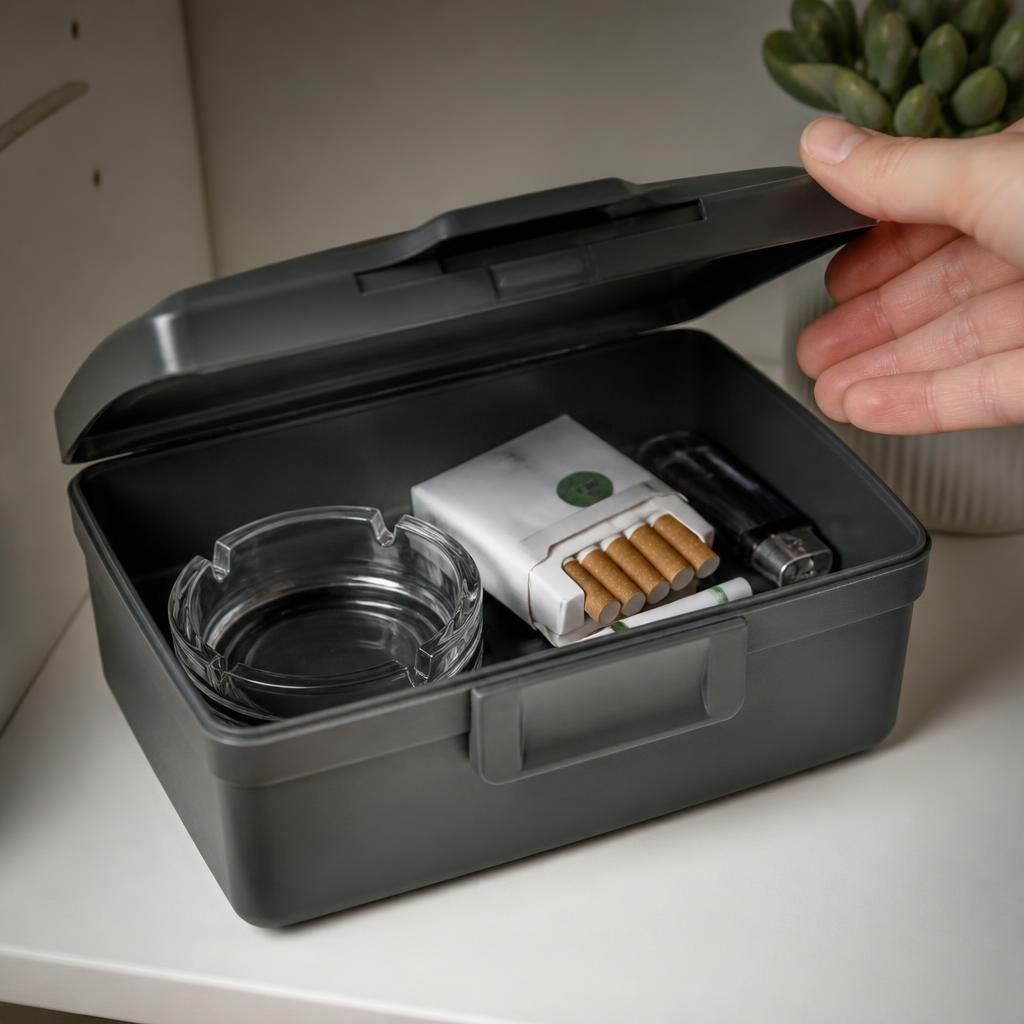
In most cases, smoking should not take place in the home or in a vehicle used by a foster child. Smoking outside does not remove every risk, as smoke can remain on clothing, skin, hair, furniture and other surfaces. A fostering service may therefore expect smokers to keep smoking materials securely out of reach, wash their hands, avoid smoking close to doors and windows, and prevent smoke-contaminated clothing from coming into contact with a child. Children should never be asked to handle cigarettes, ashtrays or other smoking equipment.
Vaping may be treated differently from tobacco smoking in some policies, but it is not automatically risk-free. E-liquids can be poisonous if swallowed or absorbed through the skin, and devices and refills must be stored securely. Follow the specific guidance given by your fostering service rather than assuming that vaping is permitted indoors or around children.
The age and health of a child can affect the decision. A household member who smokes may be unable to foster a baby, a child under a particular age, or a child with asthma or another respiratory condition, depending on the fostering service’s policy and the advice of the child’s medical professionals. This does not necessarily prevent the household from being considered for every placement, but it may affect which placements are appropriate.
During the assessment, the social worker may consider practical arrangements such as:
- where smoking takes place and how far it is from doors, windows and outdoor play areas;
- whether there is a completely smoke-free room for the child;
- how the household will manage smoking when supervising a child;
- whether a smoker can comply consistently with the agreed safer-care arrangements;
- how smoking will be managed by relatives, friends and other visitors; and
- whether the household’s car and any other transport used for fostering are smoke-free.
Your health assessment may also consider the effect of smoking on your own health and your ability to meet the needs of a child. This is not a judgement about you as a person. It is part of checking that fostering will be safe and sustainable, particularly if you have a condition affected by smoking or if caring responsibilities may make stopping difficult.
Stopping smoking before applying can simplify the assessment and remove some placement restrictions, but you should not assume that you must have stopped before making an enquiry. If you want to quit, speak to your GP, pharmacist or an NHS smoking cessation service. Any plan to reduce or stop should be realistic and evidenced by consistent changes in the household’s behaviour.
If smoking is identified as a concern, the fostering service may agree a written risk-management plan. This could include a smoke-free home and car, secure storage, rules for visitors, supervision arrangements and restrictions on the age or medical needs of children considered for placement. These arrangements should be understood by everyone in the household and reviewed if circumstances change.
Smoking alone is therefore unlikely to provide a complete answer about approval. The important issue is whether you can demonstrate that children will not be exposed to avoidable smoke or smoking-related hazards, and that you will follow the fostering service’s policy consistently. Ask the fostering service handling your application for its current rules, particularly if you smoke, vape, live with someone who smokes or are considering fostering a very young child.
Smoking may affect the type of approval or placement considered rather than ending the assessment altogether. If you are approved, the fostering service may take the child’s individual health needs into account when deciding whether a particular placement is suitable. A restriction linked to smoking should be treated as part of your fostering responsibilities, not as an optional recommendation.
Everyone in the household must understand and follow the agreed arrangements, including adults who do not smoke. If circumstances change—for example, someone starts smoking, a child develops respiratory difficulties, or the household moves home—the situation should be discussed with the fostering service so that the safer-care arrangements can be reviewed.
Talk to Us About Smoking and Fostering
Contact our fostering team to discuss your household’s circumstances and understand how smoking or vaping may be considered during your application. We can explain the next steps and what information to prepare for your assessment.