

Can I become a foster parent if I have a disability?
Yes. Having a disability does not automatically prevent you from becoming a foster parent; during the assessment, your health, abilities and any reasonable adjustments will be considered in relation to the needs of the children you may foster.
Partnering with an
Ofsted Outstanding Provider
The key issue is not whether you have a disability, but whether you can provide safe, consistent and suitable care for a child, with appropriate support or reasonable adjustments where needed. Your circumstances will be considered individually against the needs of the children you may be approved to foster.
Disability can include physical impairments, sensory impairments, long-term health conditions, neurodivergence and mental health conditions. A condition that is well managed should not be treated in the same way as a condition that currently affects your ability to carry out essential caring responsibilities. The assessment focuses on what you can do, the support available to you and any practical arrangements that would help you foster safely.
As part of the assessment, you will usually need to complete a medical assessment with your GP or another appropriate health professional. This helps the fostering service understand how your health may affect daily care, managing appointments, responding to a child’s needs, maintaining routines and coping with the demands of fostering. The purpose is not to expect you to have perfect health. It is to identify any relevant risks, limitations or support requirements before a decision is made.
You should be open about your disability and any treatment, medication, aids or adaptations you use. Providing accurate information allows the assessing social worker and medical adviser to consider your application properly. They may ask how your condition affects you in practice, whether it fluctuates, what happens during periods when you are unwell and what arrangements are available if you temporarily need additional help.
Reasonable adjustments may be considered during the application and assessment process. These could include accessible venues, additional time, information in a suitable format, communication support or changes to how meetings are arranged. Adjustments may also be relevant once you are approved, for example in relation to training, supervision, transport or the physical layout of your home.
The assessment will also consider whether your home and daily routines are suitable for fostering. This might include:
- whether you can meet a child’s personal care, emotional and practical needs;
- whether your home can be used safely and comfortably by a child with different abilities;
- how you would manage school, health and other appointments;
- what support you have from a partner, family member, friend or professional service, where relevant;
- how you would respond in an emergency or during a period when your condition becomes more difficult to manage; and
- whether the specific needs of a child can be matched safely with your abilities and circumstances.
Having a disability may give you useful personal insight into accessibility, communication, difference or the experience of relying on support. However, this does not mean you would be expected to use your own experience as a substitute for training or professional advice. Every child is different, and approval depends on whether the proposed fostering role is suitable for both you and the child.
The fostering assessment normally includes discussions with you and other members of your household, checks of your circumstances, references, safeguarding checks, preparation training and a written assessment for consideration by a fostering panel or decision-maker. Your health information is considered as part of this wider process rather than in isolation. You should have the opportunity to explain your circumstances, provide relevant evidence and discuss how any identified concerns could be managed.
If you receive disability-related benefits or other support, ask the fostering service how fostering payments could interact with your personal circumstances. Benefit rules can depend on the type of payment and your individual situation, so obtain current advice before making financial decisions. Fostering allowances and other payments should also be discussed during the application process, although they are not a replacement for specialist benefits advice.
A disability does not guarantee approval, just as being non-disabled does not guarantee approval. The decision is based on the full assessment, safeguarding considerations, the needs you could meet and whether any risks can be managed appropriately. If your circumstances change, you should tell your fostering service so that support and placement arrangements can be reviewed.
If you are considering applying, an initial conversation with the fostering team can help you understand the medical assessment, possible adjustments and the types of placements that may be appropriate. You can ask questions about confidentiality, evidence required, support available and how your individual circumstances would be considered before deciding whether to proceed.
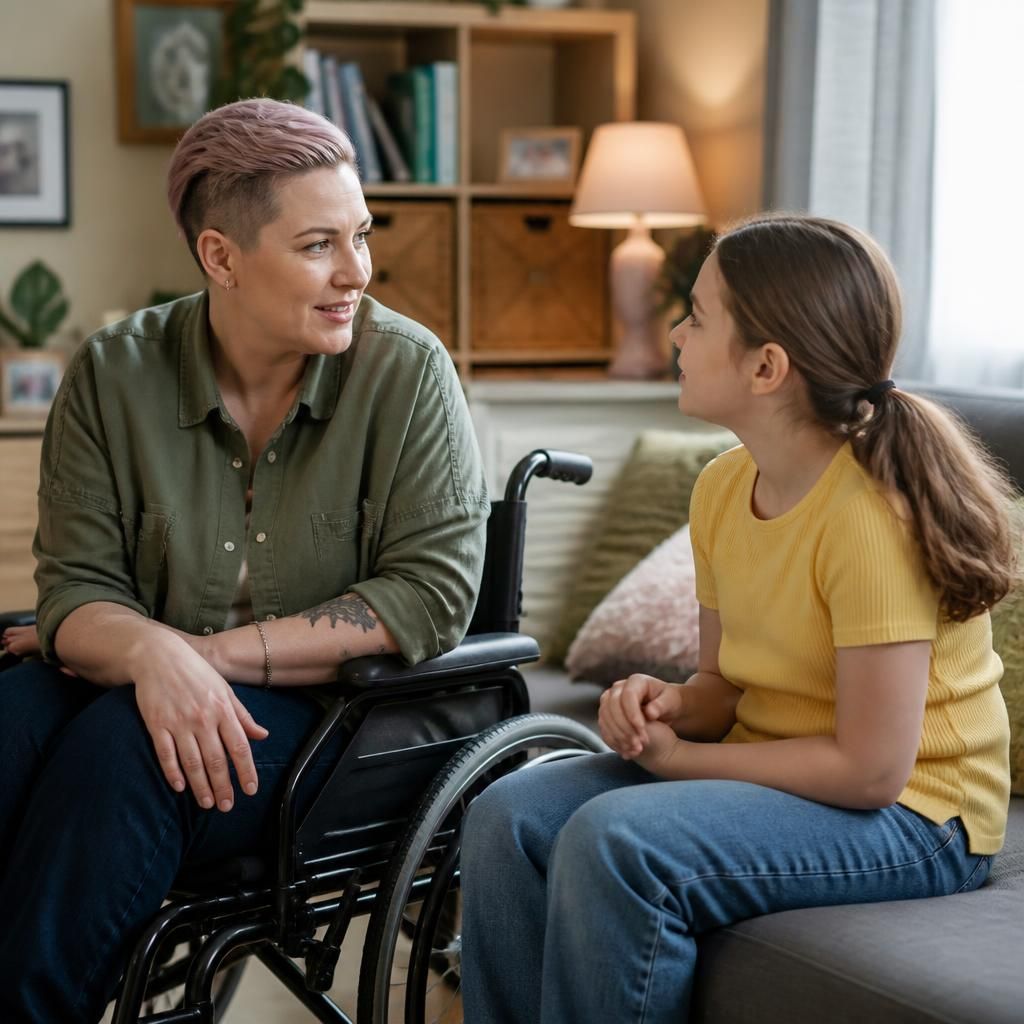
One useful part of the assessment is identifying the type of fostering arrangement that fits your circumstances. Fostering can involve different levels of responsibility, from planned short breaks to longer-term care, and the demands may vary depending on a child’s age, needs and routines.
Discuss honestly which situations you could manage well and which might require additional planning. This could include the amount of notice you need, how your energy or mobility affects daily activities, whether you can manage night-time care and what help would be available if your circumstances changed. These details help the fostering service consider suitable placements rather than making assumptions based on your diagnosis.
Discuss Fostering with a Disability
If you are considering fostering with a disability, contact our fostering team to discuss your circumstances and ask questions about the application process. This conversation can help you decide whether to take the next step.