
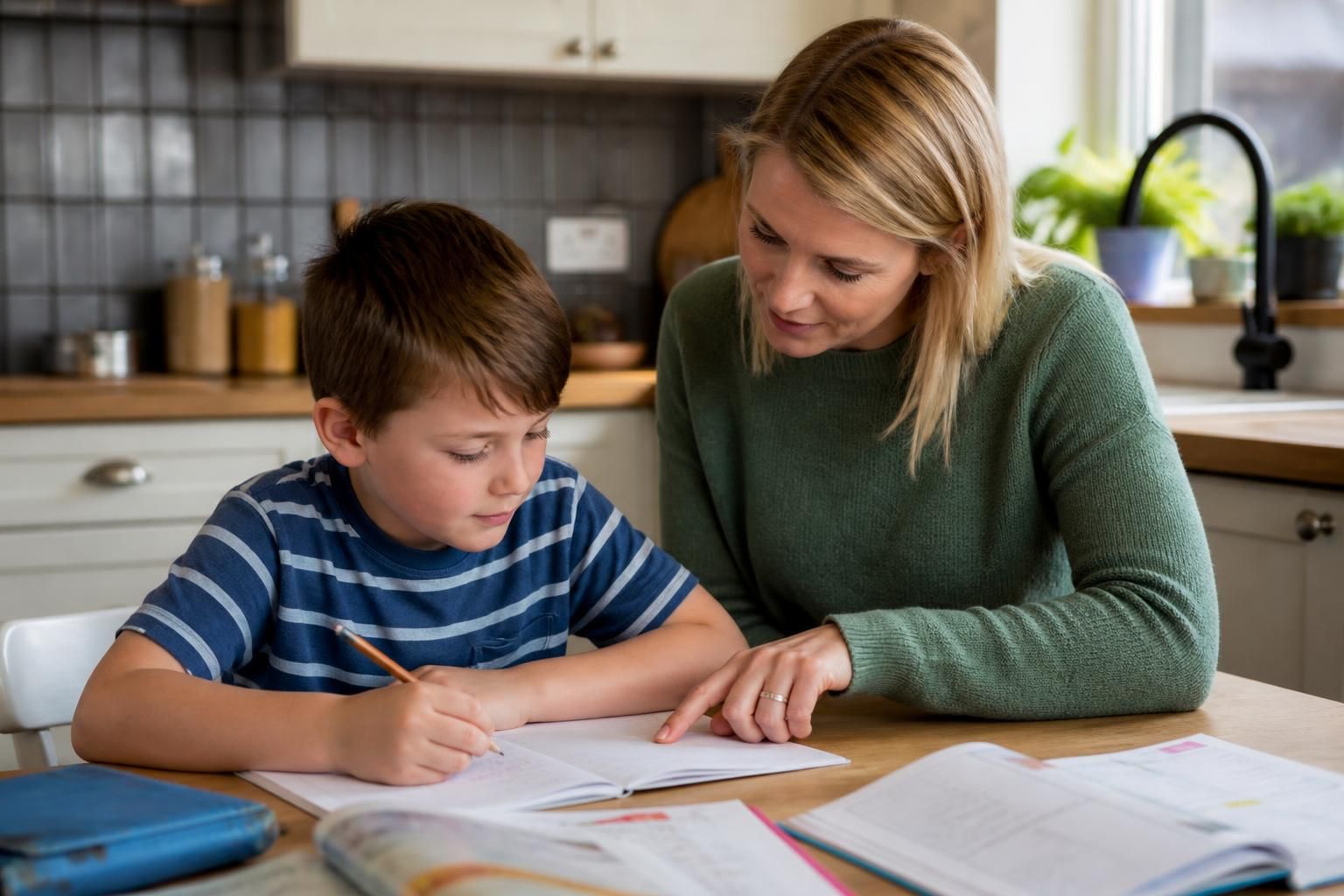
Can teachers become foster parents?
Yes, teachers can become foster parents, provided they meet the usual fostering requirements and can demonstrate that fostering fits safely around their professional responsibilities. Your fostering assessment will consider your availability, household arrangements, support network and ability to attend to a child’s needs alongside your teaching role.
Partnering with an
Ofsted Outstanding Provider
Teaching is compatible with fostering, but the assessment will look closely at how your school responsibilities would work alongside the practical and emotional demands of caring for a child. Your experience of safeguarding, communication, learning and child development may be relevant, but it does not replace the standard fostering assessment or the need to show that you can provide consistent care.
A key consideration is your daily availability. Foster children may need support with schoolwork, medical appointments, meetings, family contact and activities outside the school day. Your fostering service will discuss your timetable, travel arrangements and likely placement needs. It may be possible to foster while teaching full time, although the type of placement considered suitable could depend on your working pattern and the level of support a child requires.
You should think carefully about the practical arrangements that would apply during the school day. This might include:
- Who could care for the child before and after school?
- How would you respond if the child became unwell or needed to leave school unexpectedly?
- Could you attend meetings with social workers, health professionals and the child’s school?
- What arrangements would cover training, reviews, appointments and family contact?
- How would you manage school holidays, inset days and changes to your teaching timetable?
Any childcare or support plan would need to be suitable for the individual child and agreed with the fostering service. A strong network of family, friends or other trusted adults can be helpful, but you would still be expected to take primary responsibility for the placement. Informal arrangements cannot be assumed to replace approved fostering support or appropriate supervision.
Your professional knowledge can be useful when helping a child settle into education, understand routines or identify learning needs. However, a foster child is not a pupil, and the relationship at home has different boundaries from the relationship between a teacher and a student. You would need to keep the child’s personal information confidential, avoid discussing their circumstances inappropriately at school and follow the guidance provided by your fostering service.
If a child were placed in the same school where you teach, this would need careful consideration. It could create confidentiality, safeguarding or professional-boundary issues, particularly if you taught the child or had contact with their classmates. The fostering service would consider whether that arrangement was in the child’s best interests and whether suitable safeguards could be put in place. It is not something that should be assumed to be appropriate simply because you already understand the school environment.
Your employer’s policies may also be relevant. Check whether your contract or staff handbook contains requirements about outside responsibilities, conflicts of interest, safeguarding disclosures or time away from work. You may wish to discuss the practical implications with your school leadership team, while sharing only information that is necessary and appropriate.
Teachers complete the same broad assessment process as other applicants. This commonly includes:
- an initial discussion about your circumstances, motivation and the types of placement you could consider;
- checks on your household and home, including the suitability and safety of the space available;
- criminal record checks for the relevant adults in the household;
- references, including information about your ability to provide safe and reliable care;
- health information and a medical assessment where required;
- preparation training covering safeguarding, trauma, behaviour, attachment and safer caring; and
- a detailed assessment followed by a recommendation about your approval as a foster carer.
The assessment is not intended to test whether you can teach a child. It examines whether your household can offer the stability, boundaries, supervision and care required by the child or young person being considered. The service will also explore how your household would respond to behaviour that may be linked to previous trauma, disruption or loss.
Foster carers receive guidance, training and ongoing assistance after approval. You can discuss placement planning, education issues, safer caring arrangements and the effect of fostering on your employment with your fostering team. Financial support is also normally part of fostering, with allowances intended to contribute towards the costs of caring for a child. The amounts and financial arrangements can vary, so obtain current information before making decisions about reducing hours or changing your employment.
Before applying, prepare a realistic plan covering your teaching timetable, support network, emergency arrangements and the effect fostering could have on your household. A fostering service can then explain which placement types may fit your circumstances and what changes, if any, might be needed before approval.
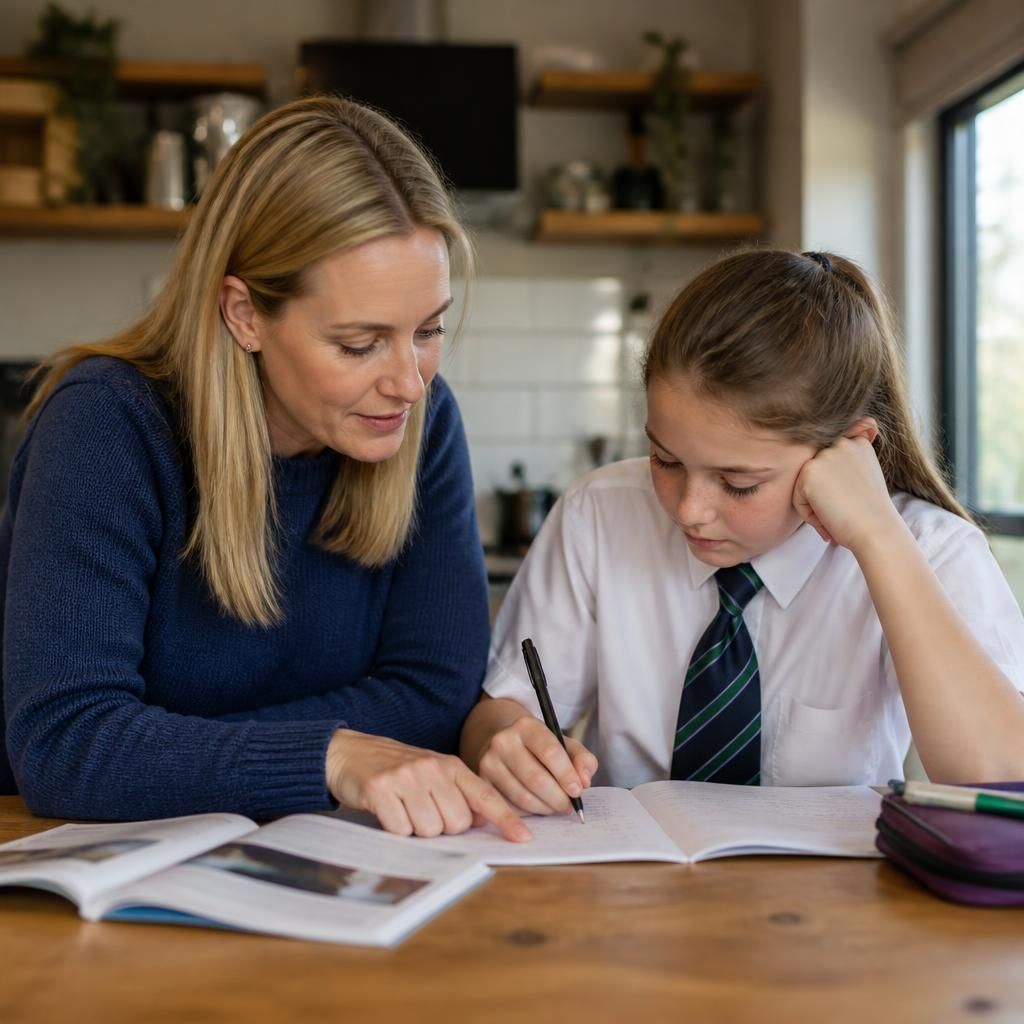
A teaching qualification is not a substitute for fostering preparation, and it is not the sole reason an application would be approved. Teachers bring relevant experience of communication, safeguarding and children’s development, but fostering requires additional skills in trauma-informed care, attachment, safer caring and managing the effects of loss or disruption.
You do not need to rely on your professional knowledge alone. As part of the application process, you will complete preparation training and have the opportunity to consider how fostering differs from teaching. The important question is whether you can use your existing skills appropriately while developing the separate knowledge and approach needed to care for a foster child at home.
Talk to us about becoming a foster parent
Talk to us about becoming a foster parent and discuss how your teaching role, household and support arrangements may fit with fostering. We can help you understand the next steps before you decide whether to apply.