
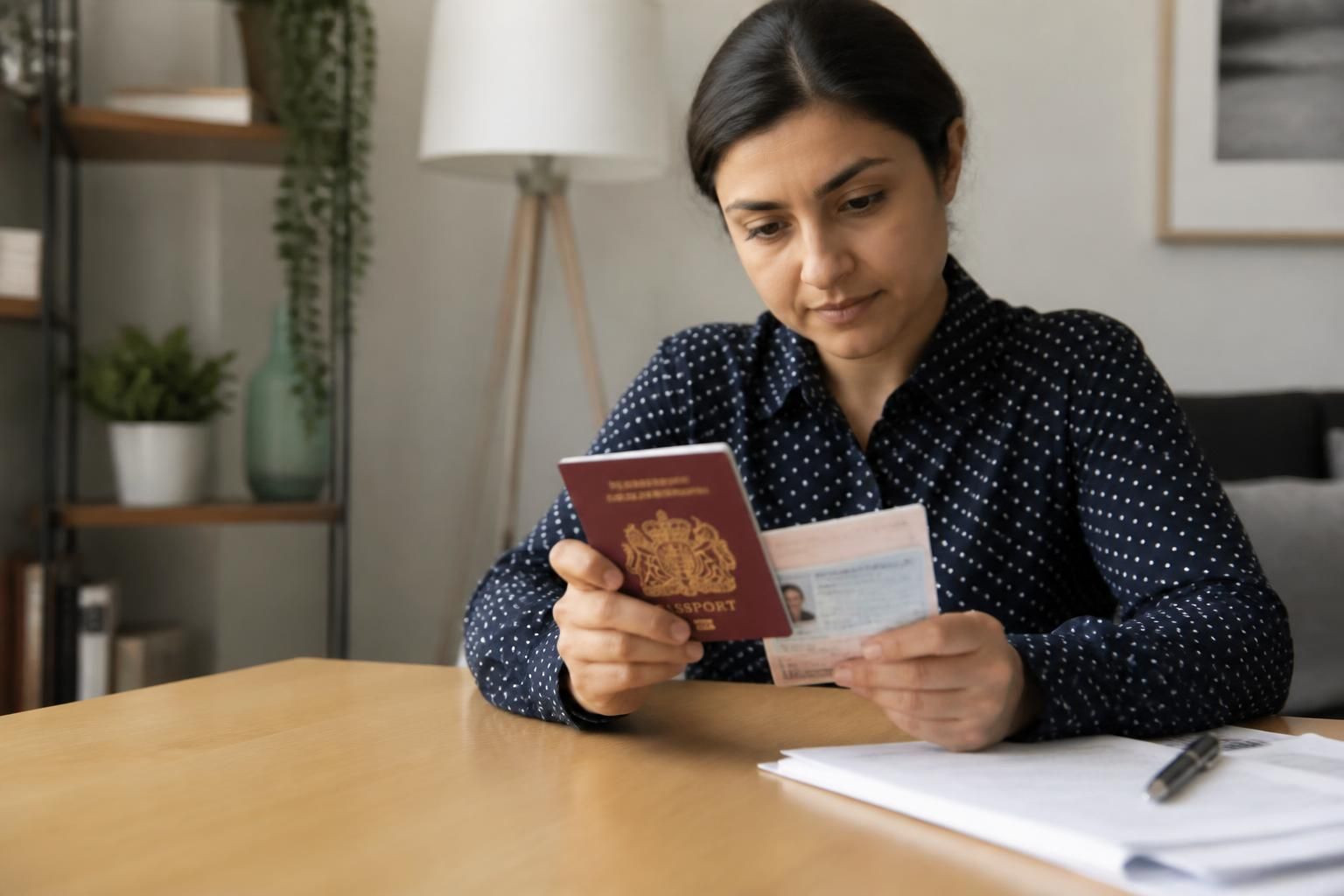
Do I need to be a British citizen to become a foster parent?
No, you do not usually need to be a British citizen to become a foster parent. You must be living in the UK with the appropriate immigration or residency status, and the fostering assessment will consider your circumstances alongside the usual eligibility checks.
Partnering with an
Ofsted Outstanding Provider
British citizenship is not usually a requirement for fostering. People from a range of nationalities may be able to foster, provided they are living in the UK and have immigration permission that allows them to remain here and meet the requirements of fostering. Your nationality is considered separately from your immigration status and your suitability to care for a child.
The fostering agency will need to check your right to live in the UK and understand how long you are permitted to remain. The relevant documents may include a passport, residence permit, visa, settled or pre-settled status evidence, or other Home Office documentation. If your permission to stay is time-limited, the agency will consider whether your circumstances provide enough stability for the assessment process and any potential fostering placements.
Immigration conditions can differ between visa types, so permission to foster is not determined by nationality alone. Some immigration categories restrict work, self-employment or access to public funds. A fostering allowance and the responsibilities of a foster carer may also need to be considered alongside the conditions attached to your immigration status. The agency should review your individual circumstances and, where necessary, you should obtain independent immigration advice before applying.
You will normally need to be living in the UK for the fostering assessment to take place. The assessment involves more than checking citizenship or residency. It usually includes:
- identity and immigration-status checks;
- enhanced Disclosure and Barring Service checks for relevant adults in the household;
- references, including employment and personal references where appropriate;
- health information and a medical assessment;
- checks involving other household members and your wider circumstances;
- an assessment of your home, relationships, lifestyle and ability to meet a child’s needs; and
- preparation training before a fostering panel considers your application.
If you have lived outside the UK, the agency may need additional information about your time overseas. This could include overseas police checks, references or documents confirming your address history. Obtaining these documents can vary between countries, so it is useful to discuss your previous residences at the start of the process.
Everyone in the household has an important part to play in the assessment. This includes a partner, children who live at home and any other adults in the property. The agency will consider whether the household understands fostering and whether the home can provide consistent care, privacy and appropriate boundaries. Speaking a language other than English does not, by itself, prevent someone from fostering; the important issue is whether you can communicate effectively with the child, professionals and other people involved in their care.
Where your immigration position is uncertain, provide the agency with accurate, up-to-date information rather than assuming that a particular visa automatically qualifies or disqualifies you. The agency can explain which evidence it needs and whether your current permission is compatible with fostering. If your status is due to expire, changes during the assessment or depends on another person’s visa, this should be disclosed so that it can be assessed properly.
In short, British citizenship is not the deciding factor. The key questions are whether you have a lawful and sufficiently stable basis for living in the UK, whether any immigration conditions are compatible with fostering, and whether you meet the wider requirements for becoming a safe and suitable foster carer.
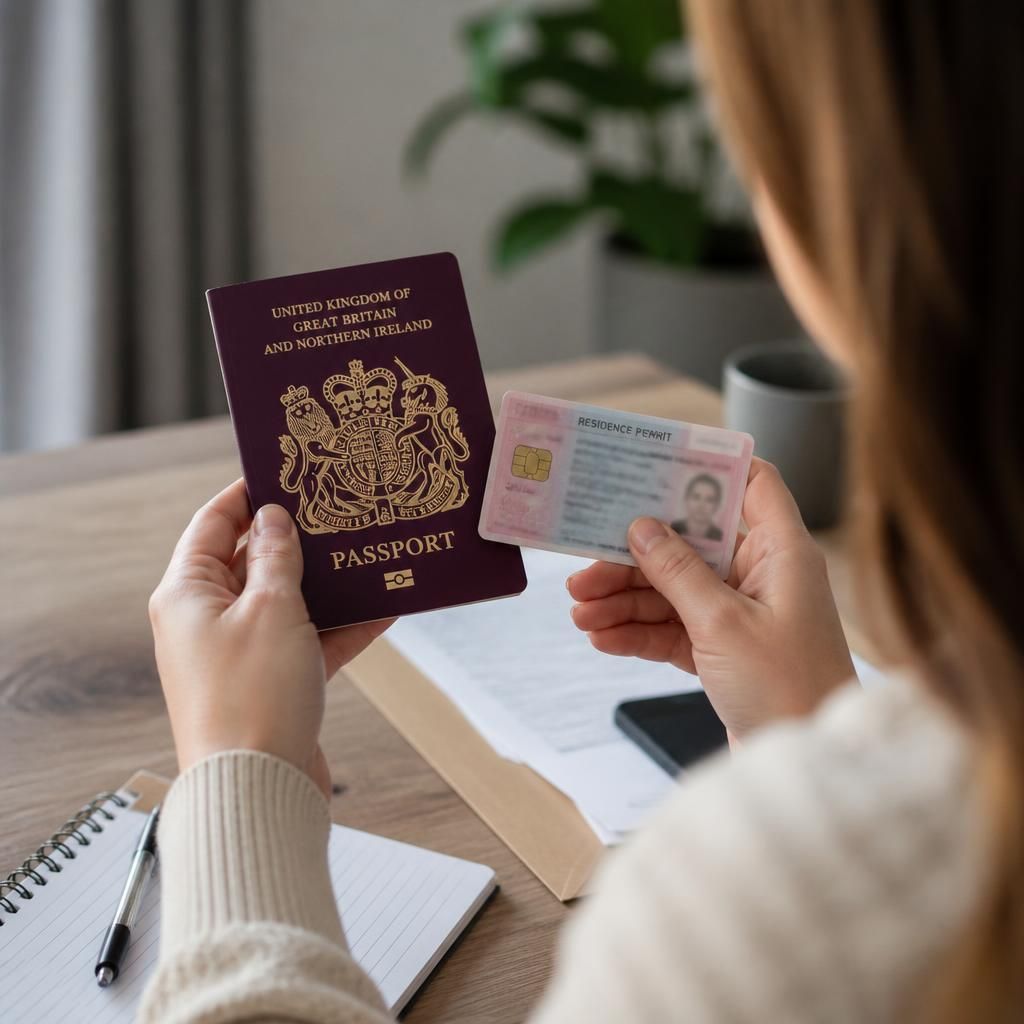
Fostering eligibility is assessed on your individual circumstances, not simply on the passport you hold. If your immigration permission has particular conditions, the agency will need to establish that you can carry out the responsibilities of fostering lawfully and that your circumstances are sufficiently secure for a child’s care.
Before applying, check any conditions attached to your status carefully and keep evidence of your current position available. If the wording is unclear, independent immigration advice can help you understand how fostering duties and payments may interact with your permission to remain in the UK. Being open about your circumstances from the beginning allows the agency to identify any issues at the correct stage.
Discuss Your Eligibility to Become a Foster Parent
Contact our fostering team to discuss your circumstances and clarify the evidence you may need to provide. We can help you understand the next steps before you decide whether to apply.