
What bedroom requirements apply to foster carers?
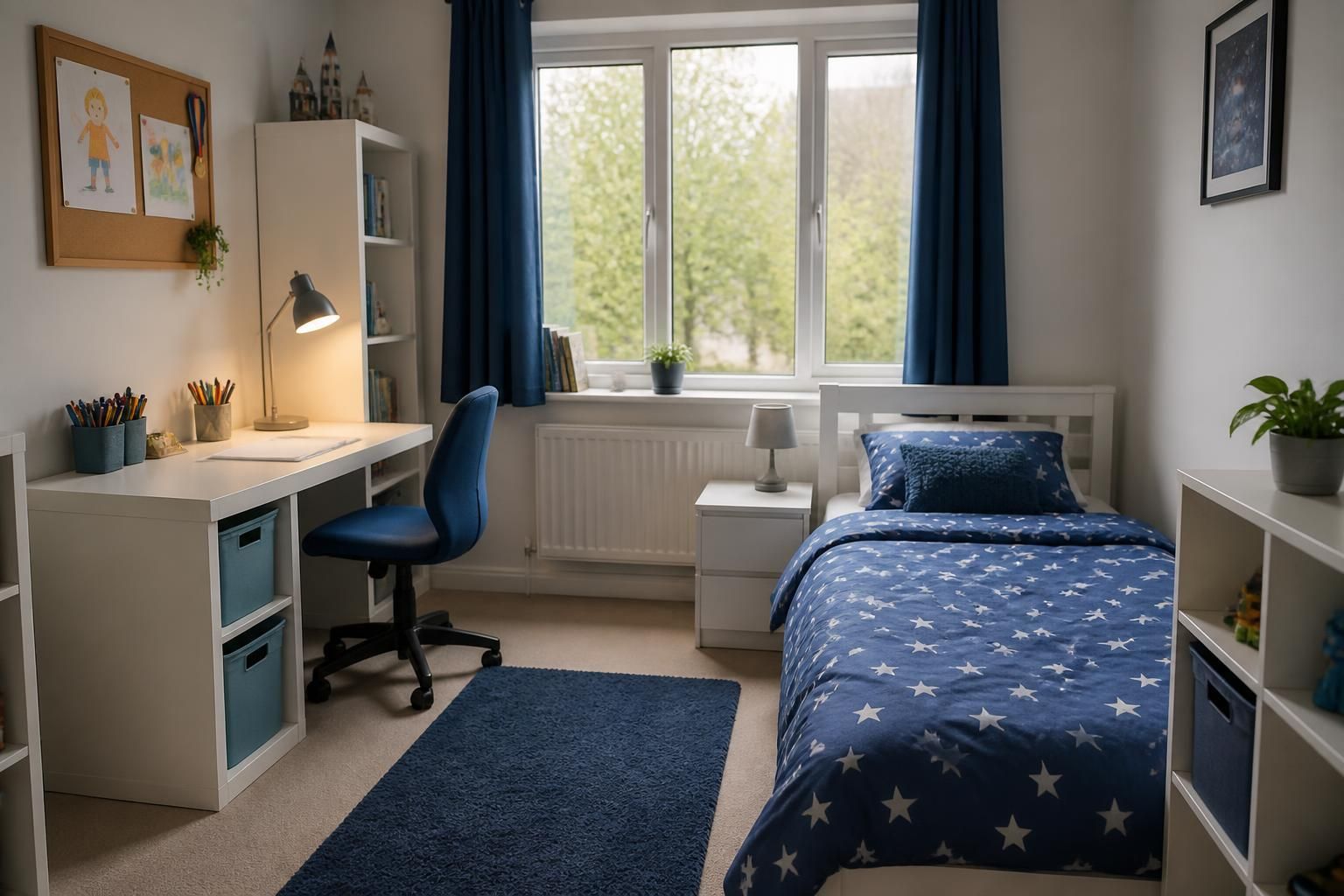
Foster carers will usually need to provide a suitable bedroom that gives the child privacy, space for their belongings and a safe, comfortable place to sleep. Children in foster care generally need their own bedroom, although the fostering service will assess the home and consider any permitted exceptions based on factors such as age, relationships and individual needs.
Partnering with an
Ofsted Outstanding Provider
Bedroom requirements for foster carers focus on whether the space is safe, private, suitable for the child’s age and needs, and large enough for comfortable day-to-day use. There is no single nationally prescribed bedroom measurement that applies to every fostering household; the fostering service assesses the room as part of the wider home and safety assessment.
The room should provide:
- Suitable sleeping arrangements, including an appropriate bed or cot where required.
- Enough floor and storage space for clothing, toys, school items and personal belongings.
- Good ventilation, heating, lighting and natural light.
- Safe flooring, furniture and electrical fittings, with hazards such as trailing cables, unsecured furniture or accessible medicines addressed.
- Privacy, including a door that can be closed and arrangements that respect the child’s personal space.
- Access to suitable washing and toilet facilities, taking account of the child’s age and independence.
The room should not normally be used as a passageway to another part of the home, and it should not be treated as general storage. A child needs to be able to regard it as their own personal space. The assessment may also consider whether the bedroom is close enough to the carer’s room for appropriate supervision, particularly for younger children or children with additional needs.
Can foster children share a bedroom? This depends on the children involved, their ages, relationship, individual needs and the rules of the fostering service. A proposed arrangement must be agreed as part of the placement planning process rather than assumed in advance. Factors such as safeguarding concerns, trauma, sleep patterns, personal history, gender, privacy and the possibility of conflict will be considered. A child’s bedroom arrangement may need to change if their needs or circumstances change.
Children who already live in the household are also considered. The fostering assessment looks at how the proposed arrangement could affect birth children, adopted children or other household members, including their privacy and ability to feel secure at home. The availability of a bedroom does not by itself mean that a placement will be suitable.
Safety checks can include:
- Checking smoke alarms, carbon monoxide protection where relevant, escape routes and fire safety arrangements.
- Considering window safety, heating controls, blind cords and other potential risks.
- Keeping medicines, cleaning products, alcohol and other hazardous items securely stored.
- Assessing whether the room and furniture are appropriate for a child with mobility, sensory, medical or communication needs.
- Reviewing internet access, privacy and any devices in the room in line with the child’s age and safeguarding plan.
Foster carers do not usually need to have a fully prepared bedroom before making an initial enquiry. During the assessment, the fostering service will discuss the available rooms, inspect the home and explain any changes needed before approval or before a particular placement is considered. It is sensible not to buy specialist equipment or make major alterations until the child’s needs are known, unless the assessing team has advised this.
If a child has disabilities, health needs, attachment difficulties or a history that affects sleep and privacy, the service may recommend adaptations or additional equipment. These arrangements should be agreed with the child’s social worker and recorded in the placement plan. Foster carers should also tell their fostering service before changing who uses each bedroom, moving house or taking in another household member, as this could affect the suitability of the home.
In practice, the key test is whether the proposed bedroom gives the child an appropriate standard of privacy, safety and comfort while allowing carers to supervise them properly. The fostering service will explain how its policy applies to the household and will consider the room alongside the child’s assessed needs, rather than applying a bedroom rule in isolation.
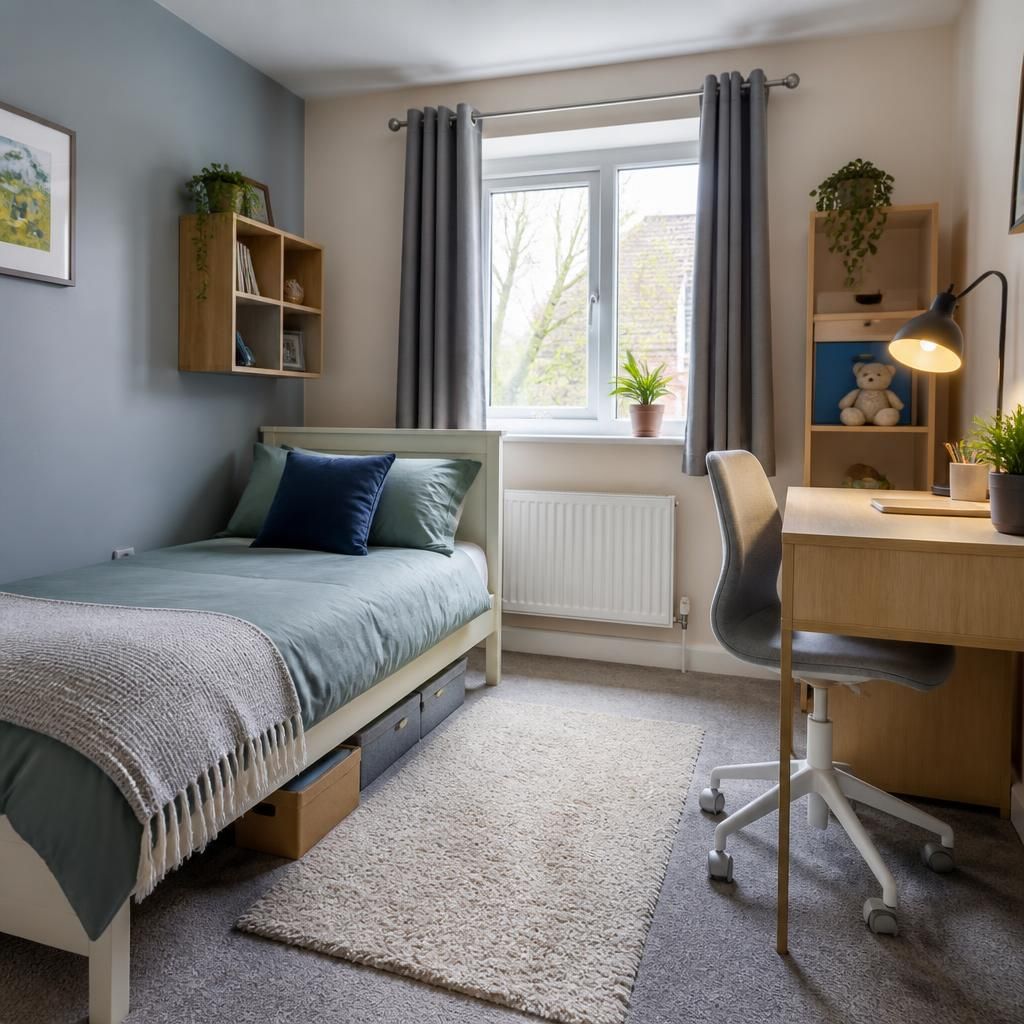
A foster child’s bedroom should be available for their use throughout the placement, rather than doubling as a home office, regular guest room or shared family space. This helps provide consistency and means the child does not have to move their belongings or give up the room when visitors stay.
The room does not need expensive decoration or matching furniture. What matters is that it is suitable for the child’s age, allows reasonable personalisation and remains practical to keep safe and tidy. Discuss any unusual arrangements with the fostering service before approval, particularly if the room has another intended use.
Ask whether your home meets fostering bedroom requirements
If you are considering fostering, contact our team to discuss your household circumstances and the assessment process. We can explain what information to prepare and outline the next steps for your application.