
What household space must self-employed foster carers provide?
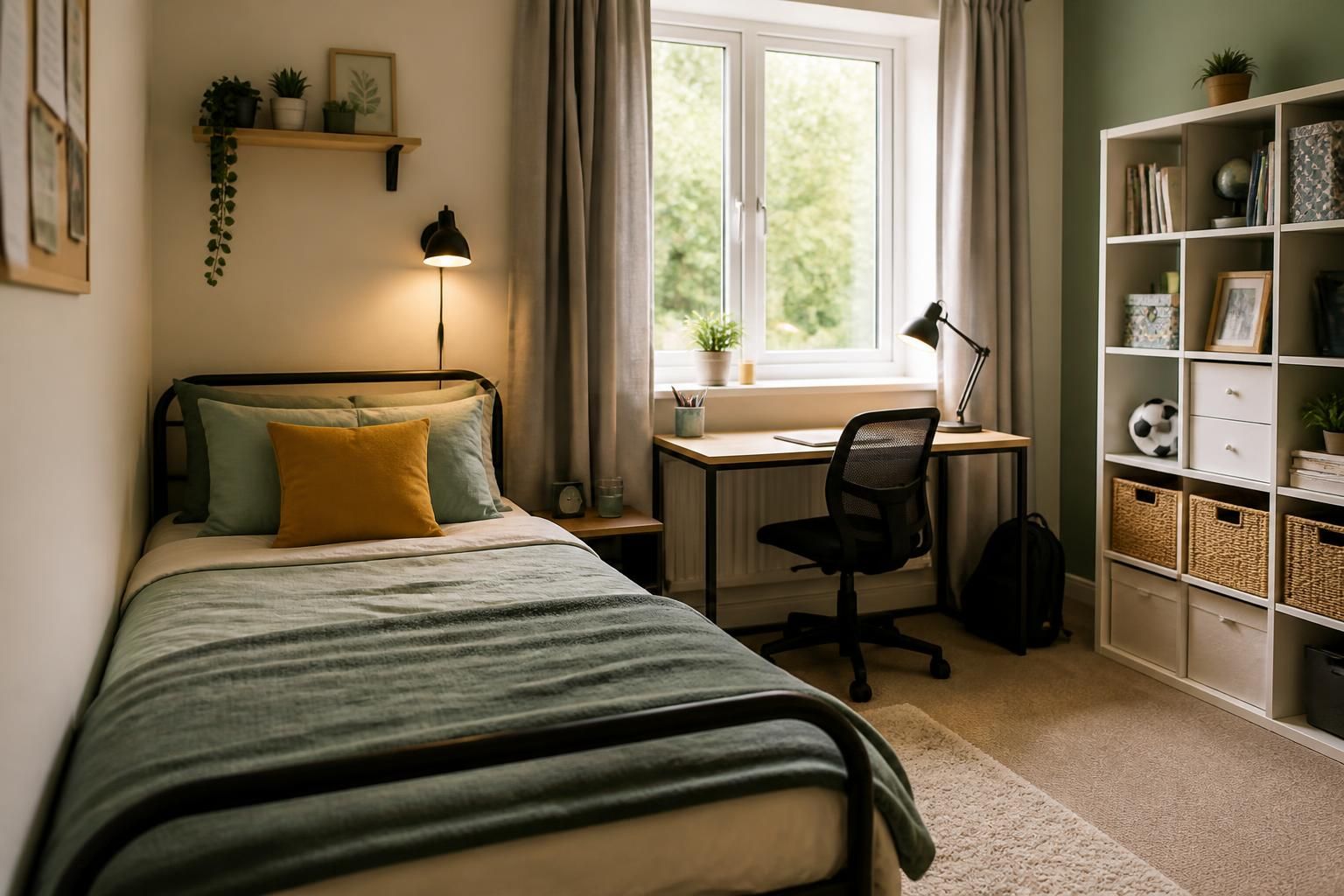
Self-employed foster carers must provide a safe, suitable home with enough space for each child’s needs; self-employed status does not change the household space requirements. Children will generally need their own bedroom, with any proposed sharing considered carefully during the fostering assessment, including privacy, age, gender and individual circumstances.
Partnering with an
Ofsted Outstanding Provider
Self-employed foster carers need to show that their home provides sufficient, safe and practical space for a child or young person, taking account of the household’s circumstances and the type of placement being considered. The assessment looks beyond the number of rooms: it considers whether the accommodation is secure, comfortable, appropriately furnished and able to support the child’s privacy, routines, belongings and individual needs.
The fostering service will consider the whole home, including:
- Sleeping accommodation: the proposed room should be suitable for the child’s age, development and personal circumstances. It should be usable as a proper bedroom rather than a temporary or unsuitable space, with enough room for essential furniture and belongings.
- Privacy: children need to feel that they have personal space and can keep belongings secure. The assessment may consider the position of the room, who can enter it, whether the child can change or relax privately, and how household members use nearby areas.
- Living and communal areas: there should be appropriate places for everyday activities such as eating, relaxing, studying and spending time together. A child should be able to participate in family life without being restricted to their bedroom.
- Bathroom and washing facilities: these must be safe, usable and suitable for the number of people in the household. The fostering service may discuss privacy, access and any support a particular child may need with personal care.
- Storage: children require space for clothing, school items, toys, personal belongings and, where relevant, equipment connected with their health or additional needs. Storage should be accessible and should not place important possessions at risk of damage or loss.
- Outdoor areas: a garden or other outdoor space is not automatically required in every fostering situation, but any available area should be safe. Where there is no private garden, the assessment can consider how the child will access suitable outdoor activities.
Safety is assessed throughout the property. This can include stairs, windows, doors, heating, electrical fittings, fire precautions, garden boundaries, water features, pets and the storage of medicines, cleaning products, alcohol, tools or other hazardous items. The exact checks depend on the home and the child’s circumstances. A fostering service may identify actions that need to be completed before approval, such as fitting safety equipment, improving storage or making a minor repair.
The household’s existing arrangements also matter. Assessors will consider who lives in the property, how rooms are used, whether there are frequent visitors and whether the proposed arrangement is likely to remain suitable if the household changes. If a foster carer works from home, the workspace should not prevent the child from accessing ordinary family areas or create risks around confidential information, work equipment or meetings. Working arrangements may also be discussed where they affect supervision, school routines or the carer’s ability to meet the child’s needs.
Space requirements can be affected by the type of fostering proposed. A younger child, teenager, parent-and-child placement or child with mobility, sensory, behavioural or health needs may require different arrangements. The service may therefore ask how the home could accommodate specialist furniture, mobility equipment, therapeutic activities, contact arrangements or additional supervision. A property that is suitable for one type of placement may not be appropriate for another.
During the assessment, expect to discuss the layout of the home and to provide access for relevant safety checks. It is useful to identify potential issues early, including limited storage, shared facilities, steep stairs, rented-property restrictions or plans to move house. If the property is rented, permission from the landlord may be needed before making alterations, and the fostering service may need evidence that the accommodation can be used for fostering.
The assessment is not simply about having a large house. It is about whether the available space can support a child’s safety, dignity, belongings, routines and relationships. Before applying, prospective carers can review each room from a child’s perspective, remove avoidable hazards, consider where personal items will be stored and think about how the household would maintain privacy and normal family life.
Any proposed changes to the home after approval should be discussed with the fostering service before they affect a child’s accommodation. Moving rooms, taking in another household member, changing the number of fostered children or carrying out major building work may require a fresh suitability discussion.
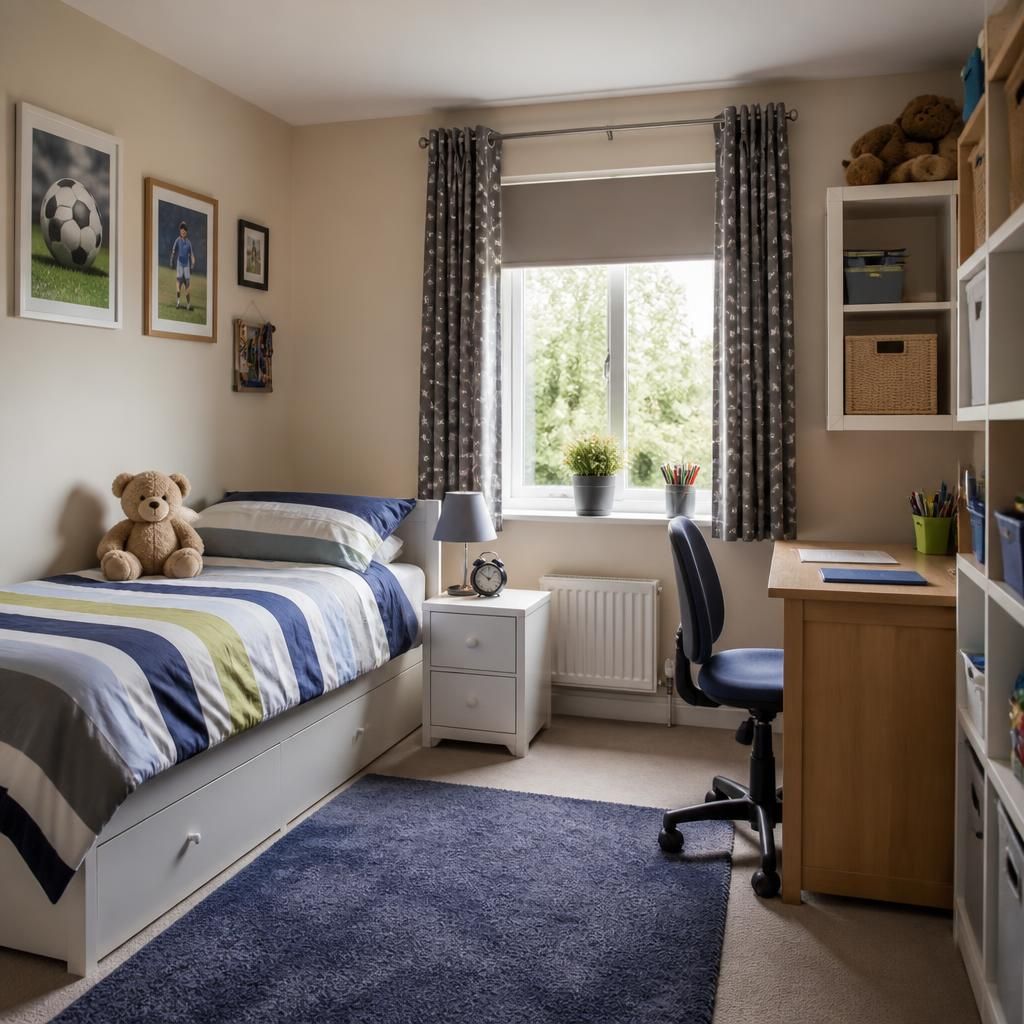
There is no single property type that automatically qualifies or rules out a self-employed foster carer. A flat, maisonette or rented home may be considered when the proposed accommodation is suitable for the child and the household can manage practical issues such as shared entrances, stairs, lifts, evacuation arrangements and access to outdoor activities.
When reviewing your home, consider how the space works in everyday life rather than focusing only on its size or layout on paper. The fostering service may discuss how a child would enter and leave the property, move around safely, access their bedroom and use communal areas without unnecessary restrictions. These practical details can help determine which placements are appropriate for your household.
Discuss your household space and fostering requirements
If you are considering fostering while self-employed, speak to our team about your household circumstances and the next steps in the assessment. We can help you understand how your home may be considered for the types of placement you are exploring.