

How does fostering affect relationships with birth children?
Fostering can affect relationships with birth children in both positive and challenging ways, as family routines, attention and household responsibilities may change. Preparing them honestly, involving them appropriately and making time for their needs can help them adjust and feel secure.
Partnering with an
Ofsted Outstanding Provider
Birth children are part of the fostering household, so their views, welfare and sense of security should be considered throughout the assessment and each placement. The effect on them depends on their age, personality, relationship with you, previous experiences and the needs of the child joining the family. With careful planning and appropriate support, fostering can become a manageable part of family life, but it should not be treated as having no impact.
Before you apply or accept a placement
- Talk with your children in language they understand about what fostering involves, including why a child may need foster care and what changes they might notice.
- Give them opportunities to ask questions privately as well as in family discussions. Younger children may need repeated explanations, while teenagers may want more detail about privacy, visitors and household rules.
- Be honest about the possibility that a foster child may be distressed, withdrawn, angry or unsettled. Avoid suggesting that your children will be expected to become carers, counsellors or responsible for managing difficult behaviour.
- Include their views in decisions about the type of placement that could work in your household. The fostering service will consider the needs of everyone living at home when assessing and matching placements.
- Discuss practical arrangements such as bedrooms, use of shared areas, pets, belongings, visitors, transport and online safety before a child arrives.
Your children do not make the fostering decision alone, but their views are important. If a birth child is strongly opposed, anxious or feels unable to cope with a proposed arrangement, this should be explored with the assessing social worker rather than dismissed. A placement should not proceed simply because adults believe the child will eventually adjust.
Possible reactions from birth children
Children and young people may respond in different ways. They may feel curious, proud or protective, but they may also experience jealousy, embarrassment, frustration, worry or resentment. Some reactions appear later, once the initial excitement has reduced. A child may also avoid discussing their feelings because they do not want to make you change your mind.
Changes in behaviour, sleep, school attendance, friendships or mood can indicate that additional support is needed. These signs do not automatically mean fostering is unsuitable, but they should be discussed promptly with your fostering service. Your child should know who they can approach if they are worried, including a parent, social worker, teacher or another trusted adult.
Protecting privacy and safety
Birth children need a clear understanding of confidentiality. They should not share a foster child’s personal history, photographs, name, location or information about why they are in care, including on social media. Explain that keeping information private protects both children and respects the foster child’s circumstances.
At the same time, your birth children should never be expected to keep secrets about something that makes them feel unsafe. Agree a simple way for them to report concerns, arguments, inappropriate behaviour or contact from someone connected with the foster child. Adults remain responsible for supervision, safeguarding and communicating concerns to the appropriate professionals.
Household boundaries should apply to everyone as far as possible. Your children should be able to identify their own belongings and personal space, and should understand which areas or items are shared. Foster children may have experienced disrupted boundaries, so expectations may need to be explained calmly and consistently rather than assumed.
Maintaining family relationships
Fostering should not mean that birth children lose access to important parts of their existing lives. Continue to recognise their school, friendships, hobbies, celebrations and developmental needs. Planned individual activities with a parent can help them feel seen as themselves rather than only as a member of a fostering household.
Family meetings can help everyone raise practical issues before they become conflicts. Keep discussions age-appropriate and do not disclose confidential details about the foster child’s background. It is also useful to agree how disagreements will be handled, when adults will step in and what birth children should do if they need space.
Relationships between the children may be close, distant or change over time. Do not insist that they call each other siblings, share possessions or spend all their leisure time together. Encourage kindness and respect, while allowing both children appropriate independence.
Support during a placement
The fostering service should remain involved in reviewing how the placement is affecting the whole household. Tell your supervising social worker about concerns involving a birth child, even if they seem minor. Waiting until a problem becomes a crisis can make it harder to identify a workable solution.
Useful support may include further guidance for parents, changes to household arrangements, help with communication, advice about managing behaviour, or a review of whether the placement remains appropriate. Your birth child may also need a confidential opportunity to speak with a professional who understands fostering. Ask the fostering service what support is available for children in your household.
After a placement ends, birth children may have mixed feelings. They might miss the child, feel relieved, or be unsettled by the change in family life. Give them space to talk without presenting one reaction as the correct one. If the ending has affected their wellbeing, raise this with the fostering service and seek appropriate support.
Before becoming foster carers, consider whether your family can discuss difficult feelings openly, respect confidentiality and adapt to professional involvement. A thorough assessment should help you explore these issues honestly and identify what would make fostering safe and sustainable for every member of the household.
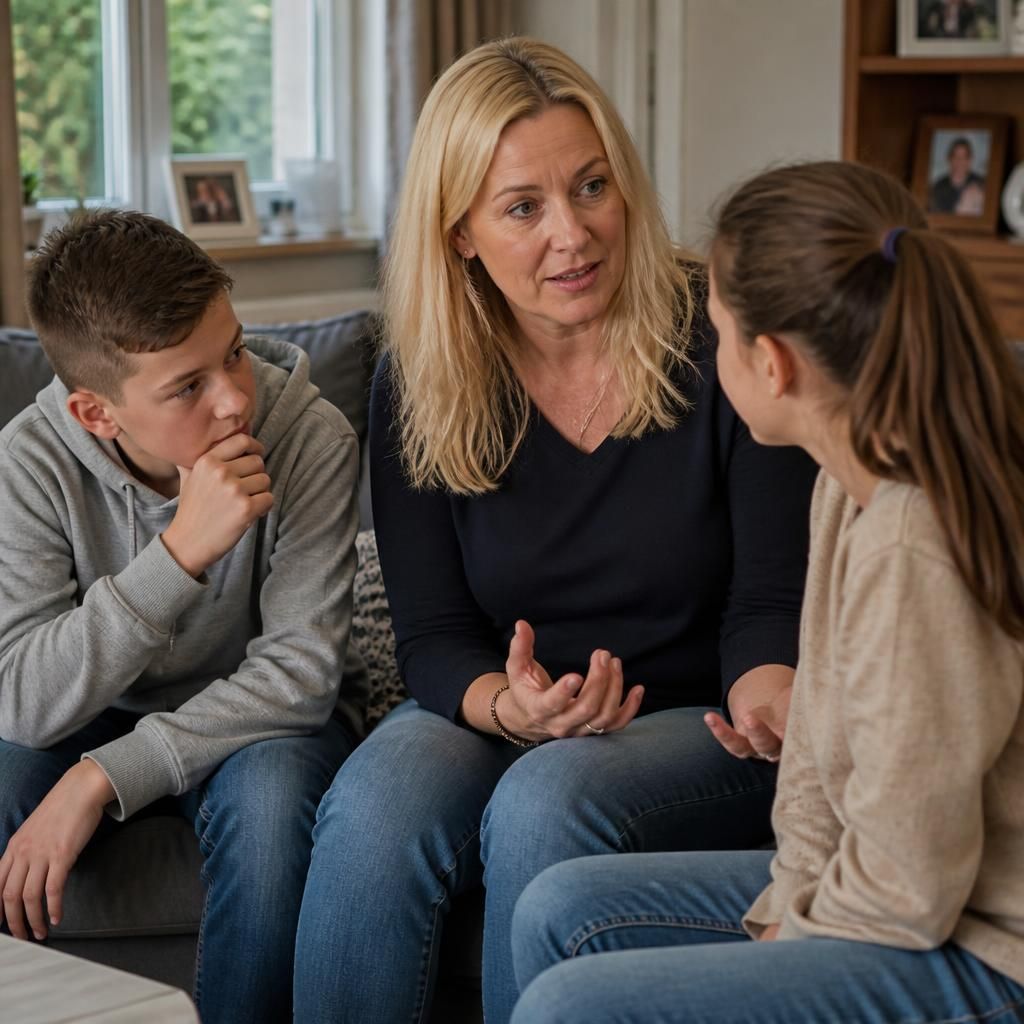
Fostering can affect birth children’s sense of fairness, particularly when a foster child needs different rules, attention or practical arrangements. Fair treatment does not always mean treating every child identically: decisions may reflect age, safety, additional needs or professional guidance. Explain these differences in terms your child can understand without sharing confidential information.
Parents should remain responsible for decisions and boundaries rather than asking birth children to accommodate every difficulty. They can be encouraged to show respect and consideration, but should still be able to say when an arrangement feels unreasonable or affects their wellbeing. Reviewing household expectations together can help prevent resentment and keep the parent-child relationship separate from the professional responsibilities involved in fostering.
Find out how fostering could affect your family
If you are considering fostering, speak to our team about how the assessment process can help you explore the impact on your family and birth children. You can ask questions before deciding whether to take the next step.