
What should we know about fostering alongside birth children?
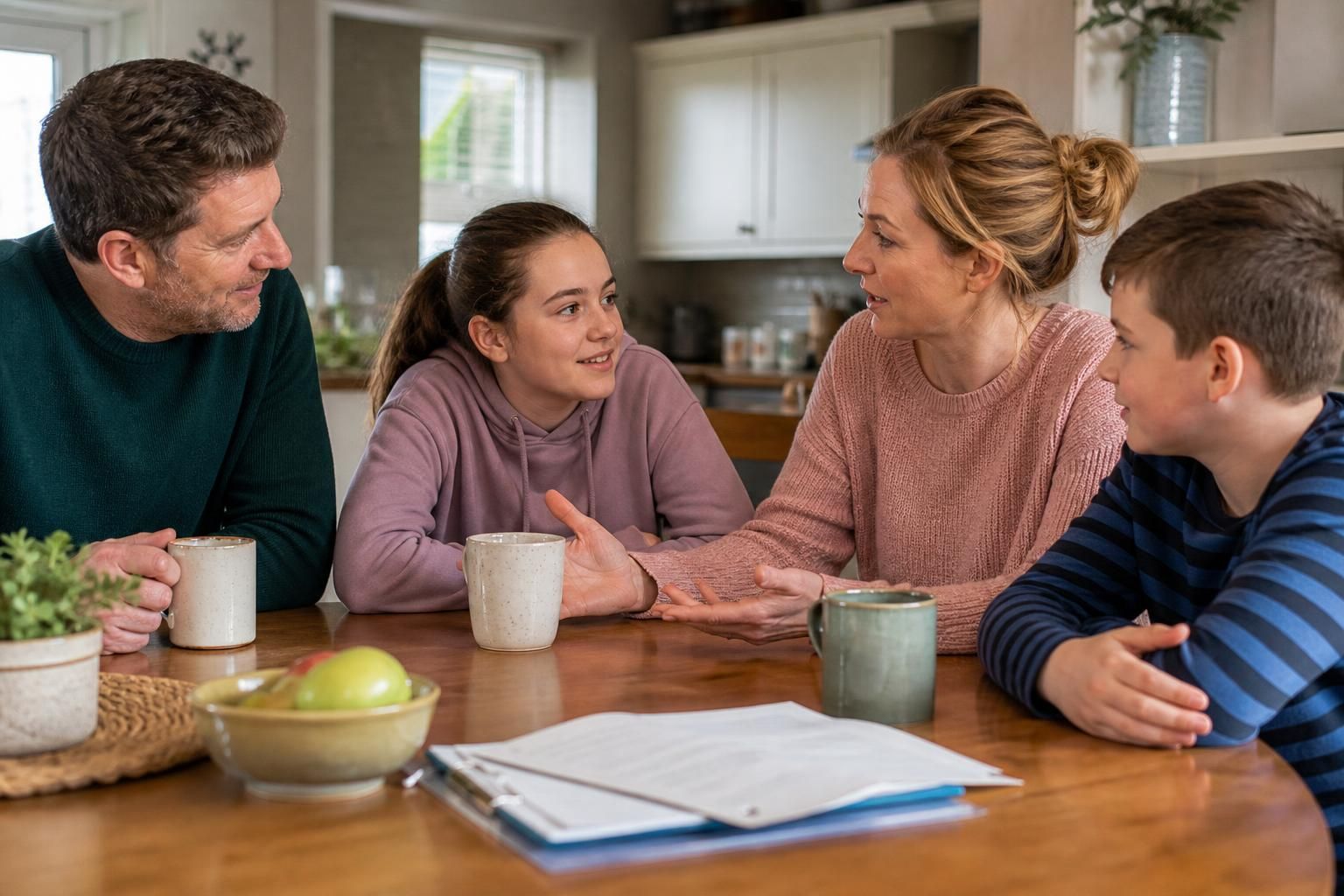
Fostering alongside birth children means considering how a foster child’s needs, routines and experiences may affect everyone in the household. Your birth children should be included in age-appropriate discussions, and the fostering assessment will consider their views, wellbeing and the support needed to help all the children feel safe and valued.
Partnering with an
Ofsted Outstanding Provider
Fostering alongside birth children means creating a household where a foster child’s needs are met while your own children remain safe, heard and supported. It can work well, but it requires preparation, honest communication, clear boundaries and regular attention to how fostering is affecting every member of the family.
Birth children are part of the fostering household. Their opinions and experiences matter throughout the process, not just before approval. They may feel positive about welcoming a child, while also having concerns about privacy, sharing attention, changes to routines or the possibility of difficult behaviour. These reactions can change after a placement begins. Parents should make it clear that children can raise worries without being blamed for them or expected to manage the foster child’s needs.
Before fostering, consider the practical effect on family life. Discuss how a placement could affect:
- bedtimes, school runs, homework and activities;
- shared rooms, bathrooms, belongings and personal space;
- family time, holidays, visits and arrangements with relatives;
- household rules, mealtimes and the use of technology;
- the attention parents can give to each child;
- contact with the foster child’s birth family, where this forms part of their care plan.
It is important not to assume that all children will respond in the same way. Age, personality, previous experiences and the type of placement will make a difference. A younger child may need simple explanations and predictable routines, whereas a teenager may want more privacy and a greater say in how shared spaces are used. Birth children should not be treated as additional carers or expected to supervise, discipline or emotionally support a foster child.
Matching is a key safeguard for the whole household. The fostering service should consider whether a proposed placement is suitable for your family, including the ages and needs of your birth children, the available space, pets, school arrangements and any known risks. You should be given relevant information about the foster child so that an informed decision can be made. No placement can be predicted perfectly, but asking questions before agreeing helps identify practical issues and support requirements.
House rules should apply fairly, while recognising that a foster child may need different arrangements because of their history or care plan. Agree which rules are essential for safety and respect, and explain them consistently. Avoid comparing the children or describing a foster child’s behaviour in front of siblings. At the same time, your birth children should not be expected to accept behaviour that makes them feel unsafe. Concerns about aggression, harmful language, sexualised behaviour, bullying or other risks must be reported through the agreed safeguarding process.
Privacy and confidentiality need particular care. Birth children may hear information about a foster child’s background, health or family circumstances, but this information should not be shared with friends, extended family or online contacts. Explain confidentiality in language they understand, including what they can say if someone asks questions. The foster child’s privacy matters too: photographs, school details and personal stories should not be posted or discussed publicly without appropriate permission.
Parents can help relationships develop by allowing them to grow naturally rather than insisting that the children become close immediately. Shared activities can be useful, but each child should also have time away from the rest of the household. Keep established activities and relationships where possible, and make individual time with birth children a planned part of family life. A brief regular check-in can help you notice changes in mood, sleep, schoolwork, friendships or behaviour before a difficulty becomes more serious.
Training should cover the impact of fostering on birth children, attachment, trauma, managing behaviour, safeguarding and maintaining appropriate boundaries. It is also useful to agree in advance what your family will do if a placement is stressful: who children can speak to, which adult will handle concerns and when the fostering team should be contacted. Your supervising social worker and other professionals involved in the placement can help review the arrangement and identify further support or changes that may be needed.
Fostering can also affect household finances and family resources. Fostering allowances are intended to contribute towards the costs of caring for a child, but the exact amount and any applicable terms should be confirmed with the fostering service because they can vary. Consider likely costs such as food, clothing, transport, activities, equipment and changes to sleeping arrangements, as well as how fostering could affect work and existing childcare commitments.
The right question is not whether fostering will leave family life unchanged; it will involve adjustments. The important considerations are whether your household can make those changes safely, whether your birth children can maintain their own identity and support networks, and whether you are prepared to review arrangements as the placement develops. Clear preparation, suitable matching and access to professional guidance give all the children a stronger foundation for living together.

Fostering alongside birth children includes preparing them for the possibility that a foster child may leave the household. Placements can end because a child returns to their birth family, moves to another placement or reaches a planned stage in their care plan. Birth children may form attachments and experience mixed feelings when this happens, even when they understand why the move is necessary.
Use age-appropriate explanations and avoid making promises about how long a foster child will stay. When an ending is planned, involve birth children in suitable preparation, such as deciding whether they want to write a card or take part in an agreed farewell. They should not be expected to manage the foster child’s emotions or make decisions about contact. After the move, give them opportunities to talk about the change and look out for effects on sleep, school or behaviour. Your fostering team can advise on how to support the whole household through transitions.
Explore fostering alongside birth children
If you are considering fostering alongside birth children, speak with our fostering team to discuss your family’s circumstances and ask questions about the assessment process. You can then decide whether exploring an application is the right next step for your household.