
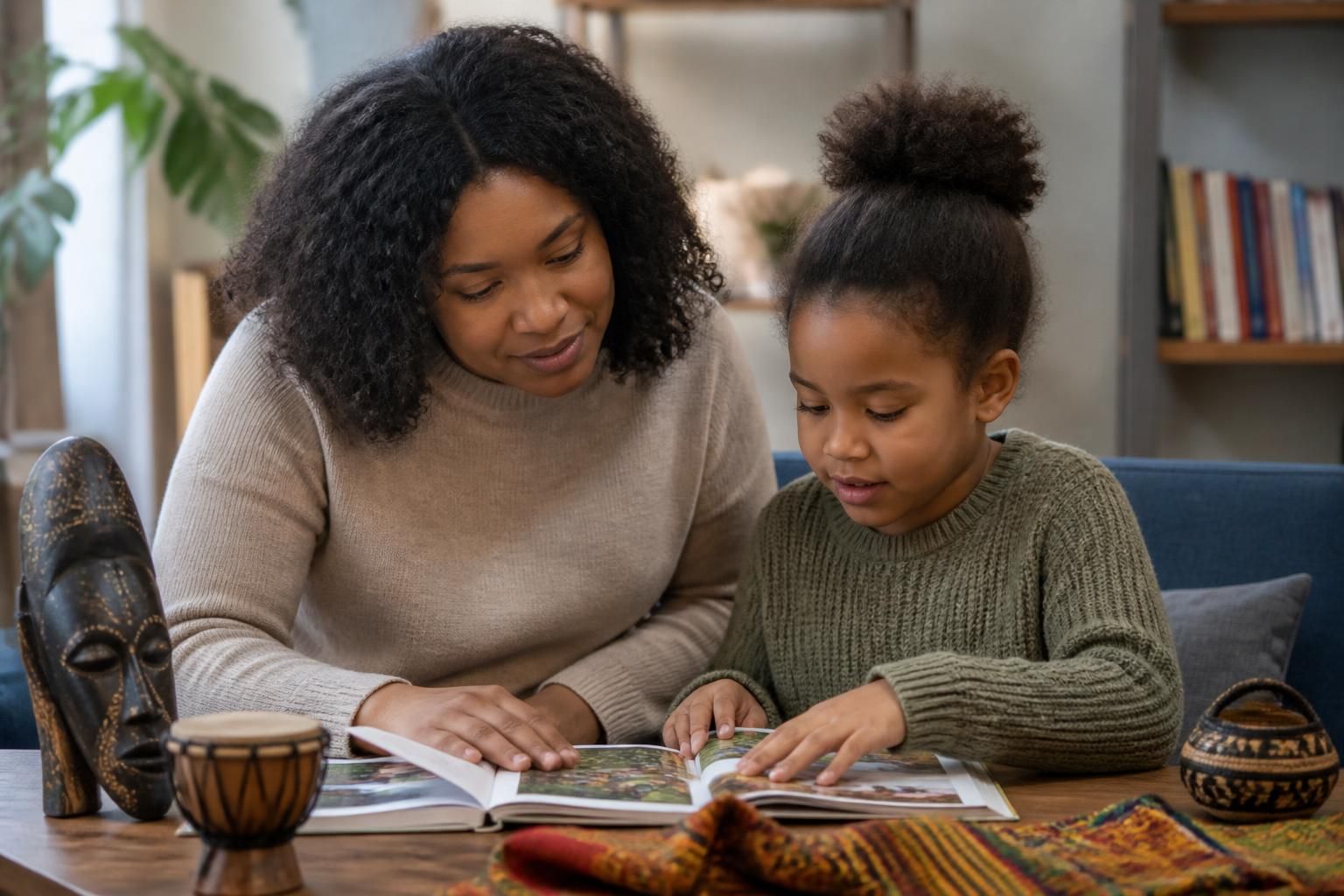
Can foster carers support a child’s cultural identity?
Yes. Foster carers can support a child’s cultural identity by respecting and encouraging their heritage, language, religion, traditions and relationships, in line with the child’s wishes and their care plan. The child’s social worker and fostering team can provide guidance on practical ways to maintain these connections safely and consistently.
Partnering with an
Ofsted Outstanding Provider
Supporting a child’s cultural identity in foster care means helping them understand where they come from, feel secure in their sense of self and develop their identity without being expected to fit into their foster family’s way of life. This is an ongoing part of care, not a one-off activity or an occasion reserved for cultural celebrations.
In England, care planning duties require the child’s racial origin, religious persuasion, cultural background and language to be considered when decisions are made about their care. Foster carers contribute to this work by noticing what matters to the child, asking respectful questions and sharing relevant observations with the professionals involved. A child’s identity may also include their nationality, family history, community connections, disability, gender identity or sexuality, so support should reflect the whole child rather than relying on assumptions about ethnicity alone.
Practical support can include:
- making sure the child has accurate information about their family background and personal history, at an age-appropriate level;
- helping them access books, music, films, activities and community spaces in which they can see aspects of their identity represented;
- checking that personal care products, clothing and other everyday items are suitable for the child’s needs and preferences;
- learning the correct pronunciation of names and encouraging the child to use the words, expressions or communication methods that feel natural to them;
- keeping important objects, photographs, recipes or written memories safely, where these are appropriate and agreed; and
- helping the child talk about differences between their birth family, foster family and wider community without presenting one way of living as better than another.
For babies and younger children, carers may need to rely more heavily on information from the child’s family and records because the child may not yet be able to explain their own preferences. As children grow, their views may change. An older child might become more interested in an aspect of their background that previously seemed unimportant, or may ask new questions about family history. Carers should allow room for this development and avoid treating an early lack of interest as a permanent decision.
Good support is led by the child rather than by a carer’s idea of what cultural support should look like. A child may not want to attend a particular group, eat certain foods or take part in an activity linked to their background. They should not be pressured, singled out or asked to educate others. Equally, carers should not avoid relevant conversations simply because they feel uncertain. It is usually better to acknowledge what they do not know, seek reliable guidance and involve the child in deciding what would be useful.
Foster carers do not have to share the child’s background to provide appropriate care. They do need to be willing to learn, challenge prejudice and recognise how their own assumptions may affect the child. This includes responding calmly if the child experiences insensitive comments, bullying or discrimination, and reporting concerns through the agreed safeguarding arrangements. The child should know that their identity will be taken seriously and that they will not be blamed for other people’s behaviour.
Where a child has links with relatives or other significant people, information about those connections can help carers understand the child’s history and avoid unintentionally losing important parts of it. Any contact or exchange of information must follow the arrangements agreed by the local authority and remain safe. Foster carers should not make informal arrangements or share personal details without checking what has been authorised.
It is also important to distinguish cultural identity from religious practice. Some children may observe a faith closely, some may follow particular customs without belonging to a religion, and others may be exploring their beliefs. Carers should provide space for questions and honest discussion while following the child’s agreed arrangements. They should also seek advice before making decisions about practices that could affect the child’s health, safety or legal rights.
Identity support should be recorded in the child’s placement information and considered during reviews. Carers can contribute by noting what helps the child feel comfortable, what causes confusion or distress and what the child has said they would like to learn or maintain. If the available information is incomplete, the social worker and fostering team can help identify appropriate sources of advice, including the child’s family, specialist services and relevant community organisations.
The aim is not to create a performance of culture within the foster home. It is to give the child consistent, respectful opportunities to know themselves, ask questions and develop a secure sense of belonging while living away from their birth family.
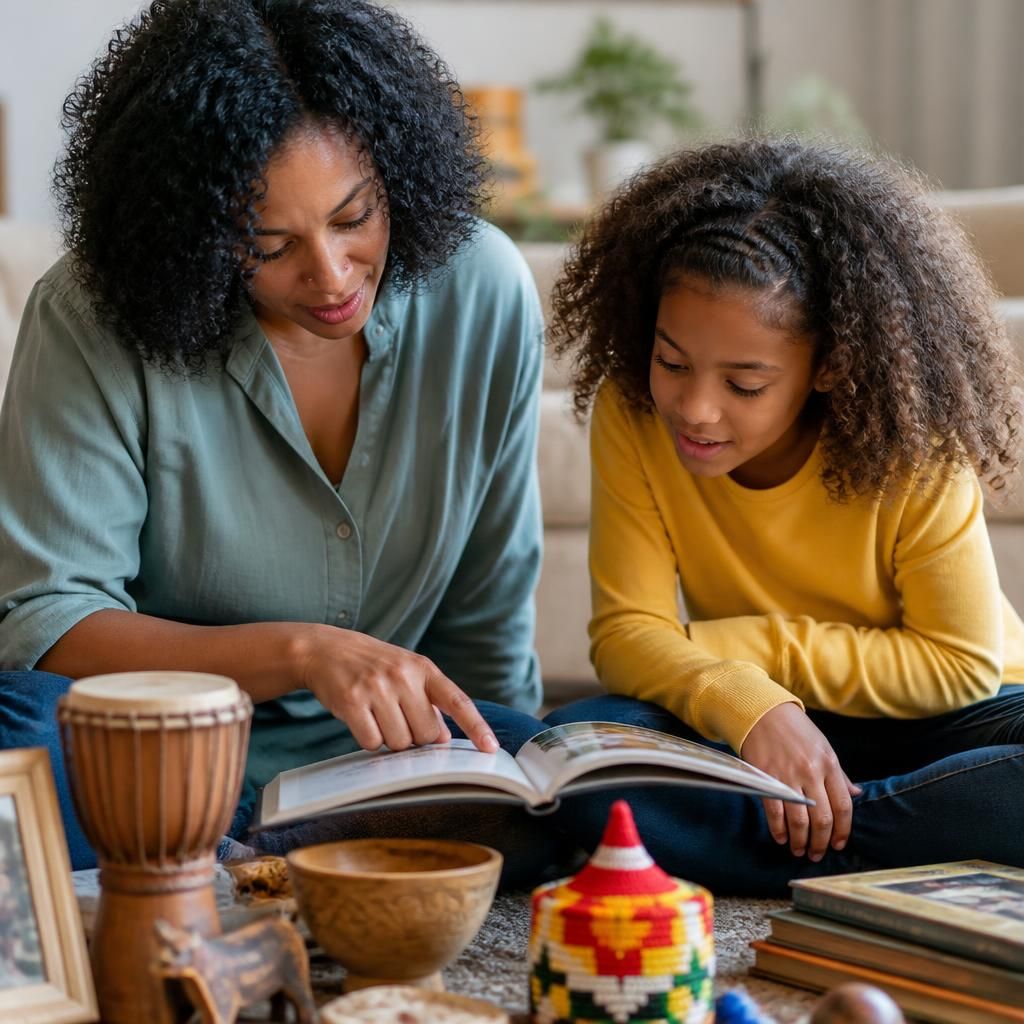
Supporting a child’s cultural identity also means advocating for them outside the foster home. Foster carers can share relevant information with the child’s school, healthcare professionals and activities, following the agreed information-sharing arrangements, so that the child’s name, communication needs, dietary requirements and personal beliefs are treated respectfully.
This may involve asking how a school will respond to discriminatory language, checking that important occasions are handled sensitively and making sure the child is not excluded because adults have overlooked their background. The child should be involved in these discussions wherever appropriate, with their privacy protected. Raising practical concerns early helps create consistency between home, education and other services.
Discuss how to support a child’s cultural identity
If you are considering fostering and want to understand how cultural identity is addressed in practice, speak to our fostering team about the assessment, training and ongoing support available.