
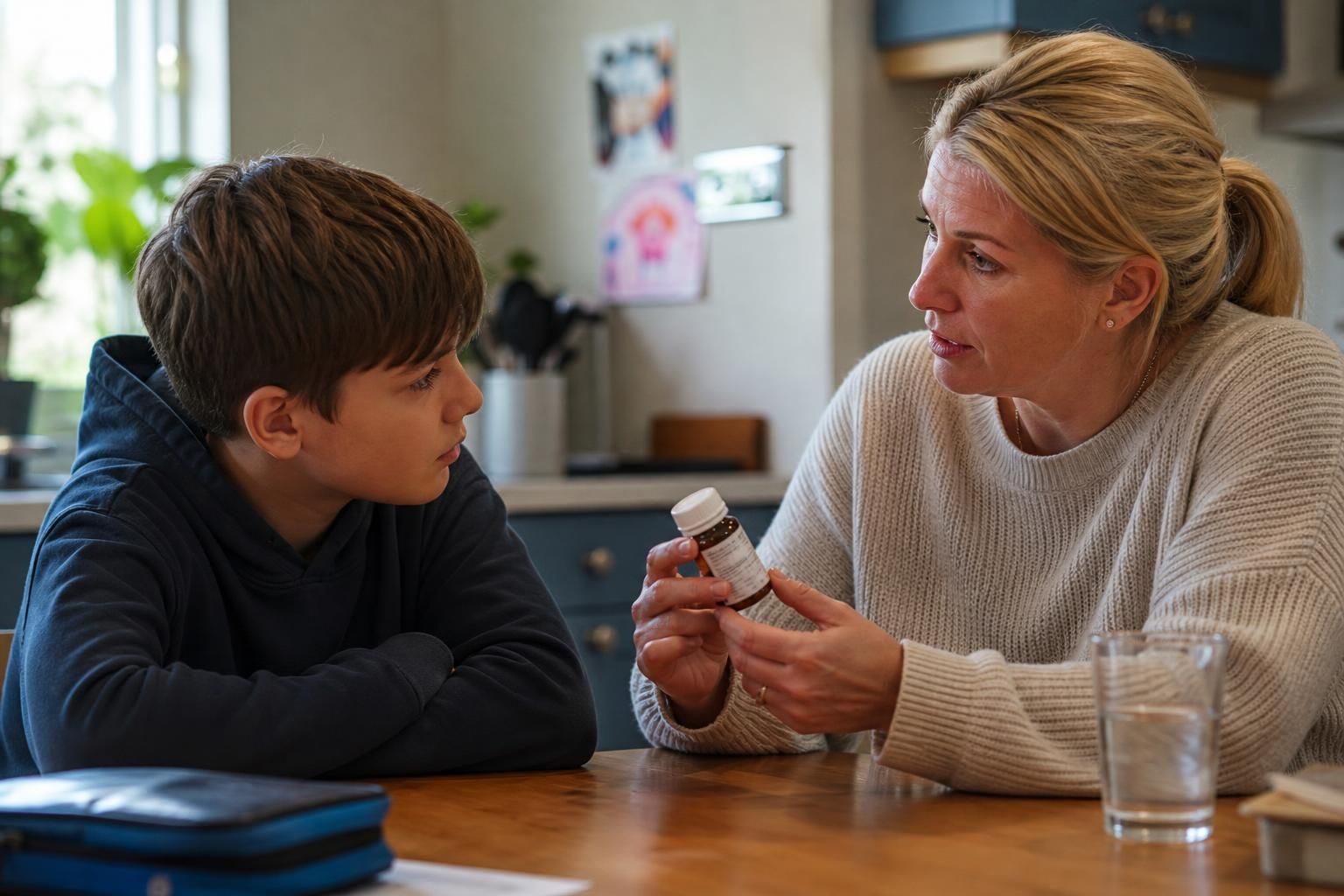
What medical responsibilities might foster carers have?
Foster carers may be responsible for a child’s day-to-day health needs, including arranging and attending medical, dental and optician appointments, giving medication as authorised, keeping health records and sharing relevant information with professionals. The exact responsibilities depend on the child’s care plan, delegated authority and health needs, with training and guidance provided where specialist care is required.
Partnering with an
Ofsted Outstanding Provider
Medical responsibilities in foster care are shared between the foster carer, the fostering service, the child’s local authority and relevant health professionals. Foster carers usually provide the practical, day-to-day support described in the child’s care plan, while decisions about treatment and consent depend on parental responsibility, delegated authority and the type of healthcare involved. Carers are not expected to diagnose conditions or provide treatment beyond their training.
Understanding the child’s health plan
At the start of a placement, carers should be given relevant information about the child’s known health needs, allergies, disabilities, ongoing treatment, communication needs and any risks that could affect their wellbeing. They should understand what action to take, who has authority to make particular decisions and which professionals should be contacted if circumstances change.
Some information may not be available immediately, particularly when a child arrives in an emergency. In that situation, the carer should share observations and concerns with the supervising social worker and the child’s social worker so that the care plan can be updated. Important health information should be handled confidentially and only shared with people who need it to safeguard or care for the child.
Consent and delegated authority
A foster carer’s authority is not automatically the same as that of a child’s parent. The placement agreement should explain which routine decisions the carer can make without asking for separate permission and which decisions need approval from the local authority, parents or another person with parental responsibility.
Routine healthcare decisions may often be delegated, but significant procedures, non-routine treatment and some decisions involving mental health or ongoing medication may require specific consent. If the position is unclear, the carer should not guess. They should seek advice from the child’s social worker, fostering service or health professional and make sure the decision is recorded appropriately.
Recognising changes in health
Foster carers are often best placed to notice changes because they see how a child behaves and functions in everyday life. Relevant observations might include changes in sleep, appetite, energy, mood, mobility, communication, personal care or behaviour. A change may have a physical, emotional or developmental cause, so carers should report concerns rather than trying to reach a diagnosis themselves.
They should also be alert to signs that a child may be experiencing pain, an allergic reaction, an infection, self-harm risk or deterioration in an existing condition. The appropriate response will depend on the circumstances and the child’s instructions. A serious or life-threatening situation requires urgent emergency help, followed by notification of the relevant professionals under the placement’s procedures.
Providing safe daily care
Health responsibilities can include following agreed routines that support the child’s physical wellbeing, such as suitable nutrition, personal hygiene, sleep, exercise and infection-control measures. These routines should take account of the child’s age, abilities, culture, preferences and any professional advice. A child should be involved in decisions about their own health as far as their age and understanding allow.
Foster carers may also need to make practical arrangements for health-related equipment, dietary requirements or adaptations in the home. Where a child has a disability, long-term condition or complex needs, the carer should receive clear instructions and any necessary training before taking on tasks that require specialist knowledge.
First aid and specialist training
Foster carers should know the household’s first-aid arrangements and understand how to respond to common accidents and injuries. They must seek professional advice when an injury or illness is outside their knowledge or when the child’s condition causes concern. First aid does not replace medical assessment where one is needed.
Additional preparation may be required for responsibilities such as supporting a child with diabetes, epilepsy, mobility needs, tube feeding or a prescribed health routine. A carer should only undertake a specialist task once the relevant professionals have provided suitable instruction and confirmed what is expected. Training needs may change as the child develops or as their health plan changes.
Working with the professional network
Health information may need to be discussed with social workers, GPs, nurses, therapists, dentists, opticians, school staff and other authorised professionals. Foster carers can help by giving an accurate account of the child’s health, explaining what they have observed and asking questions when advice is unclear. They may also need to support the child to express their views and understand information in a way that is appropriate for their age and communication needs.
After a significant health event, the carer should follow the agreed reporting and recording process. This helps the child’s care team review whether the placement arrangements, risk assessments, training or support need to change.
Supporting the child’s dignity and independence
Medical care should be provided respectfully and with as much privacy and choice as possible. Foster carers should avoid discussing sensitive information in front of others, explain what is happening before providing practical help and respect the child’s wishes wherever this is safe and appropriate. Older children and young people should be encouraged to take increasing responsibility for their health, while carers continue to provide supervision and support suited to their development.
The exact duties will therefore vary from one placement to another. Before agreeing to a placement, prospective carers should ask what health needs are known, what training is available, what authority they will have and who they should contact when a medical concern arises.

Foster carers may be involved in routine immunisations and other preventative healthcare, but they cannot automatically consent to every treatment on a child’s behalf. The placement agreement and care plan should clarify who can make these decisions and how the child’s views should be considered.
Before an appointment or vaccination, carers can help the child understand what will happen, share relevant health information with the professional and report any previous reactions or concerns. If consent arrangements are unclear, they should ask the child’s social worker or fostering service for guidance rather than making assumptions.
Ask about medical responsibilities when fostering
If you are considering fostering, ask our team how medical responsibilities are explained for each placement and what preparation may be available for specific health needs. This can help you understand the role before deciding whether to apply.