
What records should foster carers keep during a placement?
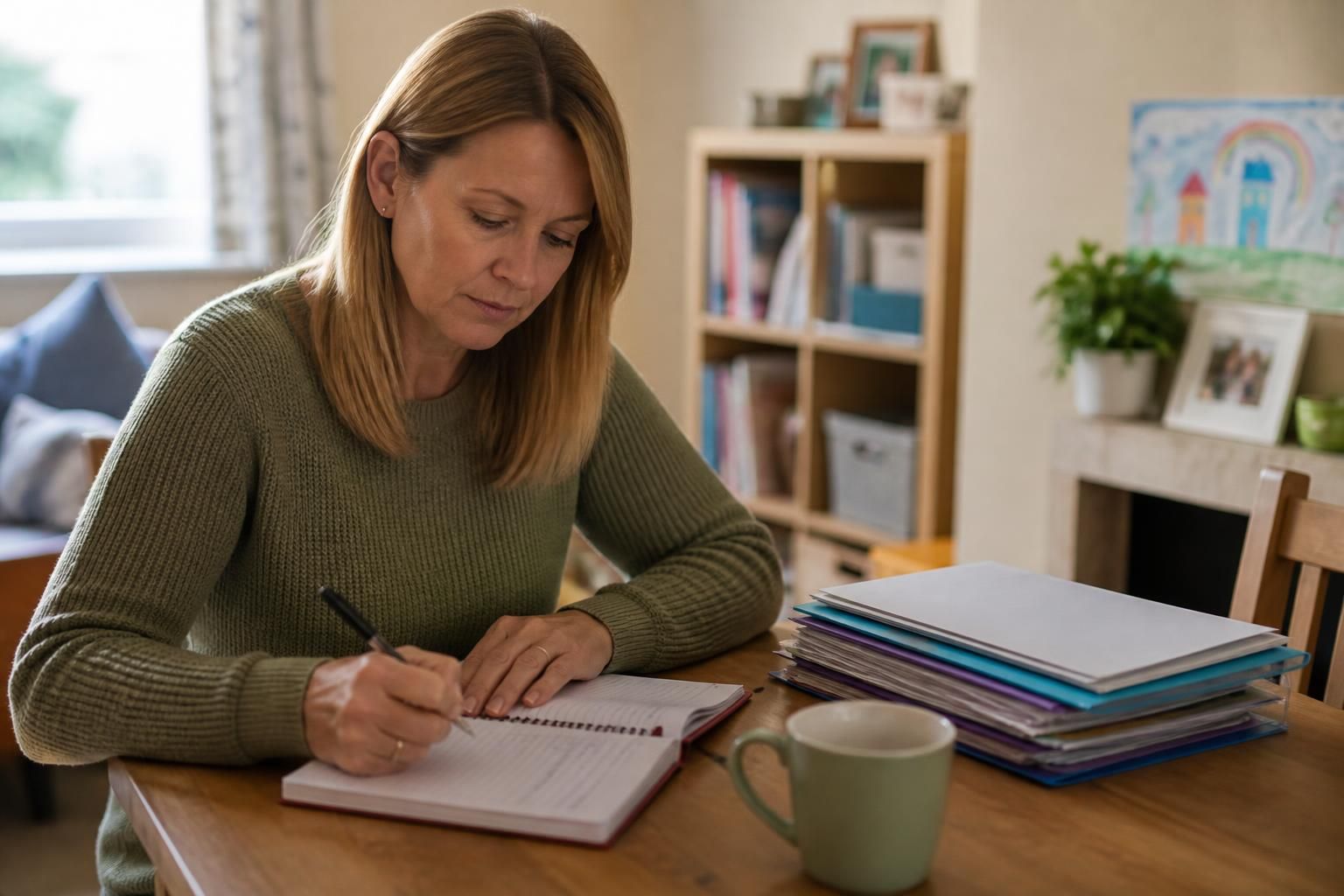
Foster carers should keep accurate, dated records of a child’s care, including daily events, significant conversations, appointments, medication, incidents, education and family contact. These notes provide an important account of the child’s progress and needs, support safe information-sharing with the fostering team and other professionals, and help carers make informed decisions during the placement.
Partnering with an
Ofsted Outstanding Provider
Foster carers should keep contemporaneous, factual and secure records in the format required by their fostering service. Each entry should make clear what happened, when it happened, who was involved, what action was taken and whether anyone else needs to follow it up. Records should be sufficiently detailed for another authorised professional to understand the situation without relying on memory or informal explanations.
Use a consistent recording method
- Write entries as soon as reasonably possible after an event, rather than relying on end-of-week recollection.
- Include the date, time, location and the name or initials of the person making the entry, according to the service’s recording system.
- Separate what you directly saw or heard from information provided by someone else. Introduce reported information with wording such as “the child said” or “the teacher reported”.
- Use the child’s own words when they are important to understanding what was said. Do not change their meaning or present an interpretation as a direct quotation.
- Record actions and outcomes, including who was contacted, what advice was given and what further action was agreed.
- Correct mistakes in the approved way. Do not delete, obscure or rewrite an original entry if the system requires an audit trail.
Records should be objective and respectful. Describe observable behaviour rather than using labels such as “attention-seeking”, “difficult” or “bad”. For example, explain what the child did, what was happening beforehand, how they responded and what helped. Avoid speculation, diagnosis or personal judgements unless clearly identified as a professional opinion from an appropriately qualified person.
Record significant events clearly
Some matters require more than a brief routine entry. Use the fostering service’s incident, safeguarding or concern-reporting procedure when there is an allegation, disclosure, injury, missing episode, serious change in behaviour, damage, conflict or concern about a child’s welfare. Write down the child’s words as accurately as possible, avoid asking leading questions and do not promise to keep information secret. Contact the relevant professional promptly in line with the agreed procedure, then complete the required written record.
A written note should not replace urgent action. If a child or another person may be at immediate risk, follow the emergency and safeguarding instructions provided by the fostering service and local authority. Record the advice received and the steps taken afterwards.
Keep information confidential and secure
- Store paper records in a secure place where visitors, other children and unauthorised household members cannot see them.
- Use only the approved electronic system or storage method. Do not save records to a personal cloud account, shared family device or unapproved messaging service.
- Do not discuss a child’s circumstances on social media or share photographs, screenshots or documents without proper authorisation.
- Share information only with people who are entitled to receive it and only when it is relevant to the child’s care or safety.
- Report lost paperwork, misdirected messages or unauthorised access immediately through the fostering service’s data protection procedure.
Foster carers should follow the service’s instructions about who owns the records, how long they are retained, who may access them and how they must be disposed of. Do not destroy, remove or copy records independently, even if a placement ends. If a child, parent or professional asks to see information, refer the request to the supervising social worker or the designated person responsible for records, as access may need to be managed formally.
Include the child’s perspective
Where appropriate, note the child’s views, preferences and response to decisions affecting them. Use language suitable for the child’s age and understanding, and avoid writing in a way that could shame or blame them. A child may later read their records, so entries should be accurate, proportionate and considerate while still recording concerns honestly.
Review records regularly
Use supervision and placement reviews to check whether recording is complete, relevant and consistent with the care plan. Ask the supervising social worker if you are unsure whether something needs a formal report, how much detail is appropriate or where a particular document should be stored. The fostering service can also explain its templates and any differences between routine notes, formal reports and records that must be shared with other professionals.
Good recording is not about writing down every detail of family life. It is about creating a reliable, proportionate record of information that affects the child’s care, safety, development, relationships and agreed plans. Accurate notes protect the child, help professionals work from the same information and give foster carers a clear account of decisions made during the placement.

A foster placement record should include positive progress and ordinary achievements as well as concerns or incidents. Recording what a child enjoys, manages independently and responds well to helps build a balanced picture of their development and day-to-day experience.
- Note new skills, completed tasks, interests and activities the child chooses.
- Record approaches that help the child feel settled, communicate or manage transitions.
- Include meaningful moments, such as positive relationships, celebrations or increased confidence.
- Link observations to the child’s agreed plans where relevant, without overstating progress or making assumptions.
This information can help the child, foster carer and professionals recognise patterns and identify effective support. It may also contribute to reviews and future planning, so keep the wording specific: describe what happened and how the child responded rather than simply writing that they were “doing well”.
Have questions about keeping placement records?
If you are considering fostering and want to understand how recording works in practice, speak to the Become A Foster Family team about the guidance and training available before applying.