
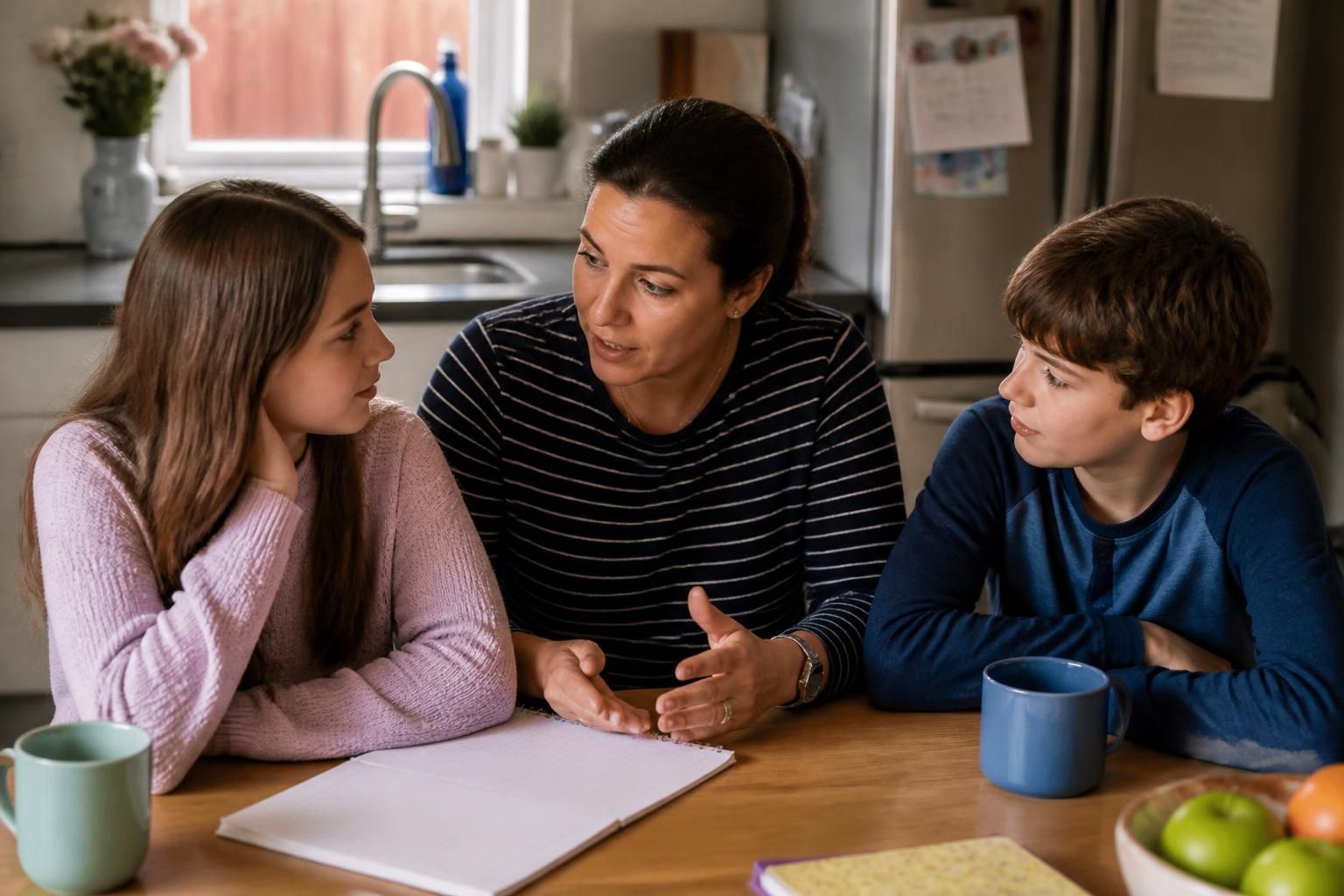
How does safer caring apply to foster carers’ own children?
Safer caring applies to foster carers’ own children by setting clear boundaries, routines and supervision arrangements that protect every child in the household, including birth, adopted or previously fostered children. It should also help your children understand what to expect, how to raise concerns and how their privacy, belongings and relationships will be respected.
Partnering with an
Ofsted Outstanding Provider
Safer caring applies to foster carers’ own children by recognising their needs, rights and experiences within the fostering household. The safer caring plan should explain how fostering may affect them, what part they can reasonably play in family life, and how adults will respond if they feel worried, uncomfortable or affected by a placement.
Fostering changes the household for everyone. A child who is already part of the family may need to share attention, possessions, family activities and personal space with a child who has experienced disruption or trauma. This does not make them responsible for helping the placement succeed. Foster carers remain responsible for care, supervision and decision-making, while their own children should be free to maintain ordinary childhood activities and relationships.
Before approval, the fostering assessment should consider the views and circumstances of the carers’ own children. Their age, understanding, temperament, health, additional needs, school life and relationship with the adults in the household can all be relevant. A child’s views should be sought in a way that is appropriate to their age and communication needs. They should be given honest information about fostering without being shown confidential details about a prospective foster child.
Safer caring arrangements may need to address the following areas:
- Roles within the household: own children should understand that they are not expected to act as babysitters, therapists, translators, disciplinarians or substitute parents. They can have a positive sibling relationship, but involvement should remain voluntary and suitable for their age.
- Personal information: children in the household should know that a foster child’s history and identifying information must not be shared with friends, extended family or online. Equally, their own personal information, photographs and experiences should be treated respectfully.
- Use of belongings and space: the plan should consider which possessions, devices, clothing, rooms and activities are private or shared. Children should know who they can speak to if an item is damaged, mislaid or used without permission.
- Family and peer relationships: arrangements should consider contact with relatives, sleepovers, visiting friends, school routines and attendance at clubs. The foster child’s needs must be considered alongside the existing child’s need for continuity and social connections.
- Physical contact and play: children should be given guidance about what to do if play becomes too rough, a child does not respect personal space, or either child becomes distressed. They should never be expected to manage a difficult interaction alone.
- Digital and social media safety: the household should agree how photographs, messages, gaming, location information and foster-related conversations are handled. Children may need help understanding why they cannot post about a placement, even if they are not naming the foster child.
Communication should be regular, private and two-way. Foster carers can check how their own children are finding the arrangement without asking them to criticise the foster child or disclose information that should remain confidential. Questions such as whether anything feels difficult, whether they are missing activities or whether they need more time with a parent can help identify concerns early.
Children should also know which adults they can approach. This may include a foster carer, supervising social worker, child’s social worker, teacher or another trusted professional, depending on the concern. If an own child discloses that they feel unsafe, pressured or distressed, the carer should listen calmly, avoid making promises about secrecy, make a factual record and follow the agency’s safeguarding procedure. The concern should not be dismissed as ordinary sibling conflict simply because it arose in a family setting.
The plan should allow for the possibility that an arrangement may need to change. A child’s response can be affected by their age, previous family experiences, the foster child’s presentation, changes at school or developments in contact arrangements. Foster carers should raise concerns with their supervising social worker and take part in reviews rather than trying to solve significant difficulties privately. Support may include individual conversations, family meetings, updated guidance or changes to how the household is organised.
Safer caring is therefore not only about managing the foster child’s behaviour. It is also about ensuring that the carers’ own children remain heard, protected and able to live their family and social lives. Their views should continue to inform reviews throughout fostering, particularly when the household’s circumstances change or a new placement is being considered.
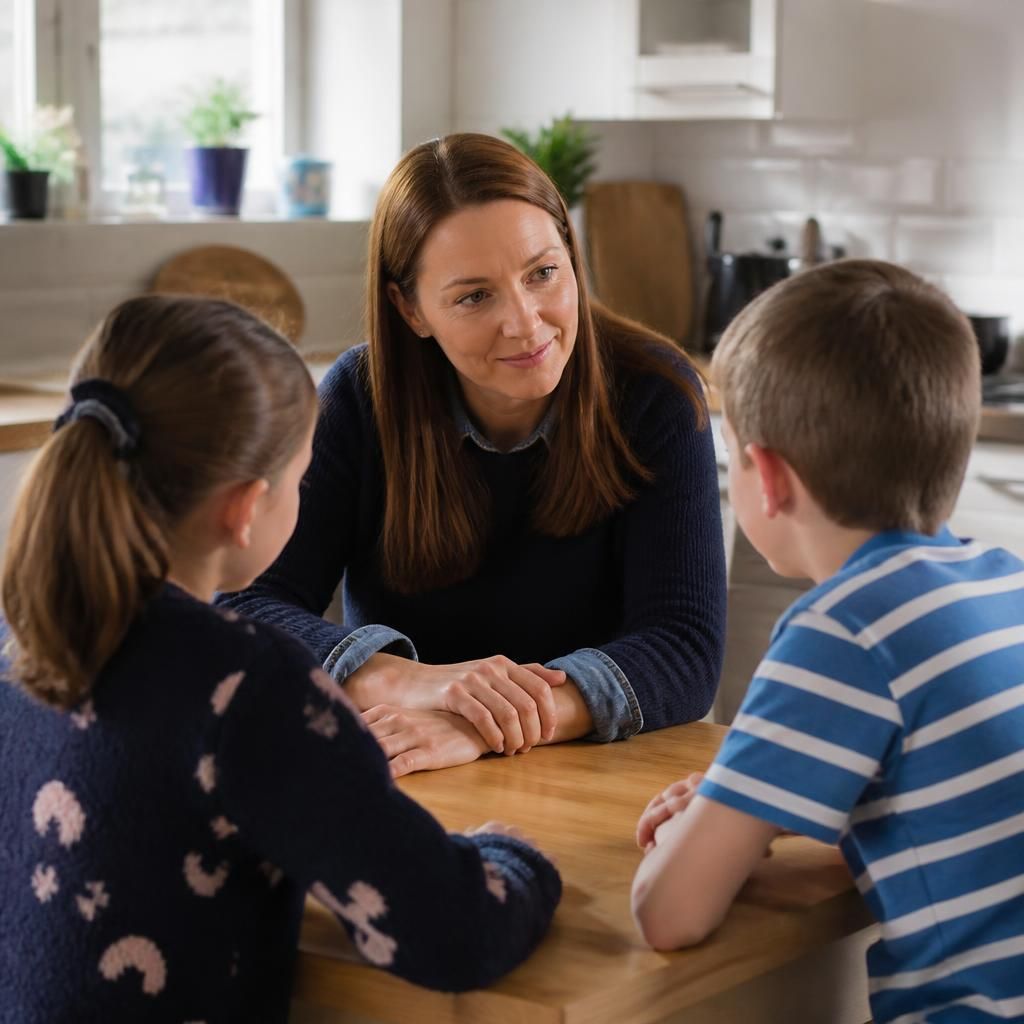
Safer caring should be explained to foster carers’ own children as a household agreement, rather than as a list of restrictions placed on them. The purpose is to make expectations understandable and consistent while recognising that children of different ages will need different explanations.
Foster carers can discuss practical examples in age-appropriate language, such as:
- which areas or belongings are private;
- how to ask before borrowing or joining an activity;
- what information must not be discussed outside the home;
- how to respond if a situation feels confusing or uncomfortable; and
- which adult to speak to without waiting for the problem to become serious.
Checking understanding is important. Younger children may need simple reminders, while teenagers may want to discuss privacy, friendships and online communication in more detail. The guidance should be revisited when circumstances change, so that it remains practical rather than becoming a set of rules that no longer reflects family life.
Ask about safer caring for your own children
If you are considering fostering, contact Become A Foster Family to discuss how safer caring arrangements can reflect your own children’s needs and circumstances.