
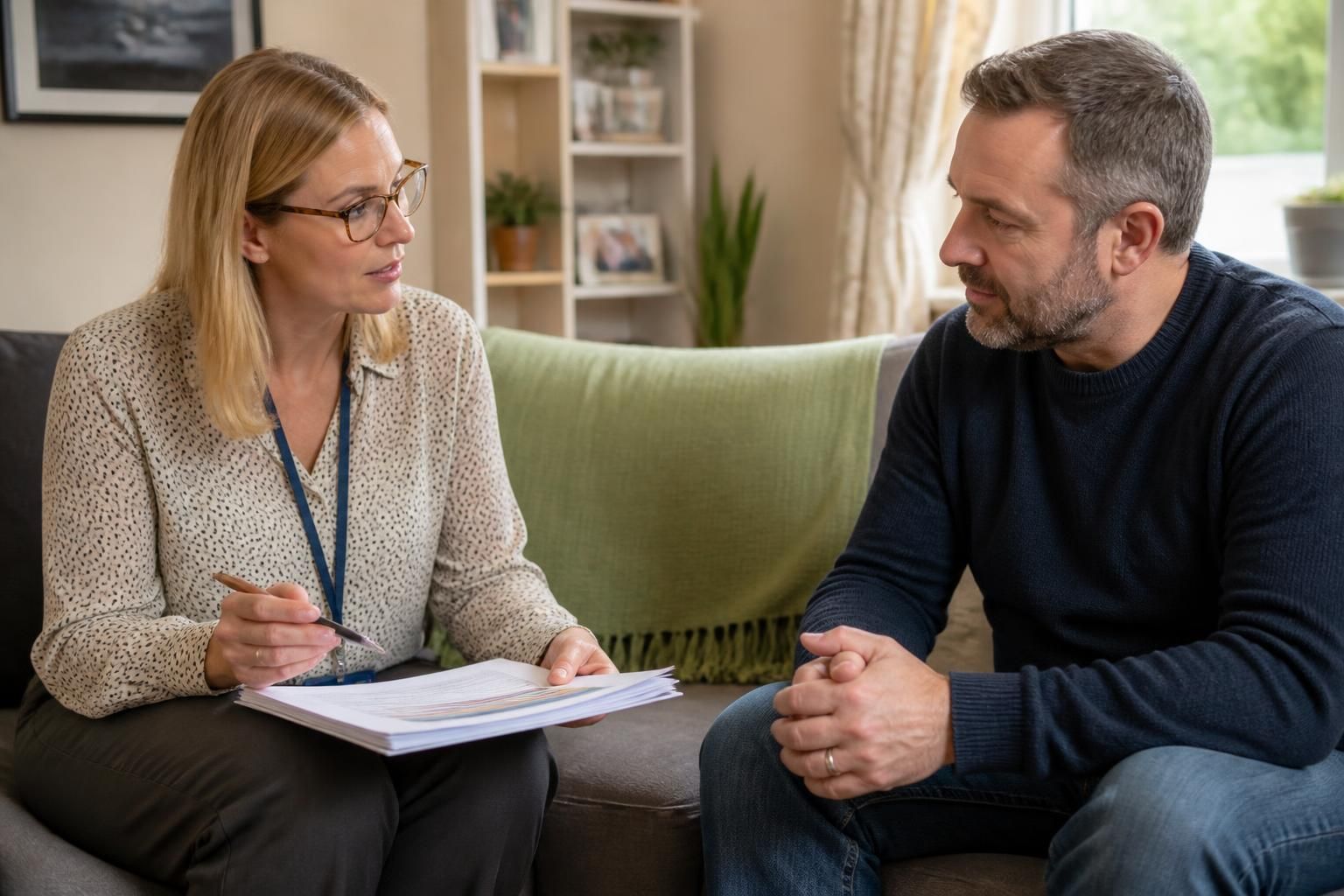
How does safer caring protect foster carers from allegations?
Safer caring protects foster carers from allegations by setting clear boundaries for contact, care and communication, and by making everyday practice open and accountable. It cannot prevent every allegation, but following the agreed plan, recording significant events and reporting concerns promptly can help clarify what happened and demonstrate that care was provided appropriately.
Partnering with an
Ofsted Outstanding Provider
Safer caring protects foster carers from allegations by reducing situations that could be misunderstood, identifying foreseeable risks and providing an agreed way to respond when concerns arise. It is a practical safeguarding framework, not a guarantee that an allegation will never be made or that every concern will be resolved in the carer’s favour.
It makes expectations clear. A safer caring plan sets out how adults should manage personal care, physical contact, privacy, conversations, transport, online communication and one-to-one time. This helps foster carers understand which approaches are appropriate for a particular child and which should be avoided. It also gives everyone involved a shared reference point, rather than leaving important decisions to personal judgement in the moment.
It takes the child’s individual needs into account. A child’s age, history, communication style, additional needs and previous experiences may affect how they respond to care. A routine that is suitable for one child may be confusing, intrusive or unsafe for another. Considering these factors in advance helps carers and professionals agree proportionate arrangements and identify situations requiring extra safeguards.
It reduces avoidable ambiguity. Practical arrangements such as where personal care takes place, who may help with bathing or dressing, how bedroom privacy is maintained, and how physical reassurance is offered should be discussed openly. The aim is not to make family life feel formal; it is to ensure that intimate or potentially sensitive situations are handled consistently and can be explained clearly if later questioned.
It supports accountable decision-making. Foster carers should know who to contact when a situation falls outside the agreed plan. If an unplanned event occurs, the appropriate response is usually to prioritise the child’s safety, seek advice from the supervising social worker or relevant professional, and make a factual record. Asking for guidance is a responsible safeguarding action, not an admission that the carer has done something wrong.
It provides context if a concern is raised. A safer caring plan, supervision discussions, records of significant events and notes showing that advice was sought can help professionals understand the circumstances. Records should distinguish between what was seen or heard, what action was taken and what was reported by someone else. They should not contain speculation, labels or attempts to decide whether an allegation is true.
Foster carers must not investigate an allegation themselves. If a child makes a disclosure or someone raises a concern about care, the carer should listen calmly, avoid leading questions, not promise confidentiality and pass the information on through the agreed safeguarding route. The relevant local authority and fostering professionals decide what enquiries are needed. Trying to obtain further evidence, question the child repeatedly or contact other people involved could affect the safeguarding process.
Openness is important after an incident. A carer should report relevant events promptly through the procedure provided by their fostering service, including accidents, unexpected physical contact, missing episodes, serious disagreements or breaches of the safer caring plan where these may be significant. The exact reporting route should be confirmed during induction and supervision, because responsibilities can vary according to the circumstances.
An allegation can be stressful even when a carer has followed the agreed arrangements. Foster carers should be given information about the process, kept appropriately informed and offered support while enquiries take place. They should cooperate with professionals, maintain the child’s privacy and avoid discussing the allegation on social media or with people who do not need to know.
Safer caring should be reviewed when the child’s needs change, after a significant incident, when household circumstances alter or when an arrangement is proving impractical. Regular review matters because a plan that was suitable at the start of a placement may no longer address new risks. Foster carers should raise uncertainty early with their supervising social worker rather than quietly adapting arrangements without agreement.
Used properly, safer caring protects children by promoting consistent safeguarding and protects foster carers by showing that decisions are considered, agreed and reviewed. It works alongside training, supervision, professional advice and the fostering service’s allegations procedure; it does not replace any of them.

Safer caring can help distinguish a reasonable decision made with the information available at the time from conduct that fell outside agreed practice. Foster carers may need to make quick decisions about comfort, supervision or practical care, so recording the relevant context can show why an action was taken rather than leaving it open to interpretation later.
A useful record should briefly explain:
- what the child needed at that point;
- what action the carer took;
- which safer caring guidance or professional advice informed the decision; and
- whether any follow-up or review was needed.
This approach does not involve writing a defence or trying to prove that a concern is unfounded. It creates a clear, contemporaneous account that professionals can consider alongside the child’s views, other records and any information gathered during enquiries. Foster carers should use the recording format required by their fostering service and ask their supervising social worker if they are unsure what needs to be documented.
Explore how safer caring protects foster carers from allegations
If you are considering fostering, speak to Become a Foster Family to learn how safer caring guidance is explained during assessment and applied throughout your fostering journey.