
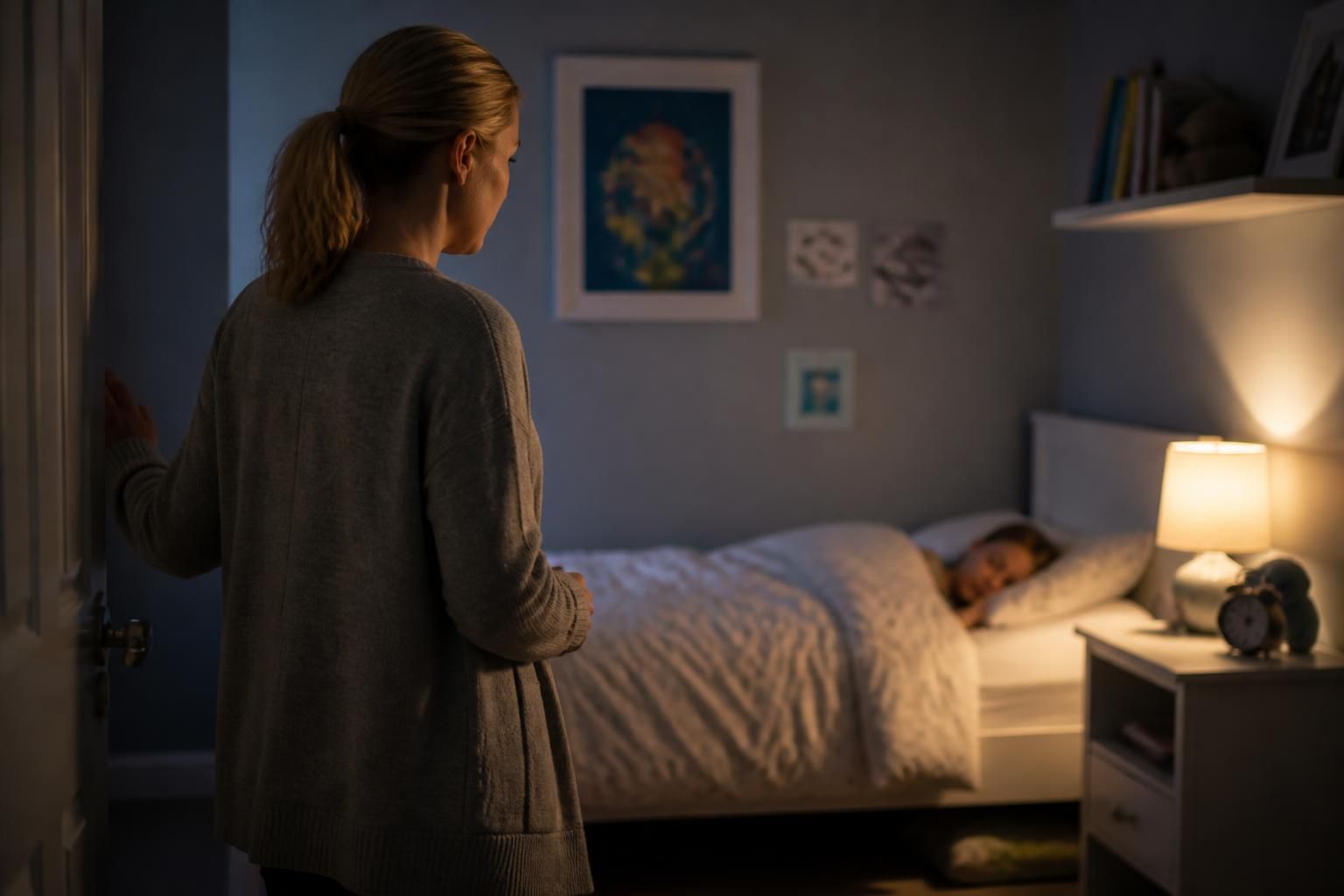
What should safer caring say about overnight care?
Safer caring guidance should explain how overnight care will be managed, including sleeping arrangements, supervision, privacy, personal care and any agreed restrictions on room-sharing or unsupervised contact. It should also set out what foster carers should do if circumstances change, an exception is needed, or the arrangement no longer keeps the child and household safe.
Partnering with an
Ofsted Outstanding Provider
Safer caring guidance for overnight care should set out a child-specific plan for managing night-time risks, maintaining appropriate boundaries and responding consistently if the child’s needs change. It should explain the agreed approach in practical terms, record the reasons for it and identify who must be informed if the plan needs reviewing.
The plan should take account of the individual child. Relevant factors may include their age, understanding, previous experiences, health needs, emotional regulation, communication style and any known risks. A child who is anxious at night, wakes frequently, has difficulty settling or is vulnerable to leaving the home may need different arrangements from another child. The plan should avoid assumptions based solely on age or diagnosis and should reflect the child’s assessed needs.
It should also clarify how ordinary night-time routines will be supported. This may include settling the child, responding to distress, dealing with repeated waking, and helping them access appropriate support without creating unnecessary dependence or blurred boundaries. The approach should promote the child’s dignity and independence while giving foster carers clear guidance about what is expected.
- Night-time risks: identify relevant concerns such as absconding, self-harm, medication needs, illness, nightmares, fire risk or contact with people who are not authorised to provide care.
- Responsibility: state which approved adults may provide overnight care and what information they need before doing so.
- Communication: explain how the child, foster carers and relevant professionals will be told about the agreed arrangements, particularly where the child may find the plan confusing or restrictive.
- Contingencies: describe the agreed response to illness, an emergency, an unexpected absence or a request for an overnight stay away from the foster home.
- Recording: identify what should be recorded after a significant incident, unusual concern or departure from the agreed plan.
Overnight care outside the foster home should be considered separately rather than treated as an informal favour. This can include a visit to relatives, a holiday, a school or activity trip, respite, or staying with another approved carer. Before agreeing to the arrangement, the fostering team should establish who is responsible for the child, whether the setting has been assessed, what information will be shared, how safeguarding concerns will be reported and whether the arrangement is suitable for that particular child.
The guidance should distinguish between planned arrangements and emergencies. A planned overnight arrangement normally needs prior agreement through the relevant fostering procedures. An emergency may require immediate action to keep the child safe, followed by prompt notification, advice and recording. Foster carers should not be left to decide alone whether an unplanned arrangement is acceptable when it could affect safeguarding or the child’s legal or care status.
Children should be given information in a form they can understand. Depending on their age and communication needs, this might involve a direct explanation, visual prompts or checking their understanding over time. Their views should be taken seriously and shared with the appropriate professionals, while making clear that the adults remain responsible for safe decisions. Particular care may be needed where a child has experienced disrupted care, trauma or previous night-time harm.
The plan should be reviewed after a significant incident, a change in the child’s behaviour or health, a change in the household, or any new information about risk. It should also be revisited through normal supervision and review processes rather than becoming a document that is followed without question. Foster carers should ask their supervising social worker or the child’s social worker for clarification if instructions conflict, appear impractical or do not reflect the child’s current circumstances.
A well-written overnight care section therefore gives foster carers a clear framework without attempting to predict every situation. It records the child’s needs, the agreed safeguards, the decision-making process and the route for obtaining advice. That combination supports consistent care while allowing responsible professionals to adjust the arrangement when the child or household’s circumstances change.
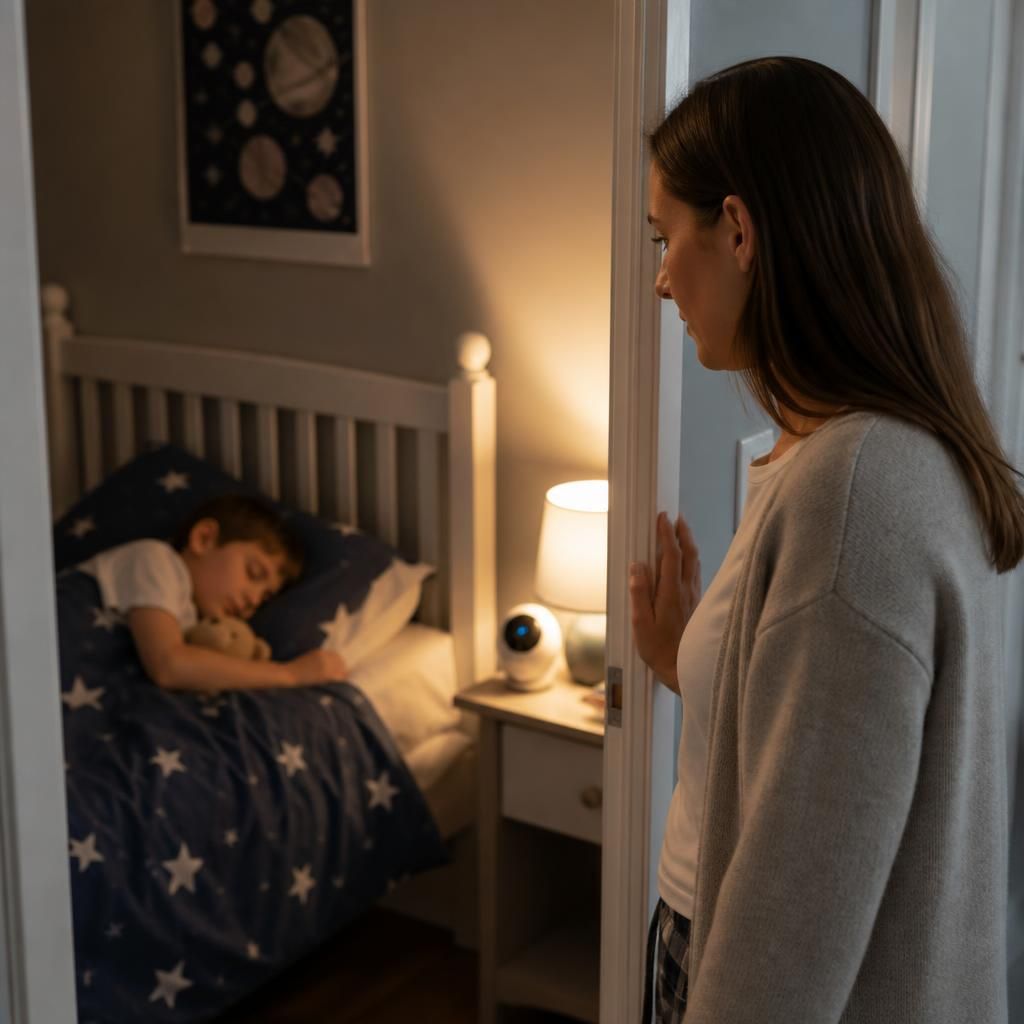
Safer caring guidance should explain whether any electronic monitoring will be used during the night, such as a baby monitor, door alarm or agreed check-in system. The purpose, limits and responsible adult should be clear, and the arrangement should be proportionate to the child’s assessed needs rather than used as a substitute for appropriate care.
Children should be told, in a way they can understand, if a device may hear, see or record them. Foster carers should not introduce covert recording or monitoring without advice and agreement through the relevant fostering procedures. The plan should also consider where equipment is placed, who can access any information and when the arrangement should be reviewed, so that safety measures do not unnecessarily compromise the child’s privacy or dignity.
Get guidance on overnight care plans
If you are considering fostering and want to understand how overnight care plans are developed, contact Become A Foster Family for guidance on the questions to ask before applying.