
Is wellbeing support available for foster carers after a placement ends?
Yes. Foster carers can continue to receive guidance and wellbeing support after a placement ends, including opportunities to reflect on the experience, discuss any concerns with their fostering team and identify further help where needed.
Partnering with an
Ofsted Outstanding Provider
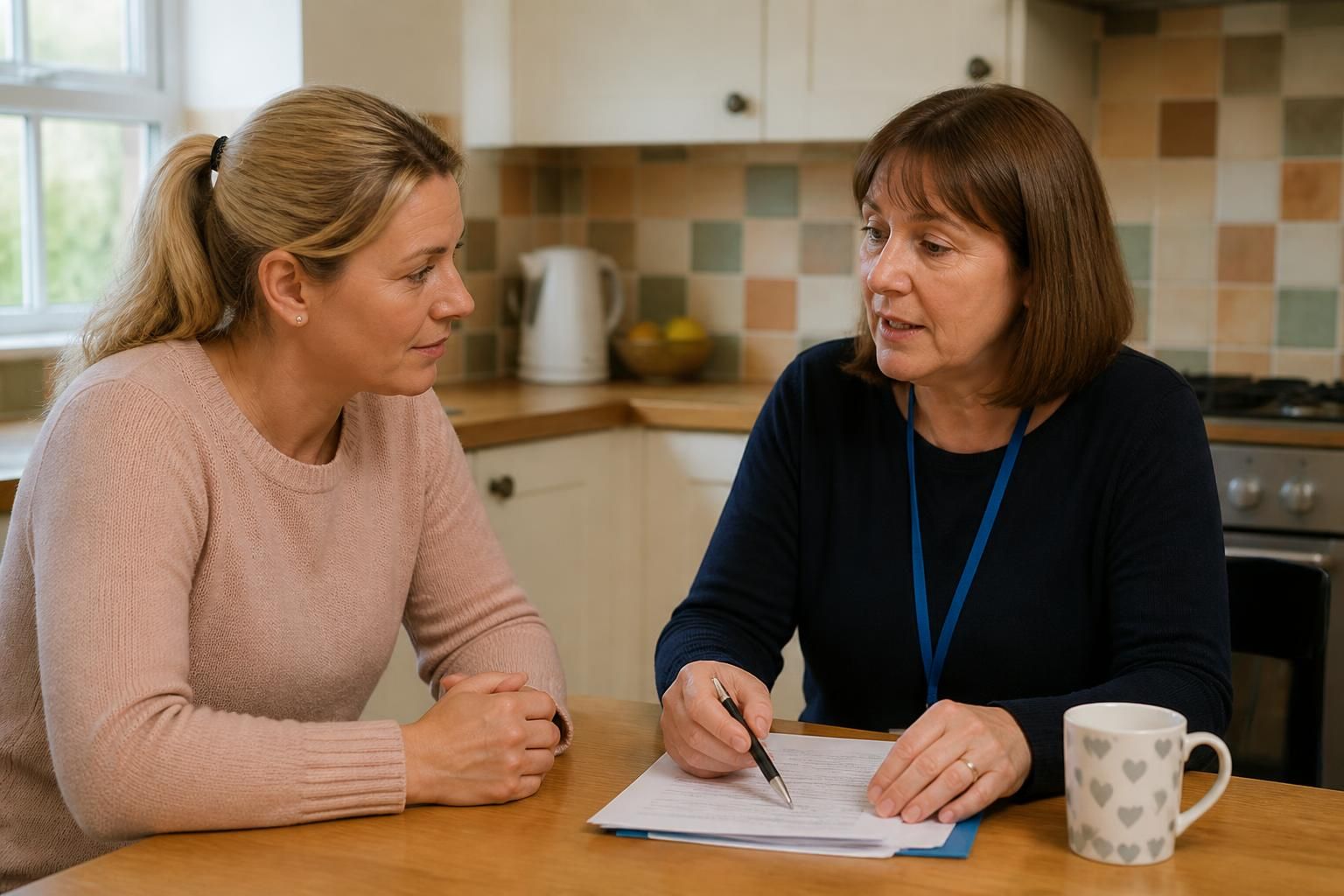
The end of a placement is normally followed by a planned period of review and reflection, rather than an immediate end to all support. Foster carers may have an opportunity to talk through what happened, consider its effect on the household and discuss any further wellbeing help with their fostering team.
Support after a placement can be particularly important because endings affect each member of the household differently. A carer may experience sadness, relief, frustration, worry about the child’s future or uncertainty about fostering again. Other household members, including birth children, may also need space to talk about the change. These reactions do not necessarily mean that a carer is unable to continue fostering; they can indicate that time, understanding and appropriate support are needed.
A post-placement discussion may cover:
- how the placement ended and whether the transition raised any concerns;
- the carer’s emotional and physical wellbeing;
- the effect of the placement on relationships and family routines;
- what went well and what was difficult;
- any incidents, allegations or safeguarding matters that require further explanation or follow-up;
- whether records, reports or other tasks still need to be completed; and
- whether the carer feels ready to consider another placement or would benefit from a pause.
This review should be a constructive opportunity to learn, not simply an assessment of the carer. Honest discussion can help identify patterns of stress, clarify what support would be useful and inform future training or placement planning. If the ending was unexpected, particularly challenging or involved professional concerns, the carer should raise this with their supervising social worker or another appropriate member of the fostering team.
Further wellbeing support may involve additional conversations with the fostering service, a referral or signposting to counselling or therapy, trauma-informed support, peer support, or help from the carer’s GP and other health professionals. The most suitable option depends on the circumstances, the carer’s preferences and the level of need. A fostering team can help the carer understand the available routes and decide what to explore.
Practical steps can also make the period after an ending easier. Carers may find it helpful to:
- allow time to recover before making decisions about a new placement;
- keep regular routines around sleep, meals, exercise and family time;
- talk with household members while respecting the child’s confidentiality;
- write down questions before a review or support meeting;
- continue using agreed coping strategies from their wellbeing plan; and
- seek professional help if distress persists or begins to affect everyday life.
Foster carers should contact their fostering team if they are experiencing persistent low mood, anxiety, intrusive memories, sleep problems, anger, exhaustion, withdrawal from others or difficulty functioning at home or work. Immediate medical help should be sought where there is a serious concern about safety or mental health. Asking for support after a placement is a responsible part of fostering and can help carers make informed decisions about their wellbeing and their next steps.

Wellbeing support may remain relevant after a placement has ended because reactions can develop or become clearer over time, rather than appearing during the final days of the placement. A foster carer may initially focus on practical arrangements and only later notice changes in mood, sleep, concentration or family relationships.
For this reason, it can be useful to keep a brief note of how the household is adjusting and raise emerging concerns at a later supervision discussion. This gives the fostering team a clearer picture than relying only on a single conversation immediately after the child has moved on. It also helps distinguish a short period of adjustment from difficulties that may need more structured support.
Carers do not need to wait until they have decided whether to accept another placement before discussing their wellbeing. Support can help them consider what would make future fostering manageable, such as a gradual return to caring, extra preparation for a particular type of placement or time to regain confidence before continuing.
Discuss your wellbeing after a placement ends
Speak with our fostering team about your wellbeing after a placement ends and discuss the support options that may be appropriate for you and your household.