

What role can exercise play in self-care for foster parents?
Exercise can support self-care for foster parents by helping to regulate stress, improve energy and protect overall physical and emotional wellbeing. Regular movement does not need to be intense or time-consuming; activities such as walking, stretching or cycling can be adapted around fostering responsibilities and personal circumstances.
Partnering with an
Ofsted Outstanding Provider
Exercise can play a practical role in self-care for foster parents by creating protected time for physical activity, supporting emotional regulation and helping maintain a sense of personal identity alongside the responsibilities of fostering. Its value comes less from achieving a particular fitness goal and more from choosing movement that is safe, manageable and realistic within the needs of the household.
Why exercise can be useful in fostering
Fostering can involve appointments, school routines, professional meetings, unexpected changes and the need to respond thoughtfully to a child’s behaviour and emotions. Exercise provides a separate activity with a clear beginning and end. This can create mental space and give a foster parent an opportunity to focus on their own needs rather than remaining in a constant caring role.
Regular movement may also support:
- physical strength and mobility for everyday caring tasks;
- confidence in managing personal health needs;
- a constructive outlet for frustration or tension;
- concentration and the ability to pause before responding to difficult situations;
- a continuing connection with interests and routines that existed before fostering; and
- social contact where activity takes place with a class, club, walking group or trusted friend.
These benefits are not a substitute for professional support, reflective conversations or planned respite. Exercise is one part of a wider self-care approach.
Choosing activity that fits the fostering household
The most suitable form of exercise depends on a foster parent’s health, interests, available support and the child’s needs. Some people prefer an individual activity that gives them quiet time, while others benefit from the structure and social contact of exercising with other people. Useful options may include:
- walking, jogging or cycling on an agreed route;
- home-based strength or mobility exercises;
- swimming or an exercise class;
- gardening, dancing or active household tasks;
- sport or outdoor activities shared with a child where this is appropriate; and
- short movement breaks between appointments or other responsibilities.
An activity does not have to be demanding to count as self-care. The important considerations are whether it is safe, enjoyable enough to repeat and compatible with the placement. A foster parent who dislikes gyms, for example, may find that walking with a friend or following a short home routine is more sustainable.
Making time without creating additional pressure
Self-care can become counterproductive if exercise is treated as another obligation to complete perfectly. A flexible plan is usually more realistic than a rigid schedule. A foster parent might identify several options: a longer activity when the household routine allows it, a shorter session on a busier day and gentle movement when rest is needed.
It can help to consider exercise when planning the week, alongside school commitments, contact arrangements, meetings and household tasks. Where another suitable adult is available, responsibilities may be shared so that the foster parent can attend an activity. The arrangement should be discussed clearly and should not leave a child without approved supervision.
Foster parents may also benefit from separating planned exercise from incidental movement. Walking part of a journey, using stairs where appropriate, stretching after sitting for a long period or playing an active game can all help maintain movement without requiring a separate block of time.
Including a foster child appropriately
Some children may enjoy being active with their foster family, but exercise should not be presented as a test of fitness, appearance or worth. Activities should be suitable for the child’s age, abilities, interests and emotional needs. A child who has experienced instability, loss or trauma may find competitive activities uncomfortable, while another may respond well to predictable outdoor play.
Before including a child, consider supervision, transport, equipment, medical information, clothing, consent and any placement-specific guidance. Foster carers should follow the child’s care plan and seek advice from their supervising social worker where an activity involves particular risks, travel arrangements or another organisation. The foster parent’s own exercise time should also remain legitimate; not every activity needs to involve the child.
Using exercise as a way to notice wellbeing
Exercise can help a foster parent identify patterns in their own wellbeing. Keeping a simple note of mood, tension, motivation and how manageable an activity felt may show whether a routine is supportive or needs adjusting. For example, a high-intensity session may be unsuitable during a period of poor health or significant demands, whereas gentle mobility work or a short walk may be more appropriate.
Exercise should be reduced or paused if it causes pain, dizziness, unusual breathlessness, exhaustion or a worsening of an existing health condition. Anyone returning to activity after illness, injury, pregnancy or a long period of inactivity should obtain appropriate medical advice. A GP or qualified professional can help identify suitable options where there are physical or mental health concerns.
Protecting exercise time from guilt
Foster parents can feel that their own activities are less important than a child’s immediate needs. However, meeting personal health needs is not the same as neglecting a placement. A planned, safe period of exercise can be part of maintaining the capacity to provide consistent care. It is still important to respond to genuine needs, follow agreed supervision arrangements and adjust plans when circumstances require it.
Discussing exercise as part of a wider self-care plan with a supervising social worker can be useful, particularly if a foster parent is struggling to find time, feels guilty about leaving the home or is becoming physically depleted. The conversation can help identify practical support, suitable boundaries and ways to keep the plan consistent with the child’s care arrangements.
A realistic approach
A helpful exercise plan for a foster parent is specific but adaptable. It might identify an activity, a suitable place, the supervision arrangement, a back-up option and the signs that the plan needs changing. Progress should be measured by whether the activity supports wellbeing and can be maintained, not by distance, speed or appearance.
In this context, exercise is most effective when it is treated as a personal health routine rather than a performance target. Small, repeatable choices can sit alongside other forms of self-care, including peer support, reflective practice, professional conversations and respite. Together, these approaches help foster parents look after themselves while continuing to meet the needs of the children in their care.
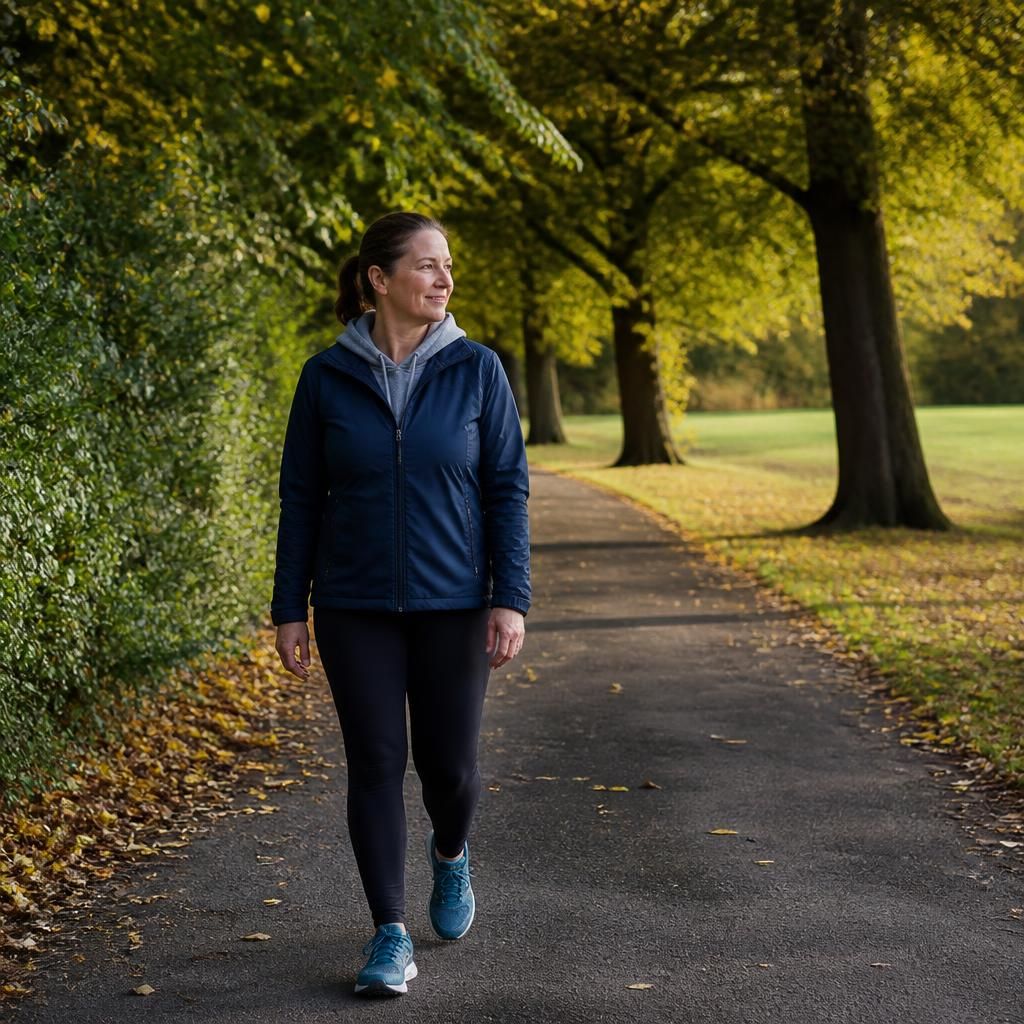
Exercise for foster parents should be accessible to the individual, rather than based on a standard idea of fitness. A disability, chronic health condition, medication, injury, sensory preference or limited mobility may affect which activities are suitable. Self-care can still include gentle stretching, chair-based movement, breathing-led mobility work, water-based activity or a short walk, provided it is appropriate for the person’s health.
It is also important to choose an activity that feels comfortable and practical. Some foster parents may prefer exercising at home, while others may value a familiar class or an outdoor routine. Comfortable clothing, privacy, transport and the availability of suitable facilities can all affect whether an activity is realistic. If exercise causes pain, distress or excessive fatigue, the routine should be adapted rather than treated as a test of commitment.
Where health or access needs are complex, a GP or suitably qualified professional can help identify safe options. The purpose is to support daily wellbeing in a way that respects the foster parent’s body, circumstances and preferences.
Discuss self-care and fostering with our team
Speak with our team to discuss how self-care can fit alongside fostering and ask practical questions about the support available throughout your fostering journey.