
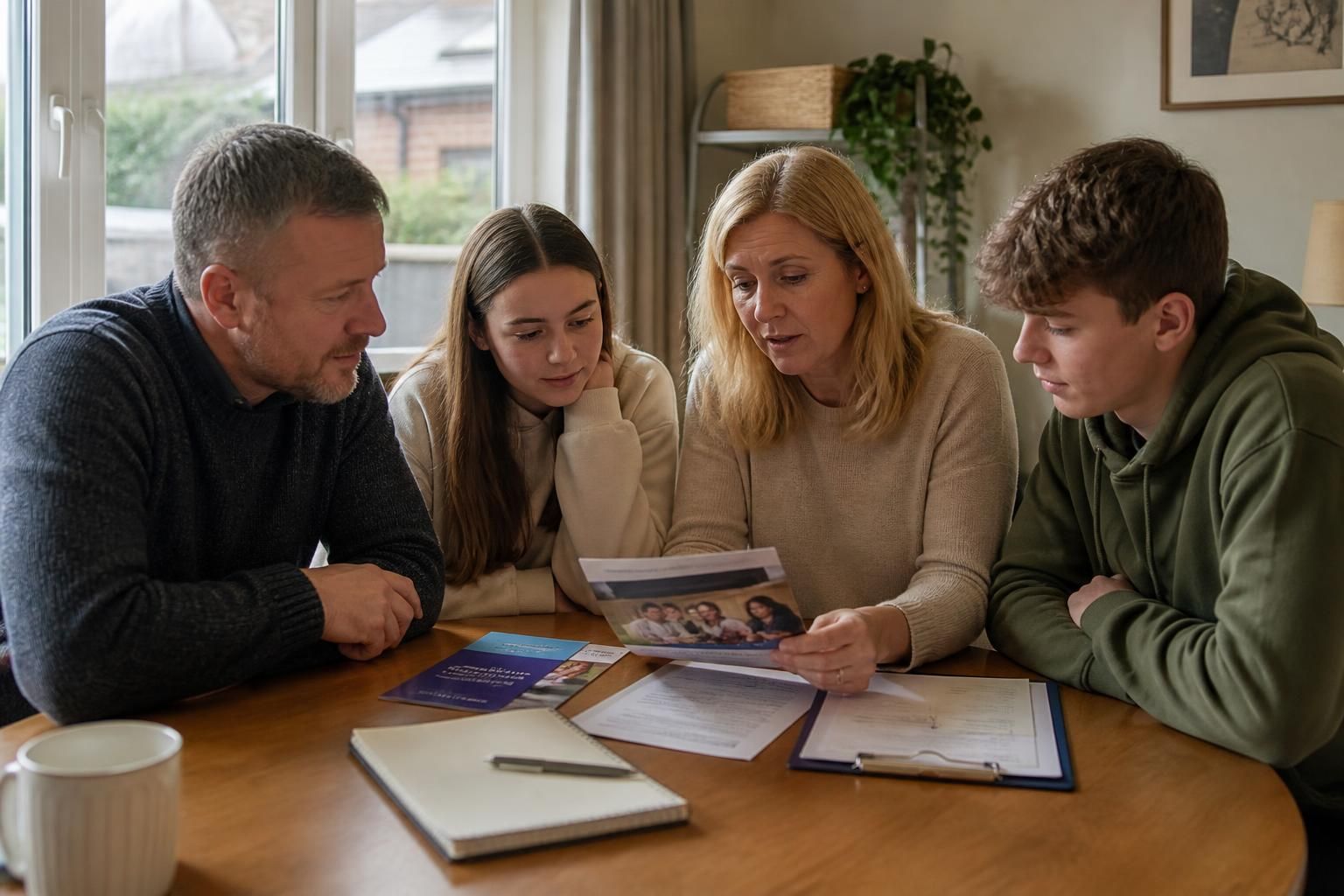
Can safe foster care training help my family assess its readiness to foster?
Yes. Safe foster care training can help your family assess its readiness by explaining the responsibilities, safeguarding expectations and potential impact of fostering on household relationships and routines.
It gives each family member an opportunity to consider their role, identify questions or concerns, and decide what further preparation or support may be needed before applying.
Partnering with an
Ofsted Outstanding Provider
Safe foster care training is a structured opportunity to test whether your household has the understanding, capacity and willingness needed for fostering before you proceed further. It cannot decide whether your family will be approved, but it can help you examine the practical and personal demands of fostering in a more informed way.
It helps your family move from general interest to realistic self-assessment. Rather than considering fostering only in broad terms, you can explore the situations foster carers may face and think about how your household would respond. This may include managing uncertainty, supporting a child whose experiences affect their behaviour, working with professionals, respecting confidentiality and responding appropriately to safeguarding concerns.
Training can also reveal whether family members have a shared understanding of what fostering involves. A household does not need to have identical views at the outset, but important differences should be recognised and discussed. For example, one person may be focused on helping children, while another may be more concerned about privacy, boundaries or the effect on existing children. Identifying these differences early gives the family time to ask questions and consider whether they can work through them.
Useful areas for your family to assess include:
- whether everyone understands that fostering is a regulated responsibility rather than simply having a child stay in the home;
- how household members might respond to professional involvement, records, meetings and agreed care plans;
- whether adults can maintain consistent boundaries while remaining patient and responsive to a child’s individual needs;
- how existing children or other household members may feel about sharing attention, space and personal information;
- whether the household can protect a foster child’s privacy and avoid making assumptions about their history;
- how the family would manage disagreements and seek advice instead of trying to resolve complex concerns alone; and
- whether everyone is prepared to keep learning after approval, as fostering requires ongoing development.
Some training activities use scenarios, discussion or reflection questions. These are valuable because they allow family members to compare their initial reactions and consider alternative responses. A scenario involving a child becoming distressed, refusing a routine or making an allegation can prompt discussion about calm communication, recording information accurately and contacting the appropriate professional. The purpose is not to expect perfect answers. It is to identify attitudes, assumptions and areas where more guidance is needed.
Training should be treated as an assessment tool, not a pass-or-fail test. Feeling uncertain about a scenario does not automatically mean that your family is unsuitable. Fostering preparation is designed to develop understanding, and asking for clarification is often more useful than trying to appear completely confident. Conversely, training may show that your household needs more time, further information or a change in circumstances before applying. Recognising this is a responsible outcome, not a failure.
Readiness also involves practical eligibility and suitability matters that training alone cannot confirm. The formal fostering assessment considers factors such as household circumstances, health, accommodation, personal history, references and the needs of children who may be placed. The agency will explain the relevant requirements and assess your circumstances individually. Training can help you prepare questions about these matters, but attendance does not guarantee approval.
After completing training, it is useful for the household to review what it has learned together. Each person could identify what they understand, what concerns remain and what information they need before deciding whether to apply. You may also wish to discuss which support networks could be available to you, how relatives or close friends might understand the commitment, and what practical arrangements would need further consideration.
If training raises concerns, speak openly with the fostering team rather than treating them as reasons to stop without discussion. Regional staff can explain the assessment process, clarify expectations and identify suitable next steps. Become a Foster Family supports prospective carers across the West Midlands, including Birmingham, Worcestershire, Staffordshire, Dudley, Sandwell, Herefordshire, Telford, Wolverhampton, Shropshire, Walsall, Warwickshire, Stoke, Solihull, Coventry and Gloucestershire, with offices in Droitwich and Stoke and staff located throughout the region.
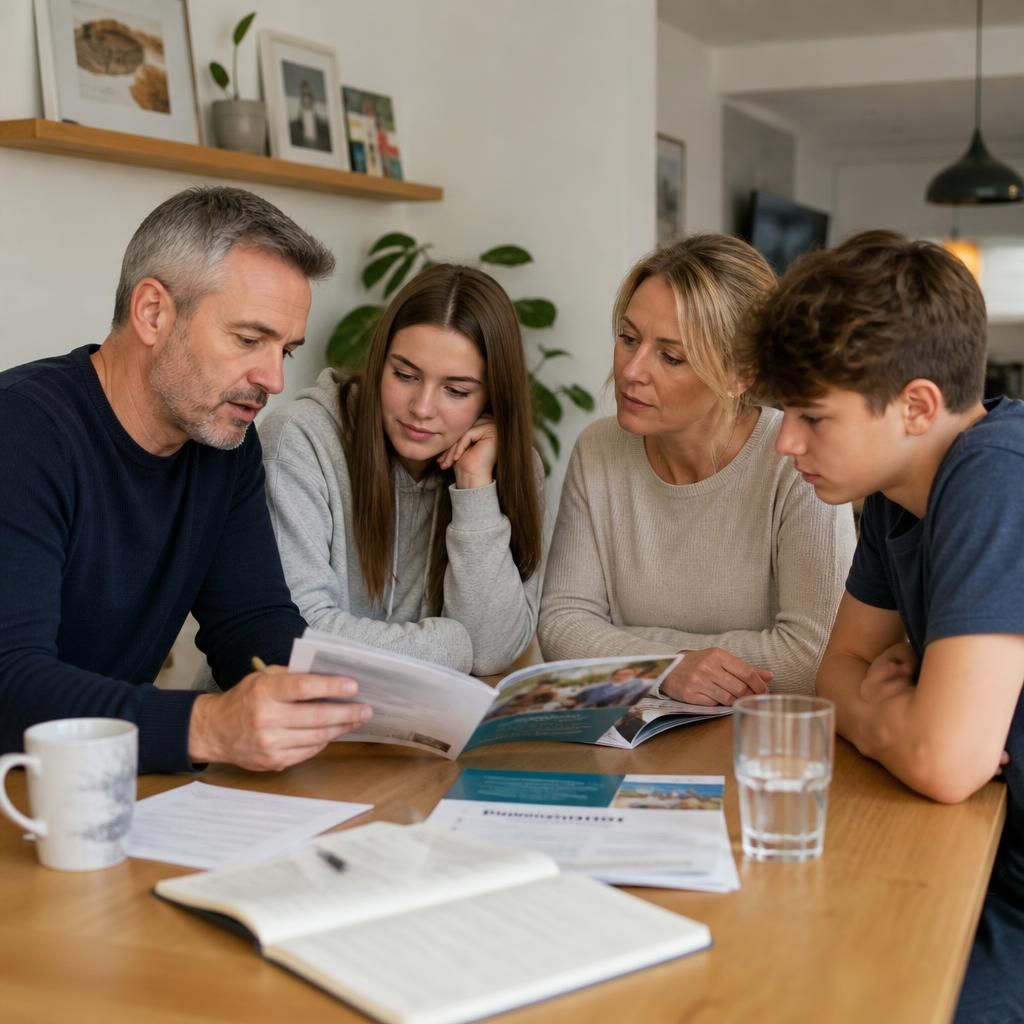
Safe foster care training can help your family assess not only whether fostering is suitable, but whether the timing is right. A household may understand the role and want to proceed, yet still need to consider current demands such as a house move, major work changes, examinations, health needs or other caring responsibilities. These circumstances do not automatically prevent fostering, but they may affect the capacity available for a child who needs consistency and attention.
Use the training to distinguish between questions about suitability and questions about timing. If your circumstances are changing, discuss whether it would be more sensible to gather information now and apply later, or whether practical adjustments could create enough stability to move forward. This gives your family a clearer basis for deciding its next step, rather than treating interest in fostering as an obligation to apply immediately.
Discuss your family’s readiness to foster
Discuss your family’s readiness with Become a Foster Family’s fostering team to clarify any remaining questions and understand the next stage if you decide to apply.