

What does therapeutic foster training online teach about cultural diversity?
Therapeutic foster training online teaches how culture, ethnicity, religion, language, family traditions and identity can shape a child’s experiences and sense of belonging. It helps foster carers provide inclusive, respectful care by recognising individual differences, challenging assumptions and supporting children to maintain meaningful links with their heritage.
Partnering with an
Ofsted Outstanding Provider
Therapeutic foster training online teaches carers to include a child’s cultural identity in their understanding of behaviour, relationships and emotional needs. It explains that culture is not an additional consideration after therapeutic care has been planned; it can affect how a child communicates distress, responds to adults, understands privacy and trust, and experiences safety within the foster home.
The training usually helps carers move beyond broad labels and find out what matters to the individual child. This may include their preferred name and pronunciation, family roles, important celebrations, religious observance, food practices, clothing, personal care, music, friendships and links with their community. A child may have more than one cultural identity, and their views may change as they develop. Carers are therefore encouraged to ask respectful questions rather than make assumptions based on ethnicity, nationality, appearance or family background.
A therapeutic approach also considers how a child’s past experiences may affect their connection with culture. Some children in care may have experienced racism, rejection, displacement, religious prejudice or pressure to hide part of themselves. Others may feel conflicted about their identity because of family circumstances or previous placements. Training can help carers recognise that anger, withdrawal, shame or reluctance to discuss heritage may be signs of distress, rather than evidence that a child is uninterested in their background.
Online learning commonly covers practical ways to make daily care inclusive. These can include:
- checking that personal-care products, hair care and skin care are suitable for the child;
- learning how to prepare or obtain familiar foods while respecting dietary, religious or medical requirements;
- making space for appropriate prayer, worship, festivals or other observances;
- helping the child access books, films, music, clothing and activities that reflect their identity without treating them as a display of diversity;
- supporting safe contact with relatives, friends, community groups and cultural networks where this forms part of the child’s plan; and
- agreeing with the child how their identity should be discussed with others, including school staff and visitors.
The course should also address communication. A child who uses another language, has a regional dialect or communicates differently may need careful support to express preferences and feelings. Carers learn to check understanding, avoid relying on children to interpret sensitive information for adults, and involve suitable language support when required. They may also consider non-verbal communication, because eye contact, touch, physical distance and direct questioning do not have the same meaning in every family or community.
Cultural awareness is not a substitute for safeguarding or professional assessment. Training explains that practices should be considered in context: a difference in behaviour or belief is not automatically a risk, but cultural explanations must not be used to excuse harm. Carers need to follow the child’s care plan, record relevant observations and raise concerns with the supervising social worker or other professionals. The same principle applies when a child’s wishes, family traditions and safety needs appear to conflict.
Another important topic is anti-discriminatory care. Carers may learn how to respond when a child reports racist or religious abuse, hears stereotyping at school, or encounters insensitive comments from relatives or professionals. A useful response involves listening, taking the report seriously, recording what happened, following safeguarding procedures and helping the child understand that responsibility lies with the person who caused the harm. Therapeutic care also means considering how repeated discrimination may influence a child’s confidence, behaviour and willingness to trust adults.
Reflective exercises can help prospective carers examine their own assumptions and identify areas where they need further learning. This is not about expecting carers to know every tradition or represent a child’s whole community. It is about remaining curious, being prepared to seek advice, accepting correction and adapting care in partnership with the child and relevant professionals. The child’s voice should remain central, particularly where adults hold different views about identity or cultural practice.
For a household considering fostering, the key lesson is that inclusive therapeutic care is shown through consistent decisions, not occasional themed activities. Online training can provide the principles and examples, while the child’s care plan, personal history and professional network guide their individual care. Carers should be able to explain how they will protect a child from discrimination, support their identity in ordinary routines and respond sensitively when culture forms part of an emotional or safeguarding concern.
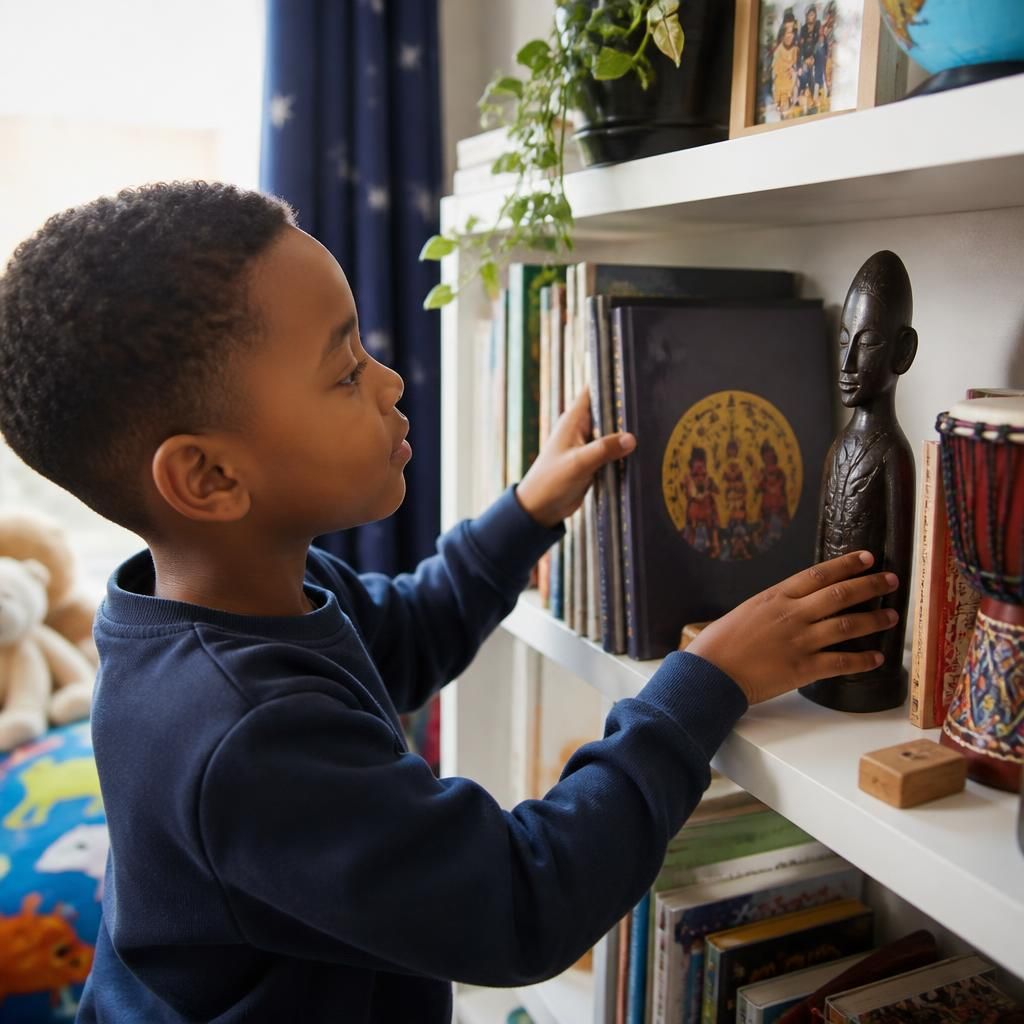
Therapeutic foster training online can teach carers how cultural identity may be explored through life-story work. This involves helping a child make sense of their family history, relationships, beliefs and different parts of their identity without pressuring them to choose one background or provide explanations before they are ready.
Training may encourage carers to use the child’s own words, check that records describe identity accurately and revisit conversations as the child grows. It can also explain how to distinguish between what the child has said, what adults have observed and what remains uncertain. This careful approach reduces the risk of imposing an adult interpretation and helps the child take part in decisions about how their culture and identity are represented.
Find out more about therapeutic foster training online
If you are considering fostering, explore therapeutic foster training online to understand how cultural diversity is addressed in day-to-day care. You can also speak with our fostering team about the training, assessment process and support available to prospective carers.