
What resources help kinship carers support a child’s emotional wellbeing?
Resources that support a child’s emotional wellbeing include therapeutic parenting guidance, advice on attachment and trauma, age-appropriate books, emotion cards, and life-story work materials. Use them alongside guidance from the child’s social worker, school or health professionals to understand their needs, support emotional expression and create consistent, reassuring routines.
Partnering with an
Ofsted Outstanding Provider
Resources for supporting a kinship child’s emotional wellbeing should help carers understand the child’s experiences, recognise changes in behaviour, respond calmly and consistently, and work with professionals on an appropriate plan. The most useful resource set combines practical guidance for adults, tools the child can use to communicate feelings, information about the child’s history and identity, and clear advice on when to seek specialist help.
Start with a shared understanding of the child’s needs. Ask the child’s social worker what information can be shared about their previous experiences, relationships, health, education and known triggers. A written care plan, placement plan or education and health information may explain the support already agreed. These documents can help carers avoid making assumptions about behaviour and identify approaches that professionals consider suitable.
Keep a confidential record of significant changes, including sleep, eating, attendance, mood, friendships, physical complaints and reactions to contact or transitions. Record what happened before an incident, how the child responded and what helped afterwards. This is not intended to label the child. It gives carers and professionals a clearer picture of patterns and helps them review whether support is working.
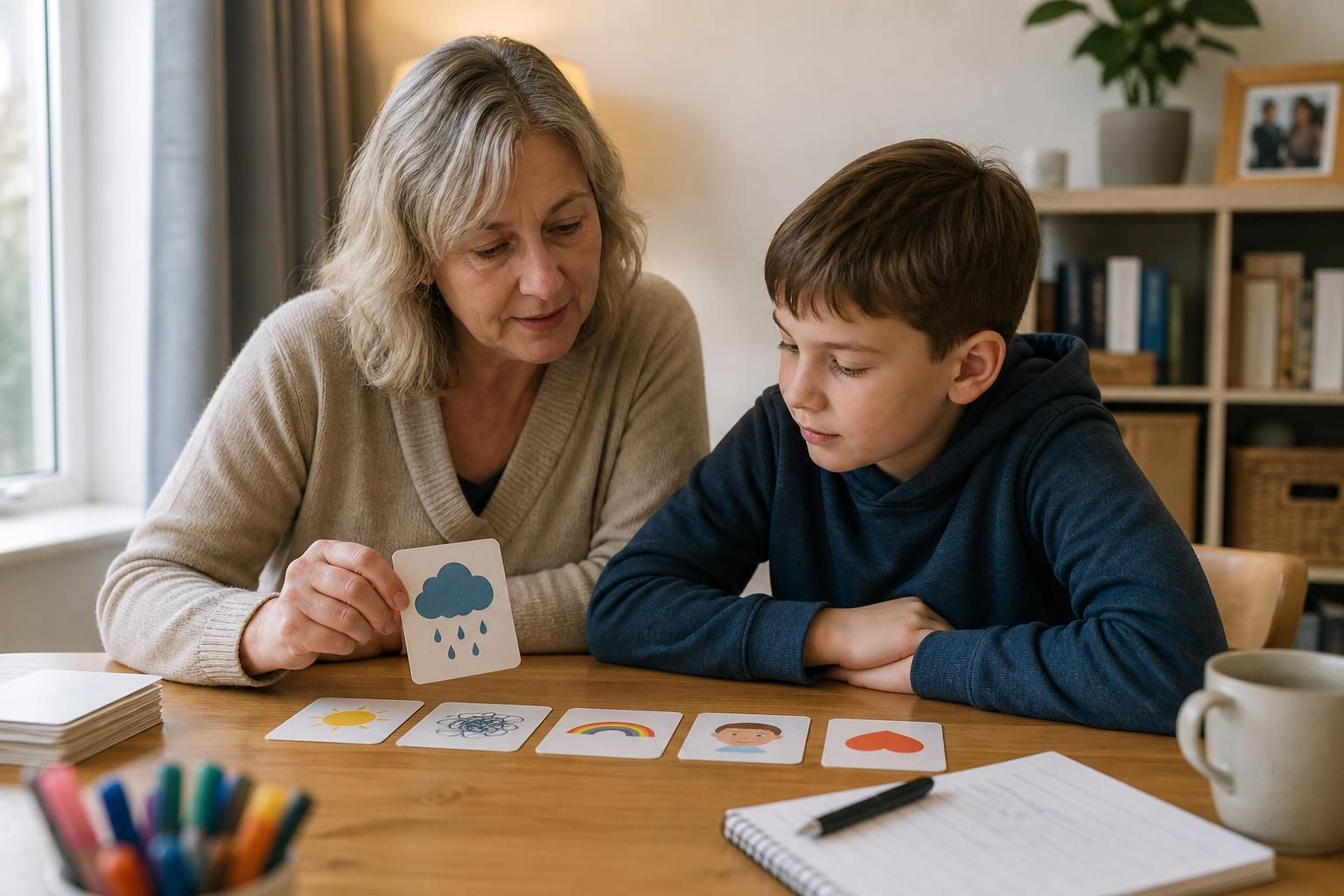
Choose resources that build emotional literacy. Children may communicate distress through withdrawal, anger, physical symptoms, risk-taking or changes in play rather than by explaining how they feel. Useful resources can include:
- simple feeling scales that allow a child to show the intensity of an emotion;
- body-mapping activities that explore how worry, fear or anger feel physically;
- worksheets that help a child identify triggers, helpful adults and calming choices;
- creative activities such as drawing, music, movement or play, particularly where direct conversation feels difficult;
- short, neutral prompts for talking about school, contact, friendships and changes at home; and
- individual coping plans written in language the child understands.
Introduce one tool at a time and allow the child to choose whether to use it. A resource should support communication, not become a test or require the child to disclose personal information before they are ready. For younger children, use concrete language and pictures. Older children may prefer private journalling, phone-based tools approved by their carers, or conversations while walking or doing an activity.
Use trauma-informed parenting guidance carefully. Resources based on attachment, regulation and therapeutic parenting can help carers consider what may be behind a child’s response and how to reduce shame. They often encourage adults to prioritise connection, predictable boundaries, calm communication and repair after conflict. These approaches should not be used to excuse behaviour that places someone at risk, nor should they replace an assessment by a qualified professional.
When a child becomes distressed, an immediate aim is to reduce stimulation and help them regain a sense of safety. Speak slowly, use short sentences, offer limited choices and avoid lengthy questioning during the incident. Afterwards, when the child is settled, discuss what happened without demanding an apology or detailed explanation. A resource is useful when it gives carers practical examples of what to say and do at each stage, rather than only describing theory.
Support identity and belonging. Emotional wellbeing is closely connected to a child’s sense of who they are and where they fit. Resources should reflect the child’s age, culture, ethnicity, religion, language, disability, sexuality and family relationships where relevant. Information about the child’s community, important places, traditions and safe family connections can help carers protect continuity and avoid treating difference as a problem.
Life-story work may be appropriate, but it needs to be paced around the child’s understanding and emotional readiness. Significant information about birth family, separation or earlier experiences should be handled with the social worker or another suitable professional. Do not use photographs, documents or family stories in a way that removes the child’s privacy or pressures them to talk.
Include school and health resources. The child’s school may provide pastoral support, a designated teacher for children in care, a special educational needs coordinator or access to a school counsellor. Ask how emotional concerns are recorded, who the main contact is and how information will be shared. Consistent language between home and school can make it easier to notice changes and respond before difficulties escalate.
Health professionals can help distinguish emotional distress from physical or developmental concerns. Speak to the child’s GP or the relevant health professional if symptoms persist, interfere with daily life or cause concern. Specialist children’s mental health services may be appropriate in some circumstances, but referral routes and eligibility vary. The child’s social worker can explain the available pathway and how it fits with existing plans.
Check every resource before using it. Prefer material that identifies its author, evidence base, intended age range and limitations. Check when it was published or reviewed, whether it reflects current safeguarding practice, and whether it is suitable for the child’s developmental level. Be cautious of resources that promise a rapid change, present one parenting method as suitable for every child, encourage carers to diagnose conditions themselves or advise reducing professional involvement.
Discuss online material with the child’s social worker, school or health professional where it relates to trauma, self-harm, eating difficulties, abuse or other serious concerns. Online forums can offer shared experiences, but personal accounts are not a substitute for professional guidance and may not reflect the child’s circumstances. Protect the child’s confidentiality by avoiding identifiable details in public groups.
Build the carer’s support around the child’s wellbeing. Guidance for kinship carers should include ways to manage their own stress, seek advice after difficult incidents and agree consistent responses with other adults in the household. Carers who understand their own limits are better placed to notice when they need additional help rather than trying to manage complex distress alone. Keep the child’s social worker informed about significant changes, repeated incidents, concerns about contact or any deterioration in emotional wellbeing.
Seek professional advice promptly if the child talks about wanting to die, harming themselves or harming someone else, experiences serious abuse or neglect, goes missing, or cannot be kept safe. In an immediate emergency, contact emergency services. For less urgent but persistent concerns, use the child’s agreed professional network and ask for the support plan to be reviewed.
The best resource is therefore not a single workbook or website. It is a coordinated set of trustworthy information, communication tools, identity-supporting materials, professional advice and review arrangements that are adapted to the individual child. Revisit the resources as the child develops, their circumstances change and they become more able to express what support feels useful.
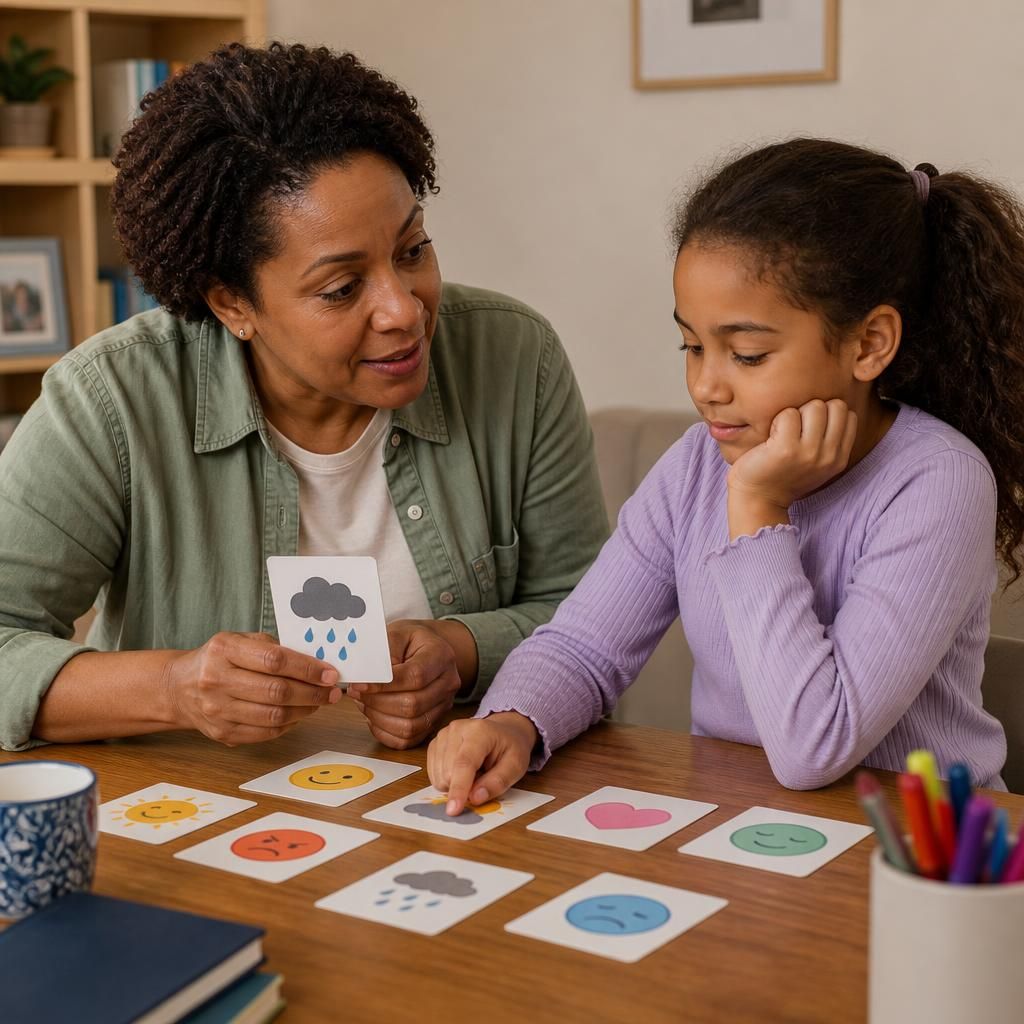
Resources for contact-related emotions help a child prepare for time with family members, manage transitions and communicate how they felt afterwards. A simple, child-centred set might include a visual calendar, a neutral explanation of what will happen, a comfort item, and a way to share feelings without being asked to choose sides.
- Use clear, factual language about plans, including who will be there and any known changes.
- Offer a familiar activity or object for the journey and the period immediately before or after contact.
- Allow the child to communicate through drawing, play, symbols or a short check-in rather than expecting a detailed conversation.
- Record practical observations, such as changes in sleep, appetite or behaviour, and share relevant concerns through the agreed professional arrangements.
These resources should support the contact plan, not replace professional decisions about arrangements or safety. Avoid coaching a child about what to say, questioning them repeatedly or treating their reactions as evidence without context. Ask the social worker which information can be shared and how the child’s views should be recorded and reviewed.
Talk to our fostering team about supporting a child’s emotional wellbeing
Talk to our fostering team about how to support a child’s emotional wellbeing and identify the guidance, training and professional support that may be relevant to your circumstances.