
Do I need to buy extra equipment before fostering?
You do not usually need to buy all the equipment before fostering. Your fostering agency will discuss what is needed for the child’s age, needs and placement, and advise you on essential items before you make major purchases.
Partnering with an
Ofsted Outstanding Provider
You do not normally need to buy a complete set of foster-care equipment before approval. The items required will depend on the age, development, health, routines and circumstances of the child placed with you, as well as the equipment you already have at home. Your agency will assess your household and explain which essentials should be in place before a placement begins.
Equipment you may need to consider
Common examples include:
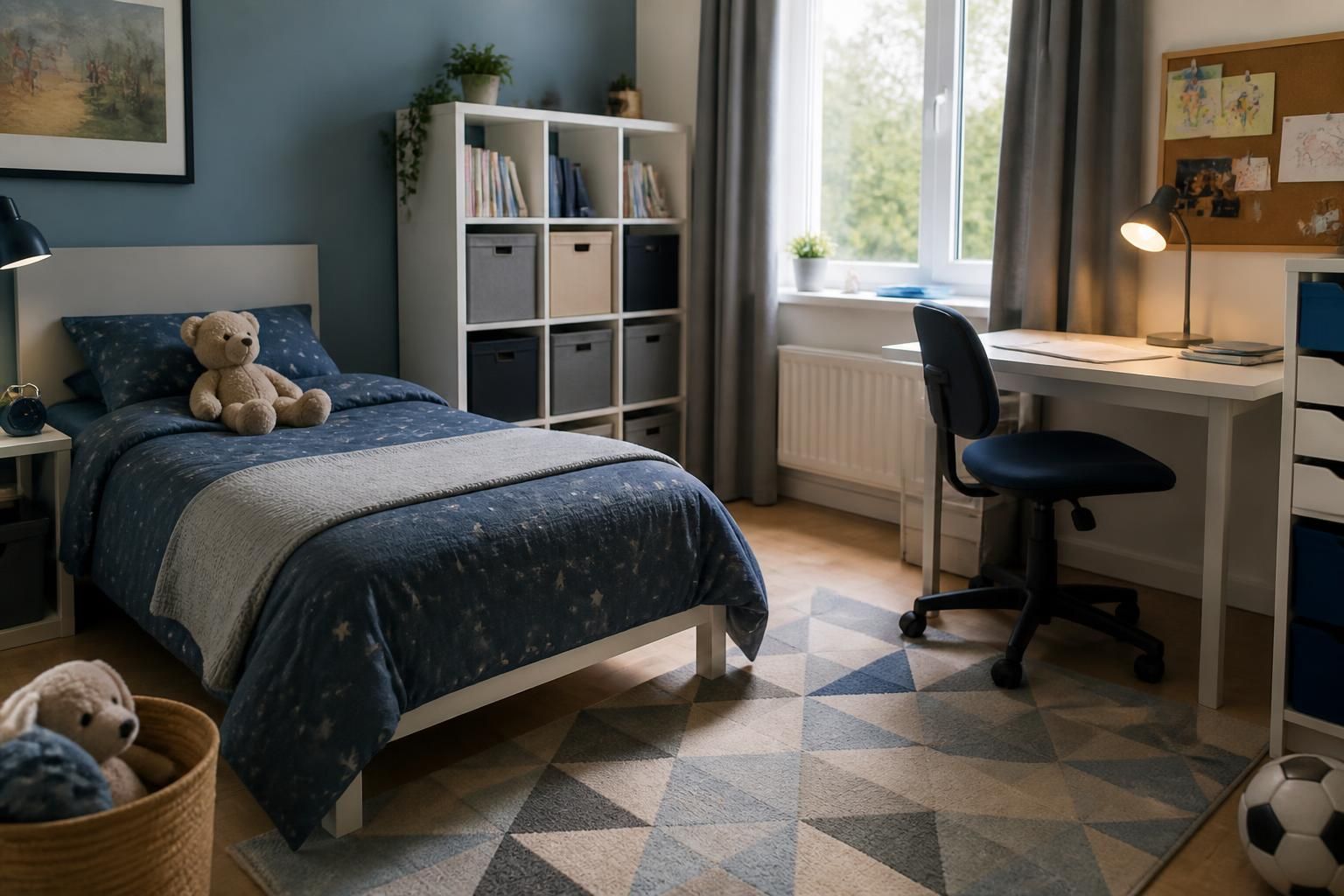
- a suitable bed, mattress, bedding and storage for the child’s clothing and belongings;
- age-appropriate furniture, such as a cot or changing equipment for a baby, or a desk and chair for an older child;
- car seats, booster seats or other travel equipment where required;
- pushchairs, stair gates, safety locks or monitors for younger children;
- basic personal items, including towels, toiletries, nightwear and clothing; and
- equipment linked to a child’s additional needs, disability, communication needs or medical care.
This is not a standard shopping list. A teenager may need privacy, study space and secure storage, while a baby or toddler may need sleeping and safety equipment that an older child would not use. A child with particular medical or developmental needs may need specialist items that should be identified with the agency and relevant professionals.
What your home assessment will look at
During the assessment, your agency will consider whether your home is safe, suitable and able to meet a child’s needs. This includes the sleeping arrangements, available space, household safety measures, storage and any risks presented by pets, vehicles, garden areas or other parts of the property. You may need to make practical changes, but these should be based on the fostering requirements and the children you are being assessed to care for rather than on assumptions about every possible placement.
Foster children generally need a clean, comfortable and welcoming space rather than expensive or matching furniture. Existing furniture may be suitable if it is safe, in good condition and appropriate for the child’s age. It is sensible to avoid buying specialist or expensive equipment until you know that it is necessary.
Check safety before buying or reusing items
Any equipment used by a child should be appropriate for their age and condition. If you are considering second-hand items, check that they are clean, intact and supplied with the correct safety components and instructions. Items such as car seats, cots, mattresses and stair gates require particular care because damage, missing parts or changes to safety standards may not be obvious. Your agency can advise whether an item is suitable before you rely on it for a placement.
Safety equipment in the home may also need checking or updating. This can include working smoke and carbon monoxide alarms, secure storage for medicines and cleaning products, and safe arrangements for knives, tools or other hazardous items. The exact expectations will be discussed as part of your household assessment.
Who pays for extra equipment?
Costs are considered as part of the wider financial arrangements for fostering. Foster-care allowances are intended to contribute towards the costs of caring for a child, but the way essential equipment and unusual expenses are handled can vary according to the agency, the child’s needs and the circumstances of the placement. Do not assume that every item will be reimbursed or that you must pay for every specialist item yourself.
Before making a significant purchase, ask your supervising social worker or fostering team:
- whether the item is required for approval or only for a particular placement;
- whether an equivalent item already available in your home is acceptable;
- whether the agency can help source, arrange or fund essential specialist equipment;
- which receipts or other records should be kept; and
- how damaged, outgrown or no-longer-needed equipment should be dealt with.
The most practical approach is to prepare the basic sleeping and living space, complete the safety measures identified in your assessment, and wait for placement-specific advice before buying anything costly. If you are considering fostering in Birmingham, Worcestershire, Staffordshire or elsewhere in the West Midlands, the local team can explain the relevant expectations and discuss your circumstances before you commit to purchases.
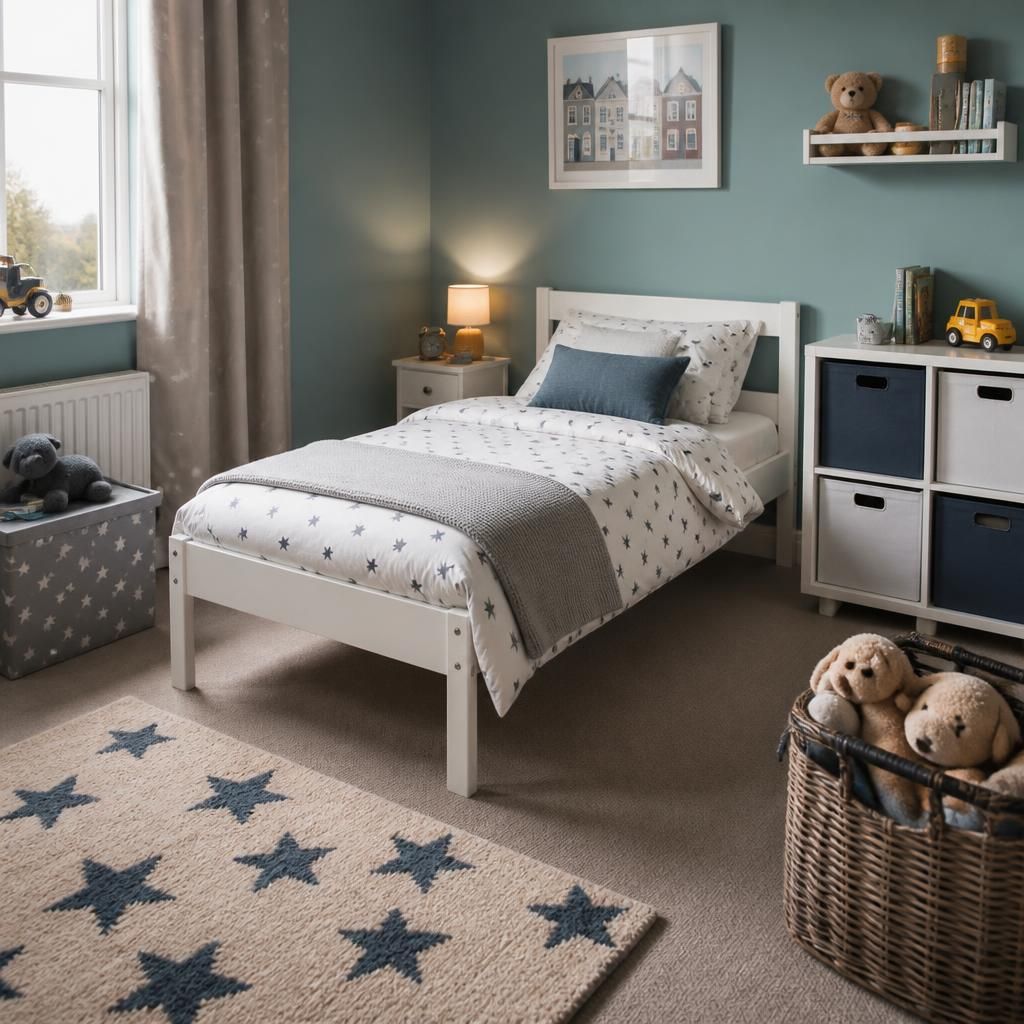
A room-by-room equipment check can help you prepare without buying items you may never need. List what you already have, note its condition and suitability, then separate essential safety or sleeping items from optional furnishings and comforts.
Share this list with your fostering team during the assessment. They can identify genuine gaps and explain whether an item is needed before approval, only for a particular child, or can be obtained after a placement is agreed. This approach helps you make informed purchases and avoid paying for unsuitable or duplicate equipment.
Discuss your equipment needs before fostering
Speak with our fostering team about your household and the type of placement you may be able to offer. They can explain the assessment process and help you understand which preparations are relevant before you apply.