
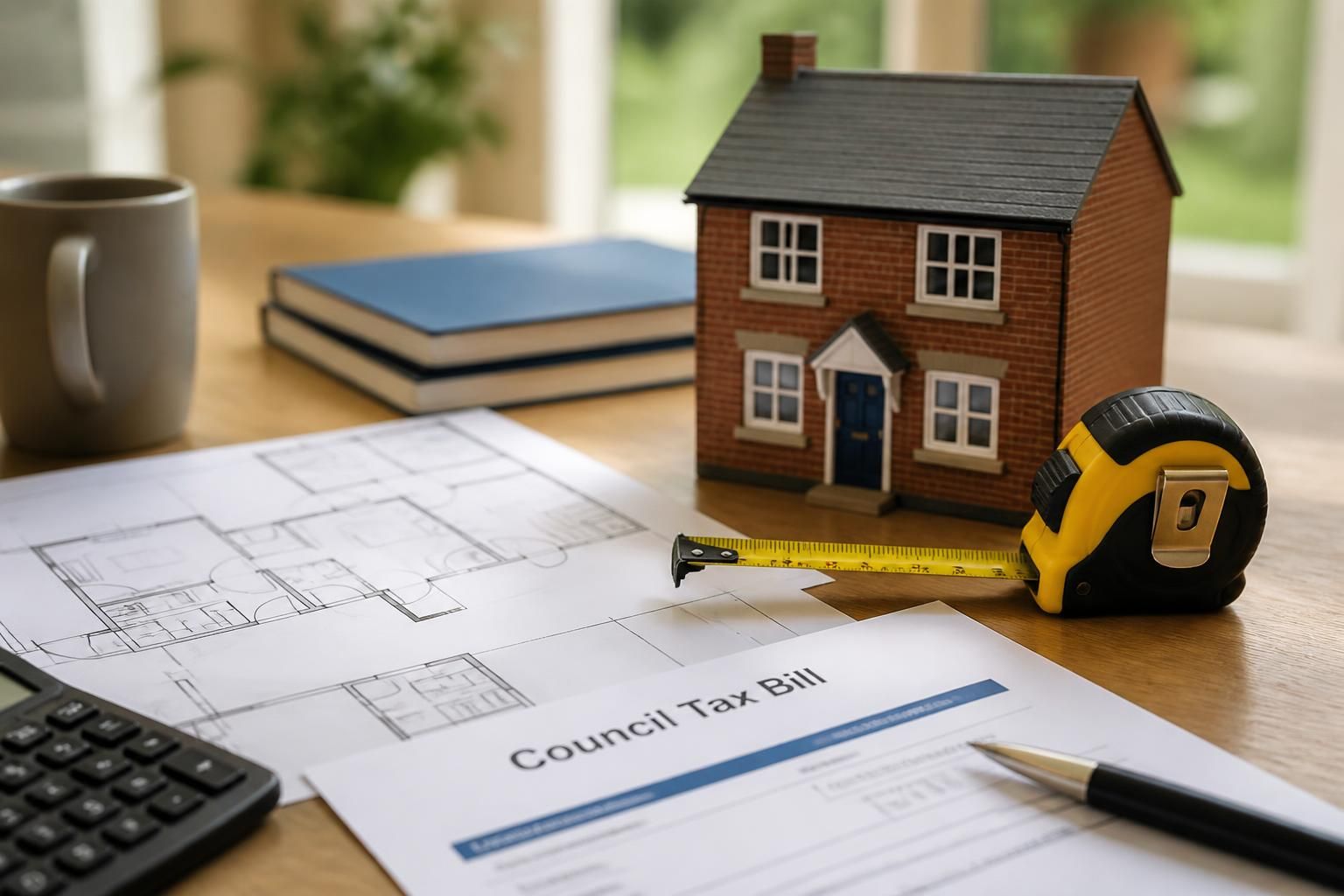
Does fostering change your council tax band?
Fostering does not normally change your council tax band. Your band is based on the property, so it would usually remain the same unless the home is physically altered or the Valuation Office Agency reassesses it; fostering may instead affect discounts, exemptions or council tax support.
Partnering with an
Ofsted Outstanding Provider
Council tax banding is a valuation classification attached to a property, rather than to the people who live there or the purpose for which a room is used. Becoming an approved foster carer, taking a foster child into your home or receiving fostering payments does not, by itself, create a new council tax band.
In England and Wales, the Valuation Office Agency (VOA) is responsible for council tax bands. It assesses factors such as the property’s size, layout, type and location. Your local council uses the band to calculate the standard charge, but it does not normally decide which band the property belongs to.
Fostering should not affect the band simply because:
- an additional child or young person lives in the property;
- a bedroom is allocated to a foster child;
- you are approved to foster but have no placement at present;
- you receive fostering allowances or other fostering-related payments; or
- your household changes from one year to the next.
A band may need to be reviewed if the property itself changes. Examples can include an extension, conversion, structural alteration, subdivision into separate dwellings or the combination of properties. A reassessment may also follow changes to the property recorded by the valuation authority. In England, an increase resulting from certain physical alterations may not take effect until the property is sold or transferred, although the precise position depends on the circumstances.
If you make adaptations to support fostering, the adaptation does not automatically mean the property should move into a higher band. The relevant issue is the nature and effect of the physical work, not the fact that it is connected with fostering. Planning permission, building regulations and council tax valuation are separate matters, so approval for one does not automatically determine the others.
It is also important to distinguish your council tax band from the amount you actually pay. Your bill can change because of a discount, exemption or Council Tax Reduction without any change to the band. Fostering may be relevant when the council considers your household circumstances, but those decisions are separate from property valuation and can depend on the particular reduction or discount rules that apply.
For example, a council may need to consider whether another adult in the household affects a single-person discount, whether an individual is disregarded for council tax purposes, or whether the household qualifies for Council Tax Reduction. These issues concern the calculation of the bill, not the band assigned to the home. Fostering payments and household income may also be treated differently depending on the scheme being considered, so check the specific rules with the council that issues your bill.
You can check your current band on your council tax bill and compare it with the valuation authority’s property records. If you believe the band is wrong because the property has been incorrectly assessed or its physical circumstances have changed, the appropriate valuation authority is the organisation to contact. The council can explain the charge, apply an approved discount or reduction, and issue corrected bills, but it generally cannot change the underlying band itself.
Scotland uses a different valuation system, administered by local assessors, while Northern Ireland uses domestic rates rather than council tax. Foster carers in those areas should therefore use the relevant local valuation or rating authority rather than relying on the England and Wales process.
Keep copies of any plans, completion documents, valuation correspondence and council tax bills if building work has taken place. They can help establish whether a change relates to the property’s valuation or only to a separate discount, exemption or support application.
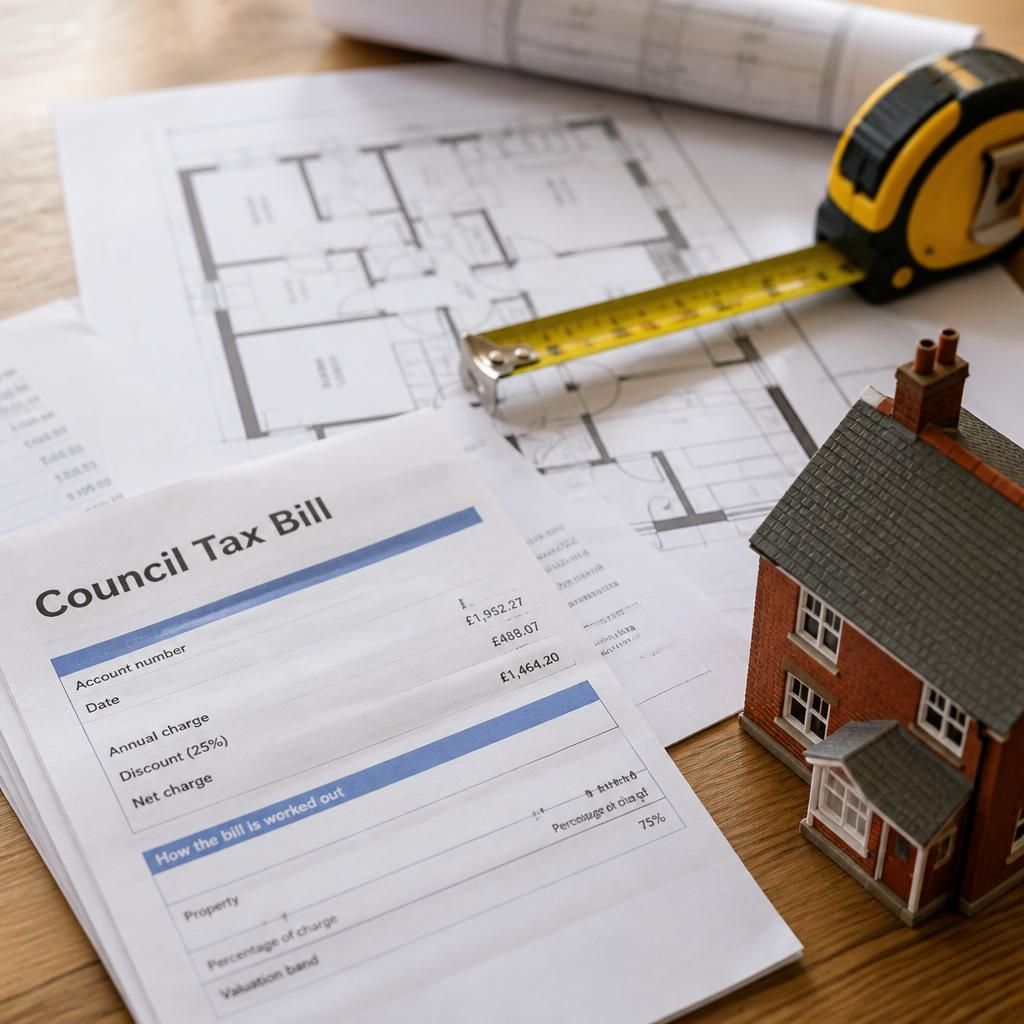
If you move to a larger property to accommodate fostering, the new home will have its own council tax band. The move itself does not transfer your previous band or create a special fostering band; the charge is based on the property you occupy and the local council’s applicable rates.
Before moving, check the proposed home’s band and ask the council for an estimate of the standard charge. This helps you separate any increase caused by the property’s band from other changes, such as the local council’s annual charge or an alteration to your discount or reduction. Your fostering approval is not a factor used to select the band of the new property.
Get guidance on fostering and council tax
For guidance on how fostering could interact with your household circumstances and council tax, speak to our fostering team. They can explain the next steps in becoming a foster carer and where to seek council-specific advice.