

Which council decides whether a foster carer qualifies for council tax exemption?
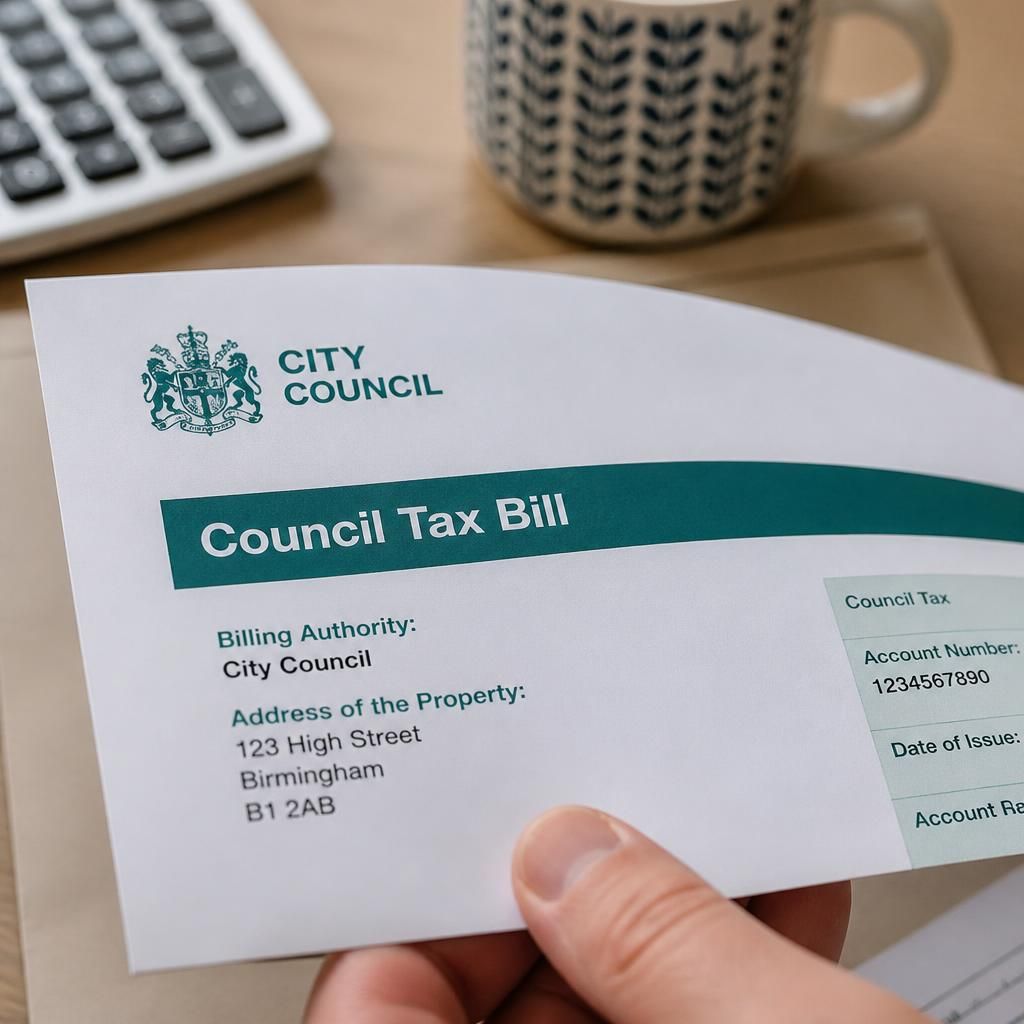
The billing authority for the property—the local council that issues the council tax bill—decides whether any foster carer exemption, disregard or reduction applies. This may be different from the council or fostering agency responsible for your fostering assessment, so contact the council tax team for the area where you live and ask what evidence it requires.
Partnering with an
Ofsted Outstanding Provider
The relevant council is the billing authority responsible for the property. It applies the council tax rules to your circumstances and decides whether you qualify for an exemption, disregard, discount or discretionary reduction. The fostering service, local authority responsible for your assessment, and your fostering agency cannot make that council tax decision on its behalf.
Which council is the billing authority? This is usually the council named on your council tax bill. In a two-tier area, council tax is generally administered by the district or borough council rather than the county council. In a metropolitan borough or unitary authority, one council carries out both functions. A parish or town council does not normally decide your council tax liability.
The council responsible is determined by the location of the home, not by:
- where your fostering assessment took place;
- which council referred a child to you;
- where your fostering agency has its office;
- which council pays a fostering allowance; or
- where your supervising social worker is based.
If you foster across council boundaries, the authority dealing with the child or your approval may therefore be different from the authority dealing with your home’s council tax. If you have more than one property, each property is considered by the billing authority for the area where it is situated.
What does the council consider? The council applies the relevant council tax rules to the facts of your case. It may ask about your fostering approval, whether you are currently approved, the dates of any placement, who lives in the property, and whether the property is your main residence. It may also request confirmation from your fostering service or agency. The information needed can differ depending on whether you are asking about a statutory exemption, a disregard, a standard discount or a discretionary reduction.
Being an approved foster carer does not, by itself, determine the outcome. The council may need to examine the particular rule being relied on and whether your circumstances meet its conditions. A council tax officer should explain which provision it has considered and what evidence is needed before making a decision.
Who should you contact? Use the council tax contact details on your bill and keep the enquiry focused on the property and the fostering-related circumstances. Give the council:
- the property address and council tax account number;
- your name and the names of other adults resident at the property;
- your fostering approval details, where relevant;
- placement or respite dates, if the request depends on a particular period; and
- any letter or confirmation provided by your fostering service or agency.
Ask the council to confirm its decision in writing. A written response should make it clearer whether the council has granted a reduction, applied a disregard, treated the property as exempt, or decided that no relief applies. It should also identify any dates covered, since council tax treatment can change when household or placement circumstances change.
If you disagree with the decision , first ask the council tax department to review its reasoning and provide any information it may have missed. Follow the council’s formal complaints or review process where appropriate. Council tax liability disputes can have statutory appeal routes, so check the decision letter carefully for instructions and deadlines. Do not stop paying an undisputed bill while a review is taking place unless the council confirms a revised payment arrangement.
Your fostering service can help you understand your approval status and provide supporting information, but the billing authority remains responsible for deciding the council tax position. This distinction is particularly important where a county council, independent fostering agency or another local authority is involved in your fostering arrangements.
A council tax decision should not automatically be carried over when you move home. A change of address may mean a different billing authority is responsible, and the new property may have different household or occupancy details. Tell the new council that you are an approved foster carer and ask it to assess the new council tax account separately.
Keep the previous decision letter, as it may help explain your circumstances, but treat it as supporting information rather than proof that the same exemption, disregard or reduction applies at the new address.
Get guidance on council tax and fostering
If you are considering fostering, speak to our team for guidance on the approval process, supporting evidence and practical questions about council tax. We can help you identify what to ask your billing authority before you apply.