

Are foster carer pension contributions tax deductible?
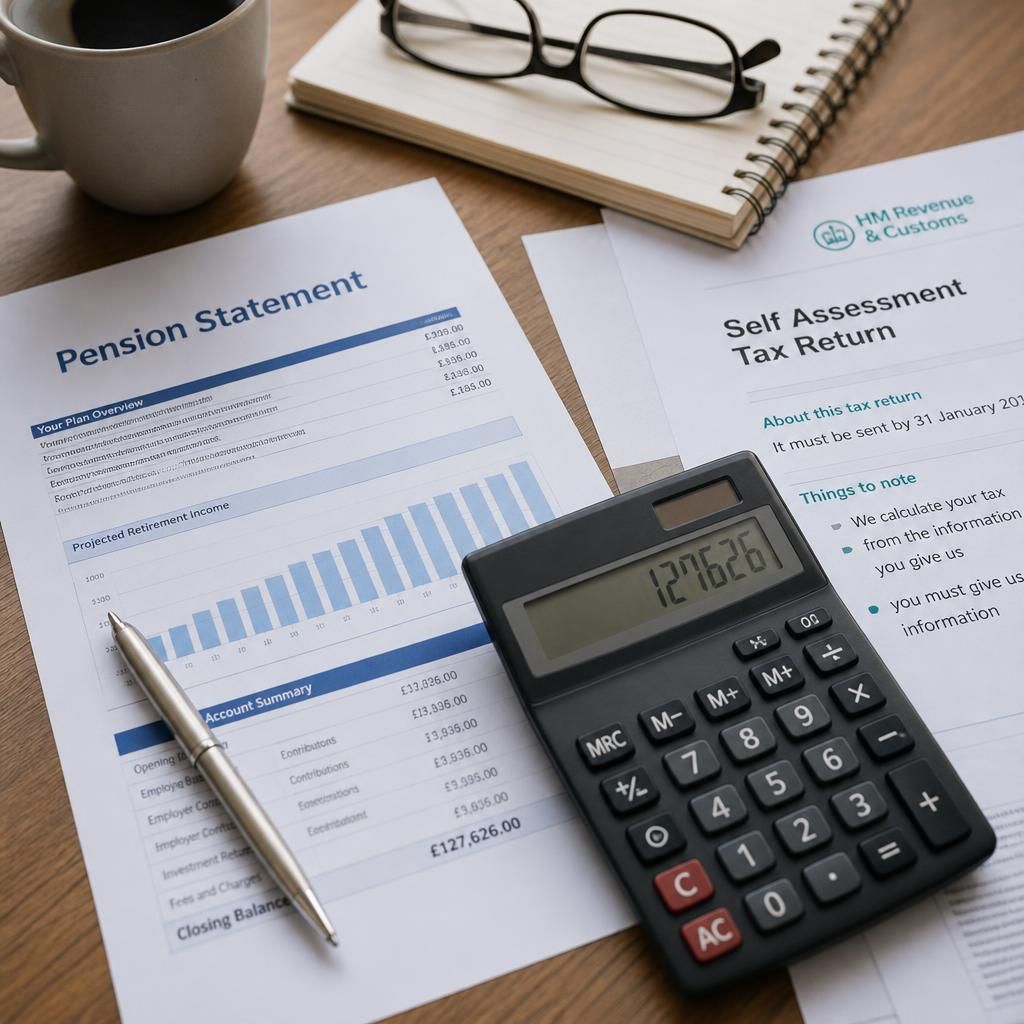
Foster carer pension contributions are not usually deducted as a fostering expense, but personal pension payments may qualify for tax relief under the normal pension rules, subject to eligibility and applicable limits. Because fostering income can be treated differently for tax purposes, check your position with HMRC or a qualified tax adviser before making arrangements.
Partnering with an
Ofsted Outstanding Provider
Usually, foster carer pension contributions are not treated as a deductible expense when calculating fostering income. Instead, tax relief is generally given under the pension rules that apply to the type of contribution you make. The result depends on whether you pay into a personal pension, contribute through employment or have other relevant earnings.
Fostering income is commonly calculated using the qualifying care relief rules. These rules can reduce the amount of fostering income treated as taxable. That calculation is separate from the tax relief available on pension contributions. You should therefore avoid deducting your pension payments from fostering receipts as though they were ordinary business costs.
For a personal pension, contributions are normally paid using the relief-at-source method. You pay the contribution to the pension provider, and the provider claims any basic-rate relief that is due and adds it to your pension. If you pay tax at a higher rate, you may be able to claim further relief through Self Assessment, provided you meet the relevant conditions. The additional relief is not usually added directly to the pension; it may instead reduce your tax bill or increase a repayment.
Tax relief is generally linked to your relevant UK earnings , rather than simply to the amount you receive from fostering. Relevant earnings can include income from employment or self-employment, but the interaction between fostering receipts and qualifying care relief can be complex. If fostering is your only source of income and the qualifying care relief calculation leaves little or no taxable profit, do not assume that every pension payment will automatically receive full relief.
There are circumstances in which someone with little or no relevant earnings can still make a pension contribution with tax relief, subject to the limits and conditions set by HMRC. Pension providers and HMRC rules determine how this works, so check the position before relying on relief when your only income comes from fostering.
The main points to check are:
- How the contribution is made: personal pensions, workplace schemes and salary sacrifice arrangements have different tax treatments.
- Your relevant earnings: the amount of relief available may be restricted where your relevant earnings are low or where fostering income is largely covered by qualifying care relief.
- The pension annual allowance: contributions across all your pension arrangements count towards the applicable annual limit. Tax charges can arise if that limit is exceeded, although rules on carry-forward may be relevant in some cases.
- Previous pension access: if you have flexibly accessed a defined contribution pension, the money purchase annual allowance may restrict future contributions that can receive tax advantages.
- Your tax position: higher-rate or additional-rate relief, where available, may need to be claimed through a tax return rather than through the pension provider.
- Evidence and records: keep pension statements, contribution confirmations and details of your fostering income and qualifying care relief calculation.
If you are also employed, pension contributions made through that employment may be dealt with through payroll, including a net pay arrangement or salary sacrifice where your employer offers one. Those arrangements should not be confused with personal contributions made from your own bank account. A workplace scheme may also involve employer contributions, which are governed by the scheme rules and are not the same as personal tax relief.
It is also important to distinguish income tax relief from National Insurance. A pension contribution may qualify for income tax relief without changing how National Insurance is calculated. Pension contributions do not automatically increase your State Pension entitlement either; that depends on your National Insurance record.
Before making a substantial contribution, compare the pension provider’s explanation with your fostering tax calculation and any employment income you have. Ask HMRC or a suitably qualified tax adviser to confirm how qualifying care relief, relevant earnings, Self Assessment and the pension allowances apply to your circumstances. This is particularly important if you have more than one pension, have already accessed pension savings, contribute through employment or expect your fostering arrangements to change.
Where two people foster together, pension tax relief is normally considered separately for each individual. One partner’s employment income or fostering tax position does not automatically determine the relief available on the other partner’s pension contributions.
Before making contributions, check whose name the pension is in, who is paying them and which person has relevant earnings. This is particularly important where one person is employed and the other has little or no income outside fostering. Keeping separate pension and tax records can help prevent the household’s figures from being treated as though they belonged to one taxpayer.
Need help understanding foster carer pension contributions?
If you are considering fostering and want to understand how pension planning fits alongside your fostering income, contact our team for guidance on the next steps. For advice about your individual tax position, consult HMRC or a qualified tax adviser.