
Can foster carers pay into more than one pension?
Yes. Foster carers can generally pay into more than one pension, such as a workplace pension and a personal pension, provided the relevant schemes accept contributions. Tax relief and contribution limits apply across all your pensions, so consider how your fostering income and any other earnings affect the amount you can contribute.
Partnering with an
Ofsted Outstanding Provider
Having more than one pension can be appropriate for a foster carer, particularly where you have a workplace pension from another job alongside a personal pension. Each scheme remains separate, but the contributions made to all of them must be considered together when checking tax relief and pension contribution limits.
Common combinations include:
- a workplace pension through employment outside fostering and a personal pension;
- an older workplace pension and a new workplace pension after changing employment;
- a personal pension alongside a self-invested personal pension, where this is suitable and the provider accepts the arrangement; or
- a pension built up through employment together with entitlement to the State Pension, which is separate from private pension savings.
Fostering itself does not usually create an employer pension in the same way as ordinary employment. Whether you can pay fostering income into a pension, and whether that income qualifies for tax relief, depends on how your fostering payments are treated for tax and whether you have other relevant earnings. Foster carers should check this with a pension provider or regulated financial adviser rather than assuming that every payment received through fostering can be used for tax-relieved contributions.
Tax relief is assessed across your arrangements. Paying into several pensions does not give you a separate tax-relief allowance for each one. Contributions to personal pensions may receive tax relief at source, while workplace pension contributions may be dealt with through payroll. Employer contributions, where applicable, are also relevant when assessing the total amount going into your pensions.
If you have little or no relevant earnings, a pension provider can explain whether contributions can still be made with basic tax relief under the rules for people with limited earnings. The amount that can receive tax relief may be different from the amount you are technically able to pay into a pension, so ask the provider to confirm the gross contribution and any tax treatment before setting up regular payments.
Keep the following limits and circumstances in mind:
- The annual allowance applies across your pension schemes, rather than separately to each pension.
- Unused allowance from earlier tax years may sometimes be available under carry-forward rules, subject to the relevant conditions.
- If you have started taking taxable income from a defined contribution pension, a reduced allowance may apply to some future contributions.
- Contributing above the available allowance can create an unexpected tax charge, even where each individual provider has accepted the payment.
- Tax rules can change, so the position should be checked for the tax year in which the contributions are made.
Before opening another pension, compare its charges, investment choices, flexibility, administration and retirement options with those of your existing schemes. Several pensions can provide useful flexibility, but having more accounts also means more paperwork and makes it easier to lose track of contributions, nominated beneficiaries and charges. Consolidating pensions is not automatically better: older schemes may contain valuable guarantees or terms that could be lost on transfer.
A practical approach is to make a list of every pension, including the provider, scheme type, current value, regular contributions, employer contributions and any benefits already being taken. Ask each provider for up-to-date information and keep evidence of payments. If you are unsure how your fostering income interacts with pension tax relief, obtain guidance from an appropriately regulated adviser who understands both pension rules and the tax position of foster carers.
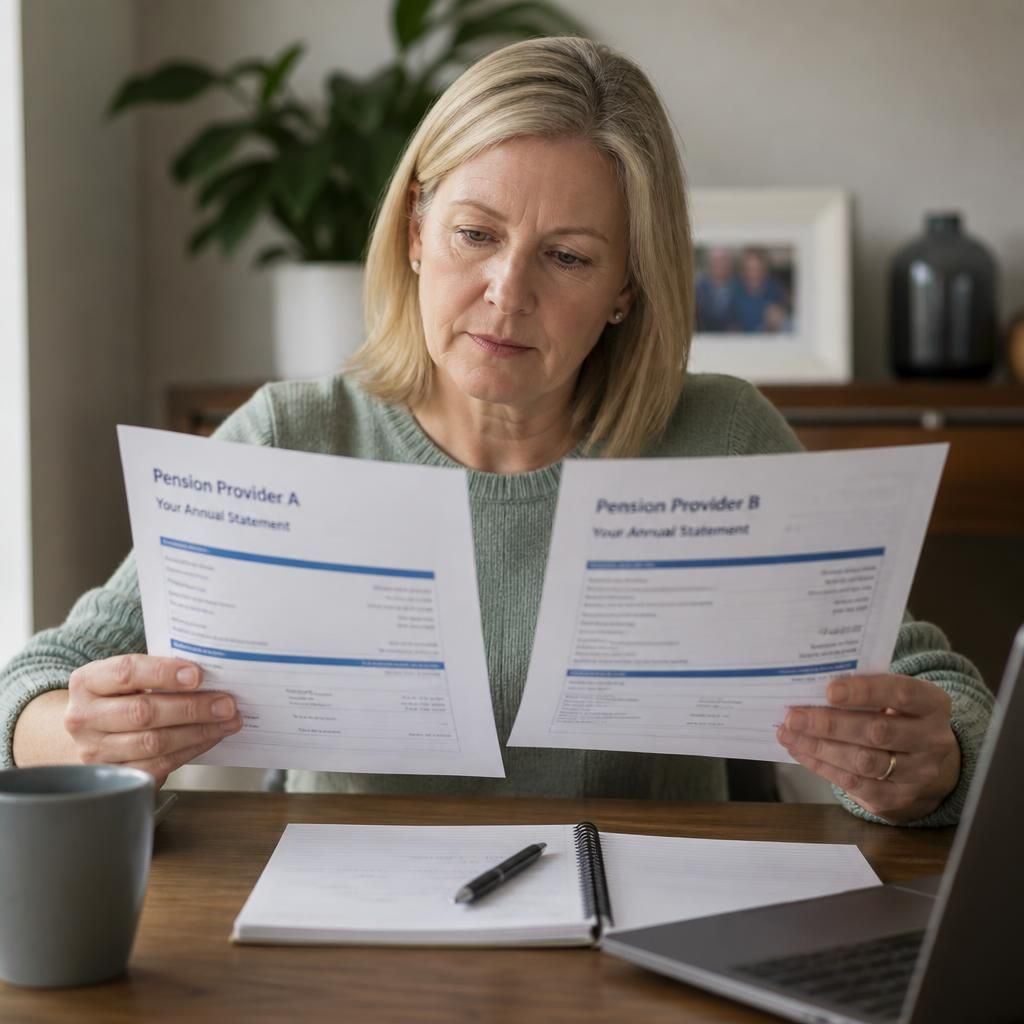
Having more than one pension does not necessarily mean you need to open another account. Some existing schemes may accept additional personal contributions, while others may only receive payments through an employer or payroll arrangement. The rules are set by the individual provider, so check before starting a separate pension.
Before making a decision, ask each provider:
- Can I make personal contributions to this pension, even if I am no longer employed by the original employer?
- How will contributions be paid and recorded?
- Will the scheme accept irregular payments if my income varies?
- What information will I receive to track contributions and pension benefits?
This can help you decide whether keeping contributions together is practical or whether a separate pension better suits your circumstances. If your fostering income is irregular, avoid committing to payments that may be difficult to maintain; a provider can explain the available contribution options and any conditions attached to them.
Get guidance on paying into more than one pension
If you are considering fostering and want to understand how it may fit alongside your existing pension arrangements, contact Become A Foster Family to discuss your questions and next steps. For personal recommendations about contributions or transfers, speak to an appropriately regulated financial adviser.