
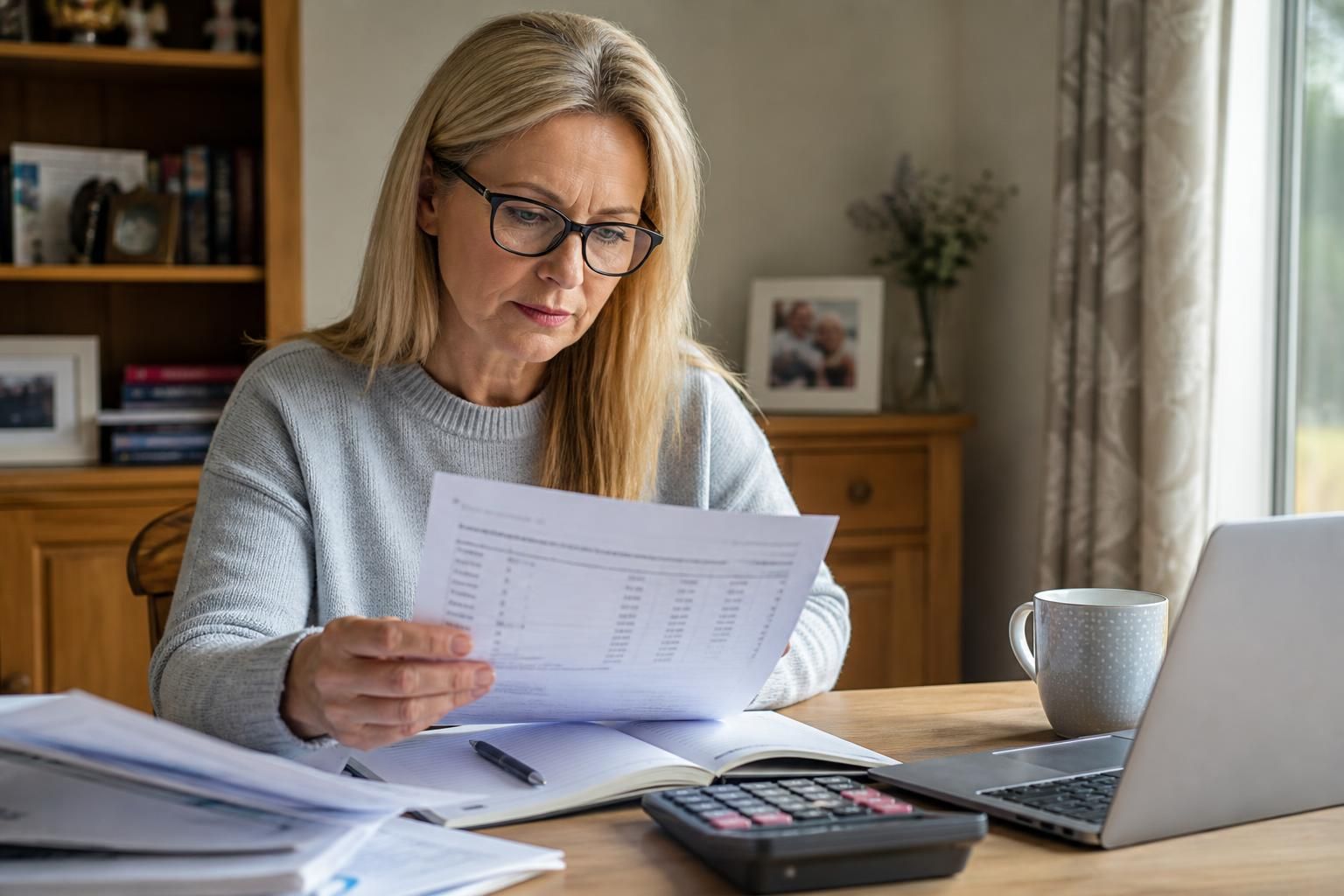
Can fostering income be used to pay into a pension?
Yes, foster carers can generally use money received from fostering to make personal pension contributions, but fostering payments may have special tax treatment and may not count as relevant earnings for pension tax relief. Check how your fostering income is treated and what tax relief applies with HMRC, your pension provider or a regulated financial adviser before choosing a contribution level.
Partnering with an
Ofsted Outstanding Provider
The key distinction is between using fostering payments to fund a pension and receiving tax relief on those payments. You can choose to put money from your fostering income into a personal pension, but the amount of tax relief available depends on your relevant UK earnings, the type of contribution and the pension rules for the tax year concerned.
Fostering payments are not usually treated in the same way as wages. Foster carers commonly receive a combination of allowances and fees, and their tax position may be affected by qualifying care relief. This means the amount shown in your fostering records may not be the same as the income figure used when assessing pension tax relief. Do not assume that the full amount paid by a fostering agency automatically qualifies as pensionable earnings.
For pension purposes, relevant UK earnings can include income from self-employment, but the calculation is not always straightforward for foster carers. It may depend on how your fostering activity is reported, which elements of your payments are covered by qualifying care relief and whether you have other earnings from employment or self-employment.
How personal pension tax relief normally works:
- You pay a contribution into a personal pension, stakeholder pension or self-invested personal pension.
- Where the contribution qualifies for relief at source, the pension provider claims basic-rate tax relief and adds it to the pension.
- If you pay tax at a higher rate, you may need to claim any additional relief through Self Assessment, depending on your circumstances.
- If your relevant earnings are low or nil, the amount that can receive tax relief may be restricted. A pension provider can explain the limit that applies to your arrangement.
The contribution does not have to be transferred directly from the fostering agency. You can usually pay from your personal bank account, provided the contribution is accepted by your pension provider. The important issue is not which bank account the money comes from, but whether the contribution meets the conditions for tax relief and stays within the relevant pension limits.
Check the position before setting a contribution level. Ask your accountant, HMRC, your pension provider or a regulated financial adviser to review:
- how your fostering receipts are treated for income tax;
- whether you have relevant UK earnings for the tax year;
- how qualifying care relief affects the calculation;
- whether contributions made through your chosen pension receive tax relief;
- how much you can contribute without creating an annual allowance issue; and
- whether contributions made through another pension or workplace arrangement need to be included in the overall assessment.
Keep copies of fostering payment statements, annual summaries, tax calculations, Self Assessment records and pension contribution confirmations. These documents can help show how the contribution was funded and support discussions with your adviser or pension provider. They are particularly useful if your fostering payments vary because of the number or needs of children placed with you.
Regular and one-off payments are both possible. Some foster carers prefer smaller monthly contributions to make budgeting easier, while others contribute when they have received a particular payment or completed their tax planning for the year. Before making a large one-off contribution, confirm that it can be accepted and that the intended tax relief will apply. A contribution that is affordable from a cash-flow perspective may still need checking against pension limits and your earnings for that tax year.
A pension contribution can reduce the money available for household costs, fostering-related expenses and tax payments. Foster carers should therefore allow for any tax due under their own circumstances and avoid committing to a contribution that could make day-to-day budgeting difficult. Pension savings are intended for the longer term and generally cannot be accessed immediately if your financial circumstances change.
In practice, the safest approach is to separate three questions: how much fostering income you can afford to set aside, how much of that income counts as relevant earnings and how much tax relief your pension can receive. Once those points have been checked, your provider or regulated adviser can help you choose a suitable contribution method.

The timing of a pension payment can affect which tax year it is counted in. A contribution is generally assessed in the tax year in which your pension provider receives it, so a payment made near the end of the tax year may need careful checking.
This is particularly relevant when fostering income varies or when you are considering a one-off contribution. Confirm the provider’s payment deadline, the date the contribution will be treated as received and whether it can be allocated to the intended tax year. Keeping the confirmation of the payment date with your tax and fostering records can make later checks easier.
Explore pension planning alongside fostering
Discuss your fostering plans with Become A Foster Family and use the information provided to prepare questions for your pension provider or regulated financial adviser.