

When can foster carers access their pension savings?
Foster carers can usually access private pension savings from age 55, although the normal minimum pension age is due to rise to 57 from 6 April 2028 and some schemes have protected ages. The exact age and available options depend on your pension scheme, while State Pension access follows your State Pension age.
Partnering with an
Ofsted Outstanding Provider
Pension savings can usually be taken in one of several ways once your pension scheme permits access. The most suitable option depends on whether you have a defined contribution or defined benefit pension, how much income you need, your other resources and the tax consequences of taking money.
Defined contribution pensions
A defined contribution pension builds up a pot based on contributions and investment performance. When you access it, the main choices are:
- A single lump sum: you may be able to take all or part of the pot at once. Some of the payment may be tax-free, with the remainder normally treated as taxable income.
- Income drawdown: the pension remains invested while you take occasional or regular payments. This offers flexibility, but the pot can fall in value and may eventually run out if withdrawals and investment charges are too high.
- An annuity: you exchange some or all of the pension pot for a regular income. The amount depends on the annuity terms, and some products can provide an income for life or include benefits for a partner after your death.
- A combination of options: you can often take part of the pot as a lump sum and use the remainder for drawdown or an annuity.
You do not generally have to take the whole pension at once. Taking smaller amounts over time can make it easier to match withdrawals to your circumstances, but each withdrawal should be considered alongside your income from fostering, employment, savings and any other pension.
Defined benefit pensions
A defined benefit pension, sometimes called a final salary or career average pension, usually provides an income calculated under the scheme rules. It may also offer a lump sum. The scheme will explain the income available, any reduction for taking benefits earlier than the scheme’s normal retirement date, and the options for providing benefits to a spouse, civil partner or other dependant.
Transferring a defined benefit pension to a defined contribution arrangement can permanently change valuable guarantees. It should not be treated as a routine way to release cash. Independent advice from an appropriately authorised pension adviser may be required, depending on the value and circumstances of the pension.
What determines when you can take the money?
The scheme’s rules and the law determine when benefits can be taken. Some pensions contain a protected pension age, while limited exceptions can apply in circumstances such as serious ill health. These exceptions have strict conditions, so you should ask the provider to confirm whether you qualify rather than relying on general information.
Your provider should give you an illustration showing the value of the pension, available retirement routes, charges and the effect of taking benefits. Check whether the scheme has restrictions on partial withdrawals, minimum withdrawal amounts, guaranteed rates or the timing of payments.
Tax and benefit considerations
Pension withdrawals can increase your taxable income for the relevant tax year. This may affect the rate of tax applied to other income and could alter entitlement to some means-tested benefits or other support. The tax treatment of fostering payments is separate from the treatment of pension income, so do not assume that money received for fostering and money taken from a pension will be assessed in the same way.
Taking taxable income from a defined contribution pension can also affect the amount that may be contributed to certain defined contribution pensions in future while still receiving tax advantages. If you expect to continue working, fostering or paying into a pension after taking benefits, ask your provider or a regulated adviser how the decision could affect later contributions.
Planning access around fostering
Fostering income and expenses can vary according to the placements in your household. Before accessing pension savings, prepare a realistic budget covering household costs, emergency savings, tax, professional fees and any periods when fostering income changes. Avoid treating a pension as an immediate replacement for regular fostering payments unless you have checked how long the money is expected to last.
It may be sensible to compare several withdrawal patterns, such as taking a smaller regular income, using savings for short-term costs or delaying withdrawals while other income is sufficient. A pension provider can explain its products, but a regulated financial adviser can assess whether a particular option is appropriate for your wider circumstances.
Be cautious of anyone offering to unlock pension savings before the scheme allows it, promising unusually high returns or asking you to transfer money urgently. Pension scams can lead to substantial financial loss, tax charges and the loss of important scheme benefits. Check the provider and adviser through the Financial Conduct Authority’s register, and do not make a transfer until you understand the risks and fees.
To establish your options, obtain current statements for every pension you hold, check the scheme’s permitted access date and request a formal retirement quotation. Keep the scheme’s paperwork, beneficiary nominations and details of any guarantees under review, particularly if your family circumstances or plans for fostering change.
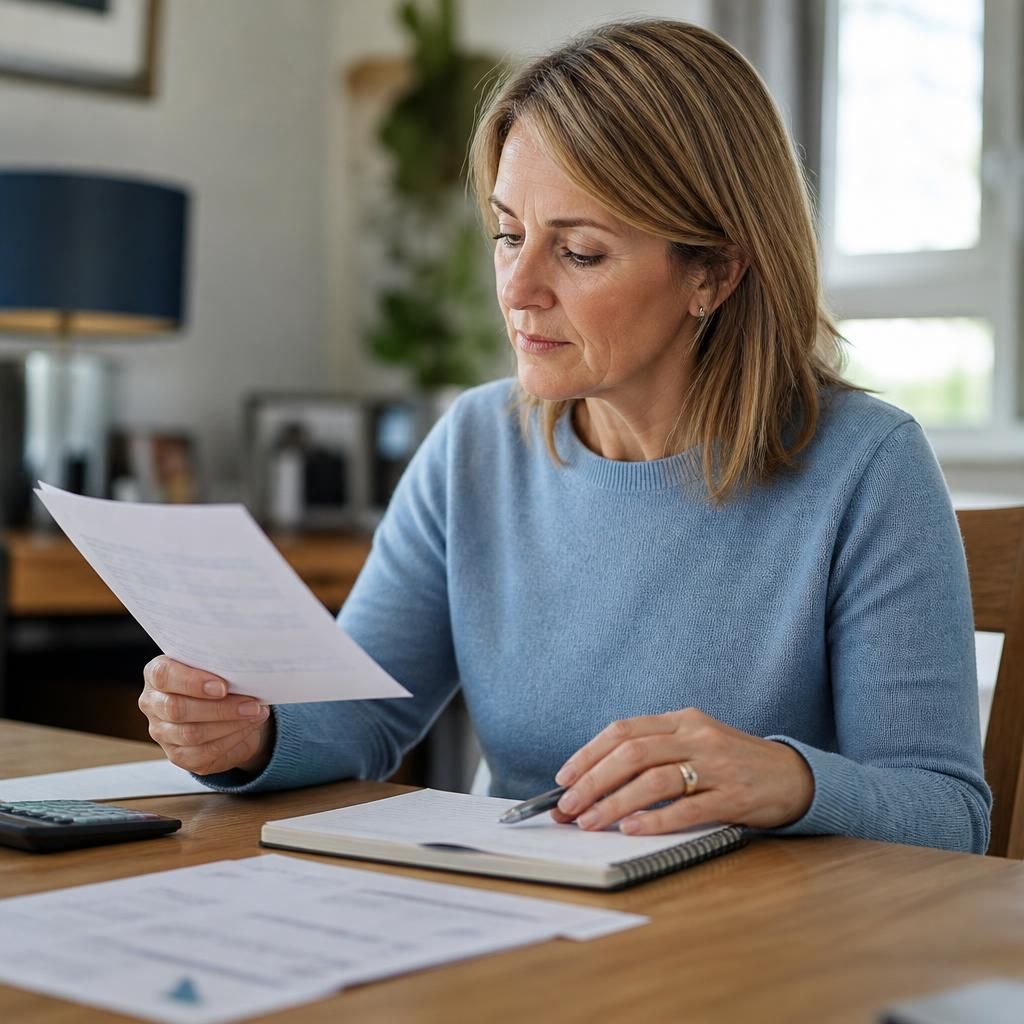
Accessing pension savings does not, by itself, mean that you must stop fostering. You may be able to continue fostering while receiving income from a private pension, provided you still meet the relevant fostering requirements and can offer a safe, stable home for a child or young person.
Before starting withdrawals, discuss the decision with your fostering provider and pension provider. Consider how pension income could affect your household budget, tax position and any means-tested support. If you plan to reduce work or change your availability for fostering, explain this during your review so that your household circumstances and capacity to foster remain properly assessed.
Ask about fostering alongside your pension plans
If you are considering fostering alongside your pension plans, speak to Become a Foster Family about your circumstances and the next steps in the fostering application process. Our team can explain the assessment, training and ongoing support involved before you decide whether fostering is right for your household.