
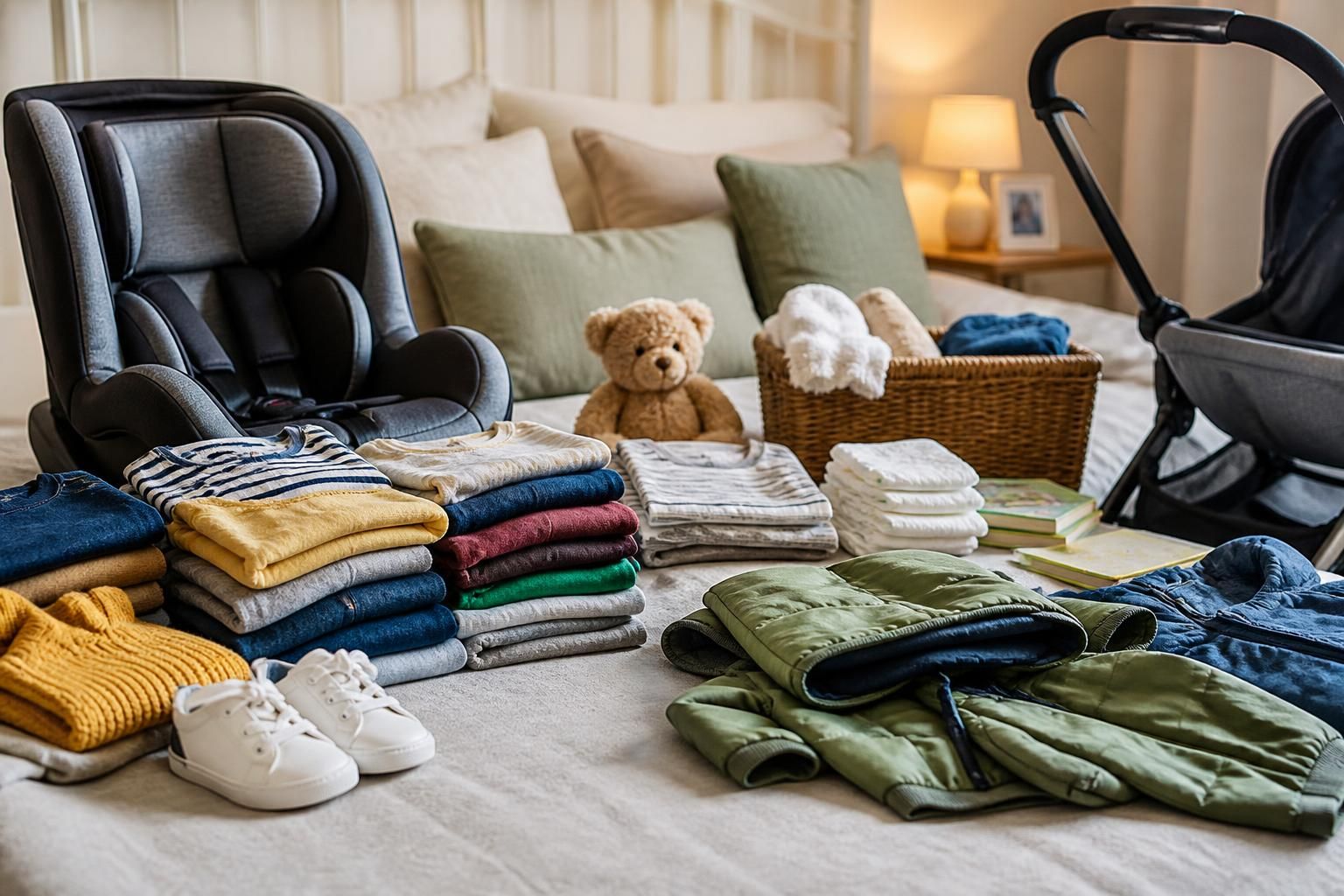
Do fostering allowance rates cover clothing and equipment?
Fostering allowances are generally intended to help cover a child’s everyday costs, including suitable clothing and essential equipment, but the exact arrangements vary between fostering services and according to the child’s needs. Your fostering service should explain what is included in the allowance and whether additional funding can be considered for necessary or higher-cost items.
Partnering with an
Ofsted Outstanding Provider
Whether clothing and equipment are covered depends on the fostering service’s allowance policy and the child’s individual circumstances. In practice, the regular fostering allowance is usually intended to contribute towards ordinary day-to-day items, while essential equipment or unusually high costs may be considered separately under the service’s additional funding arrangements.
Clothing costs can include suitable everyday clothes, footwear, nightwear, coats and school clothing. The allowance may also need to cover replacing items as a child grows, clothing becomes worn, or a child’s activities and circumstances change. Foster carers should agree how these costs are managed with their supervising social worker, particularly where a child arrives with few belongings or needs clothing immediately.
Equipment may include items needed to care for a child safely and appropriately, such as:
- a suitable bed, mattress and bedding;
- car seats, pushchairs or other age-appropriate travel equipment;
- childproofing items and safety equipment;
- school equipment, bags and activity-related clothing;
- personal-care items linked to the child’s age or needs; and
- specialist equipment recommended because of a disability, medical condition or developmental need.
Not every item will be treated in the same way. Basic household items that can be reused between placements may be regarded as an initial setup cost, whereas personal clothing and belongings are normally specific to the child. Larger purchases, specialist equipment and items that cost substantially more than an ordinary allowance may require prior approval rather than being bought first and claimed back afterwards.
Before buying an expensive item, ask the fostering service:
- whether the cost is included in the regular allowance;
- whether additional funding is available;
- who must approve the purchase;
- whether receipts or other evidence are required;
- whether the item belongs to the child, the foster carer or the fostering service; and
- how replacement, repair and disposal costs are handled.
This is especially important at the start of a placement. A child may need clothing, bedding or equipment before the first allowance payment has been made, so the agreed process for urgent purchases should be clear. The child’s age, size, culture, religion, health, mobility, education and hobbies can all affect what is suitable. A standard item may not meet a child’s needs, and the most economical option is not necessarily appropriate if it is unsafe, unsuitable or unlikely to last.
Foster carers should keep receipts and a simple record of significant expenditure. This helps the fostering service review whether the allowance is meeting the child’s needs and provides evidence if further support is requested. It also avoids uncertainty about whether an item was approved, particularly when equipment is shared between placements.
Clothing and equipment should be provided in a way that gives the child dignity and choice. Children and young people should have belongings that fit properly, reflect their preferences where possible and are appropriate for school, social activities and their identity. When a child leaves a placement, the service should explain which personal items travel with them and what happens to reusable equipment.
During the assessment and preparation process, prospective foster carers can ask for a written explanation of the allowance and any separate arrangements for clothing, equipment, birthdays, school costs, activities or specialist needs. Understanding these rules before accepting a placement makes it easier to budget accurately and seek approval when a child’s requirements go beyond ordinary day-to-day spending.
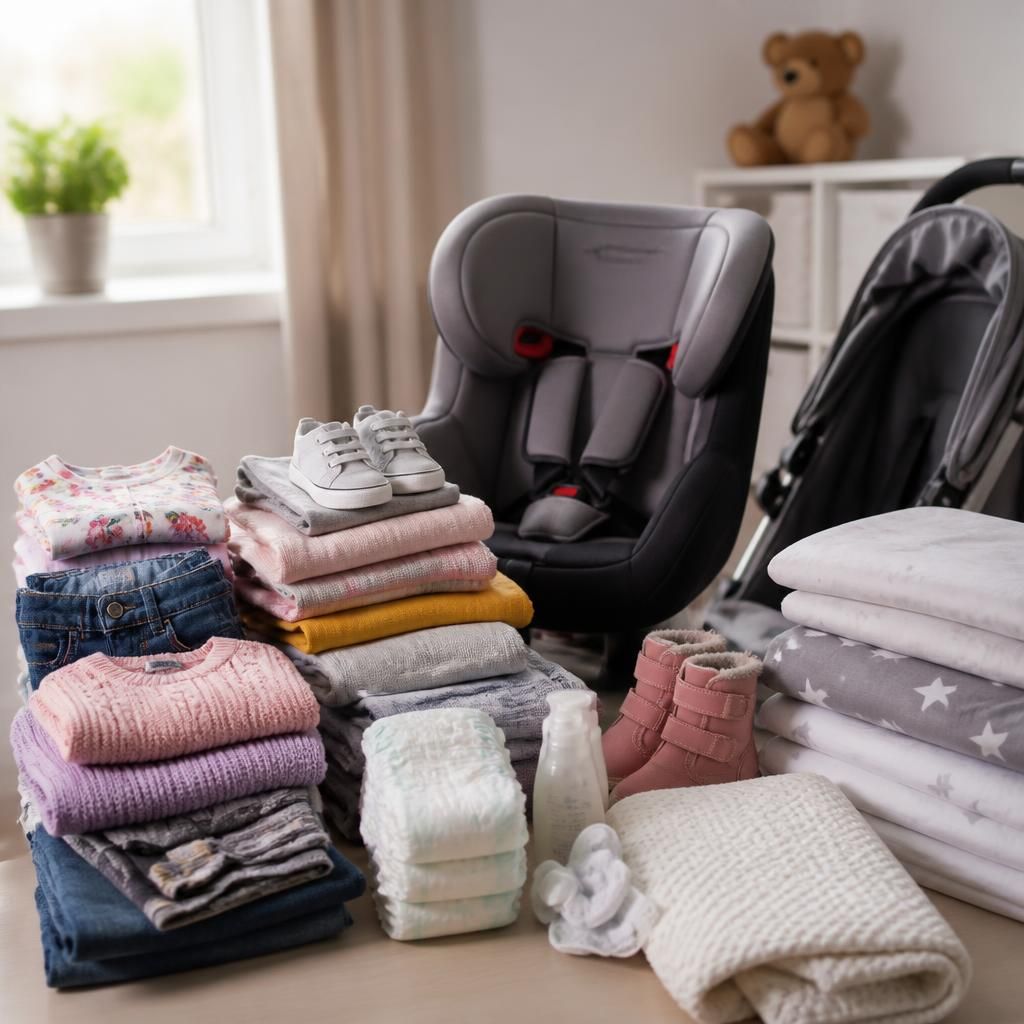
“Covered” does not always mean that every clothing or equipment purchase is reimbursed separately. In many fostering arrangements, these costs are managed from the regular allowance, so foster carers need to understand whether the payment is a general contribution or whether particular items have their own funding route.
Ask for the service’s current policy before accepting a placement and check the child’s placement information for any known requirements. This helps distinguish ordinary spending from costs that should be discussed separately, such as equipment needed because of a specific health, mobility or developmental need. If the arrangement is unclear, raise it with your supervising social worker before committing to a purchase.
Ask about clothing and equipment costs
Speak to our fostering team to discuss how clothing and equipment costs are handled and what information you should request before applying. You can use this conversation to clarify allowance arrangements and prepare questions for your assessment.