

Can foster carers claim council tax reduction?
Some foster carers can apply for Council Tax Reduction if they meet their local council’s income and household criteria, but fostering alone does not automatically qualify you. Foster children may also be treated differently when the council counts adults in the property, so check your circumstances directly with your council.
Partnering with an
Ofsted Outstanding Provider
Council Tax Reduction is a means-tested scheme administered by your local council. It can reduce the amount of Council Tax a household has to pay where its income, savings, household circumstances and local scheme rules meet the relevant criteria. Being a foster carer does not, by itself, create a separate Council Tax Reduction entitlement.
Each council sets its own Council Tax Reduction scheme within national rules, so the treatment of fostering income and household circumstances can differ between areas. Your council may look at income from employment, benefits, pensions and other sources, as well as savings, the number of people in the household and whether anyone is responsible for children or receives certain benefits.
Fostering payments need to be explained clearly as part of the application. Allowances, fees and other payments connected with fostering may be treated according to the council’s rules rather than simply being assessed as ordinary earnings. Ask the council to confirm how it treats each part of your fostering payment, particularly if you receive both an allowance for a child’s needs and a fee for your fostering role. Do not assume that all fostering income will be counted, or that all of it will be disregarded.
Foster children are generally disregarded when the council considers how many adults are living in a property for Council Tax purposes. This means a foster child should not normally prevent a household from qualifying for a single-person discount where only one counted adult lives there. The child’s presence does not usually change the Council Tax band or create a separate reduction simply because they are placed with you.
Other adults in the property may affect your bill or your eligibility. For example, a partner or another adult household member may be included in the council’s assessment, while some people receiving particular benefits or living in specific circumstances may be disregarded. The council will consider the whole household rather than looking only at your status as a foster carer.
To apply, you will usually need to:
- apply through the council responsible for the property where you are liable for Council Tax;
- provide details of everyone living in the property;
- give information about earnings, benefits, pensions, savings and fostering payments;
- provide evidence requested by the council, such as payslips, benefit statements, bank information or fostering payment records; and
- report changes to your income, household or fostering arrangements after an award is made.
If you move to a different council area, you will normally need to make a new application because the scheme and assessment may change. A change in placement, a child leaving your care, a new adult moving into the property or a change in your income can also affect the calculation.
Council Tax Reduction is separate from other help that may be available to foster carers. Fostering allowances are intended to contribute towards the costs of caring for a child, while Council Tax Reduction is assessed by the council under its local support scheme. Receiving a fostering allowance does not guarantee a reduction, but it should not be left off an application.
If your application is refused or the award seems to have been calculated incorrectly, ask the council for a written explanation of its decision and how it treated your fostering payments. You can usually request a review or appeal through the process set out in the decision notice. Keeping copies of your fostering payment statements and household details can make this easier.
For a reliable answer, contact the council’s Council Tax Reduction or Council Tax Support team and describe your exact household, income and fostering circumstances. This is the only way to confirm how the local scheme will assess your application.
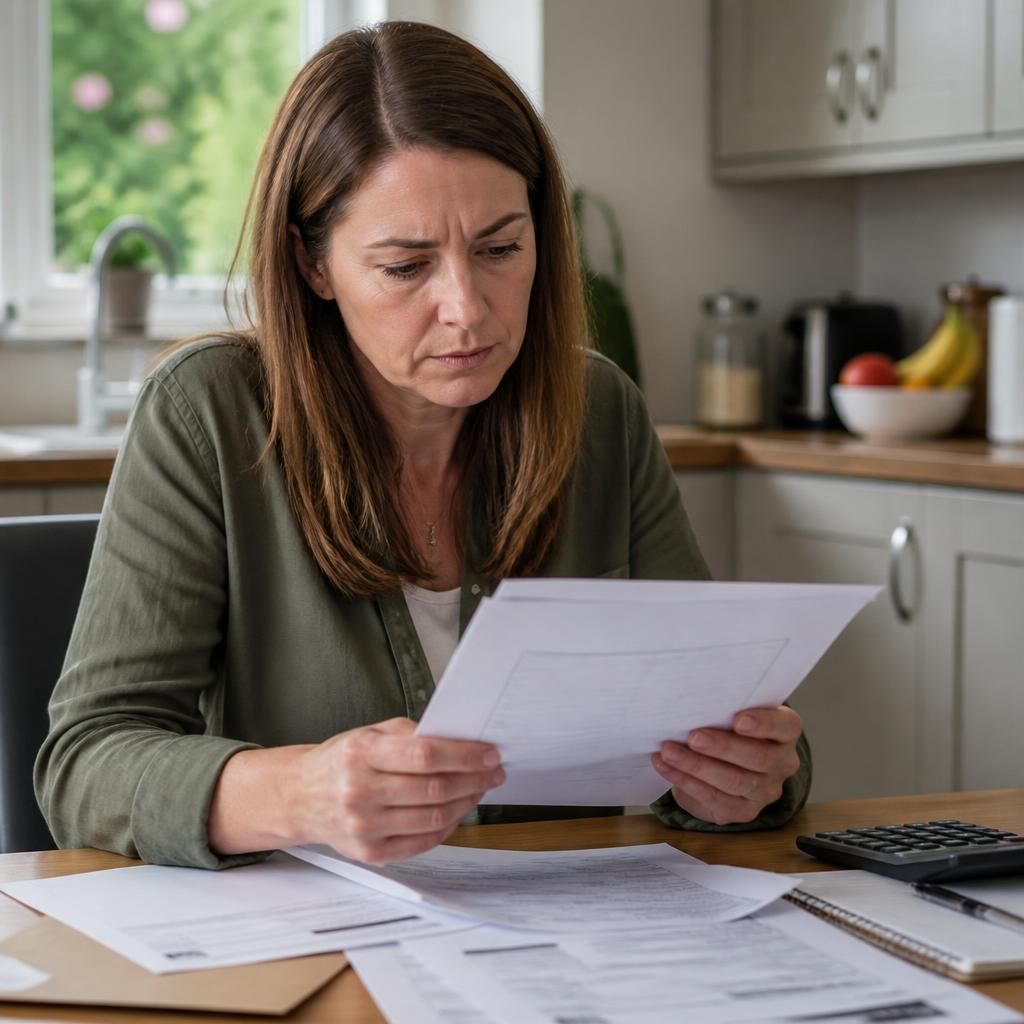
If your council awards Council Tax Reduction, check the decision notice for the date the reduction starts, the income used in the calculation and the period covered. Awards do not always begin automatically from the date your circumstances changed. If you delayed applying because of a change in fostering arrangements or household income, ask whether the local scheme allows backdating and what evidence is required.
Keep the decision notice with your Council Tax bills and review the award when your circumstances change. This can help you identify quickly if the reduction has ended, been amended or needs to be reconsidered.
Get guidance on council tax and fostering
If you are considering fostering and want to understand the financial questions to raise with your council, speak to our fostering team for guidance on the information you may need to prepare.