

Can foster carers claim a council tax reduction?
Foster carers do not receive an automatic council tax reduction simply because they foster, but they may qualify for support under their local council’s council tax scheme. Eligibility can also depend on household circumstances, such as whether they live alone or have a low income, so contact the council that issues your bill to check which reductions or discounts apply.
Partnering with an
Ofsted Outstanding Provider
Council Tax Reduction is assessed under your local council’s own scheme, rather than being a specific payment for foster carers. It is usually based on factors such as household income, savings or capital, who lives in the property and whether anyone receives certain benefits. Fostering income may be treated differently from ordinary employment income, so the council’s assessment rules are important.
It is also useful to distinguish between the following types of council tax support:
- Council Tax Reduction: a means-tested reduction for households on a low income or receiving qualifying benefits.
- A council tax discount: a reduction based on the people counted as adults in the property, such as the single-person discount where the conditions are met.
- An exemption: circumstances in which no council tax is payable, usually because of the property’s status or the people occupying it. Fostering alone does not generally make a home exempt.
When assessing the household, the council will consider the adults who normally live at the address. Children are not counted as adults for council tax purposes, and the treatment of a fostered child or young person can depend on their age and circumstances. A foster placement should therefore be reported accurately, particularly if a young person reaches adulthood, moves in or leaves the household.
Whether fostering payments affect a Council Tax Reduction claim depends on the local authority’s scheme and the way it treats fostering allowances and other income. Some schemes may disregard certain fostering payments, while others may assess particular types of income or capital. This means that a foster carer should not assume that their full fostering allowance will be counted, or that it will automatically be ignored.
To apply, use the Council Tax Reduction application process provided by the council named on your bill. You will normally need to provide information about:
- your household and the adults living at the property;
- earnings, benefits, pensions and other income;
- savings or other capital, where relevant;
- your tenancy or ownership details; and
- any changes in circumstances connected with a fostering placement.
The council may ask for evidence such as payslips, benefit award notices, bank information or fostering payment records. If you already receive Universal Credit or another benefit, do not assume that this includes help with council tax: Council Tax Reduction is administered separately by the council, so a separate claim may be required.
Foster carers should also tell the council about changes that could affect the assessment. These may include a new placement, the end of a placement, a change in household members, a change in income or a change in benefit entitlement. If the council refuses the claim or awards less support than expected, request a written explanation and check the council’s review or appeal procedure. The decision should explain how the household’s income and circumstances were assessed.
Because schemes differ between councils, the most reliable way to establish entitlement is to check the rules of the authority that issues your council tax bill. A fostering service can explain how fostering payments are recorded, but the council remains responsible for deciding Council Tax Reduction and any council tax discount.
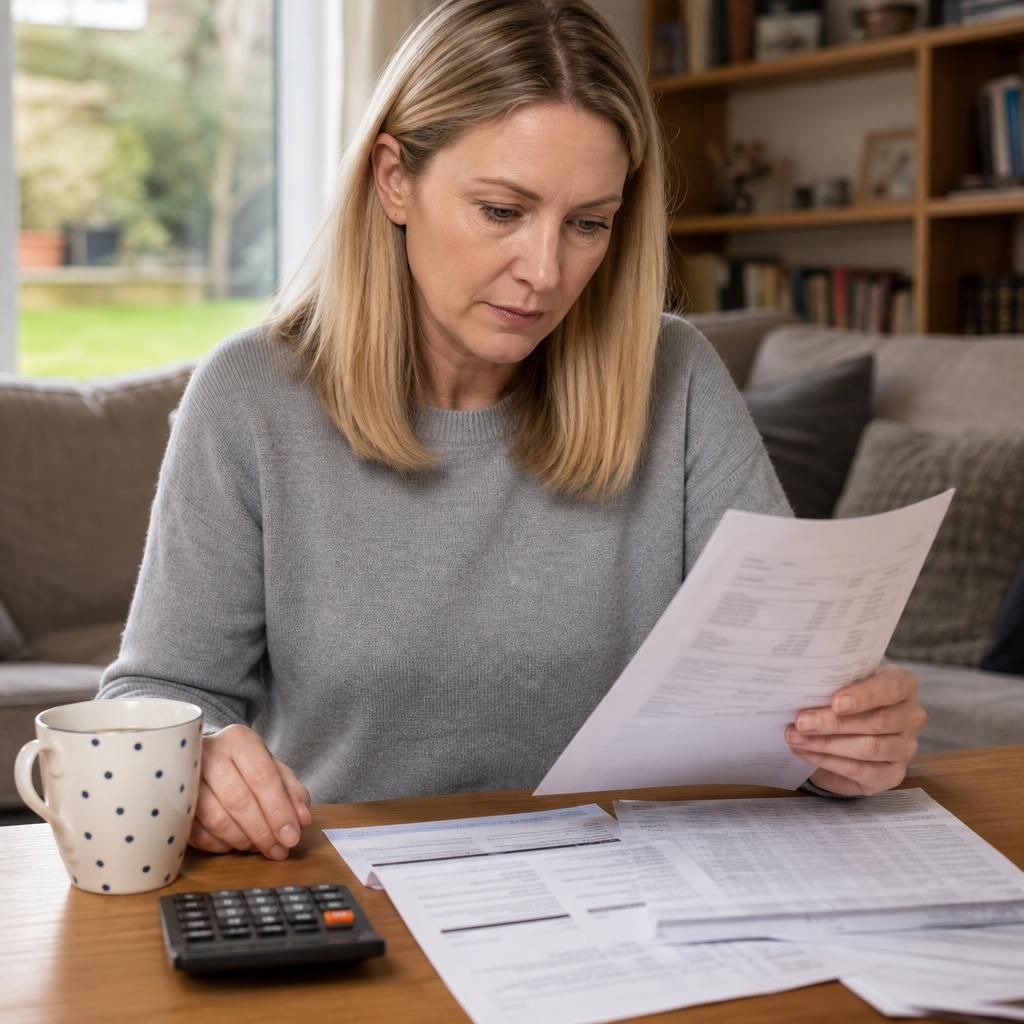
Fostering does not normally change who is responsible for paying the council tax bill. The person who owns or rents the property will usually remain liable, even when a foster child or young person moves into the household. A placement may affect how the council assesses household circumstances, but it does not transfer responsibility for the account to the child or the fostering service.
Keep your council tax account details accurate and ask the council to explain how a placement affects your assessment before making assumptions about a discount or reduction. This is particularly important where the placement involves a young person whose age or living arrangements may change during the fostering period.
Find out whether you could claim a council tax reduction
If you are considering fostering and want to understand how fostering allowances may fit alongside your household finances, speak to our team for clear guidance about the next steps.