
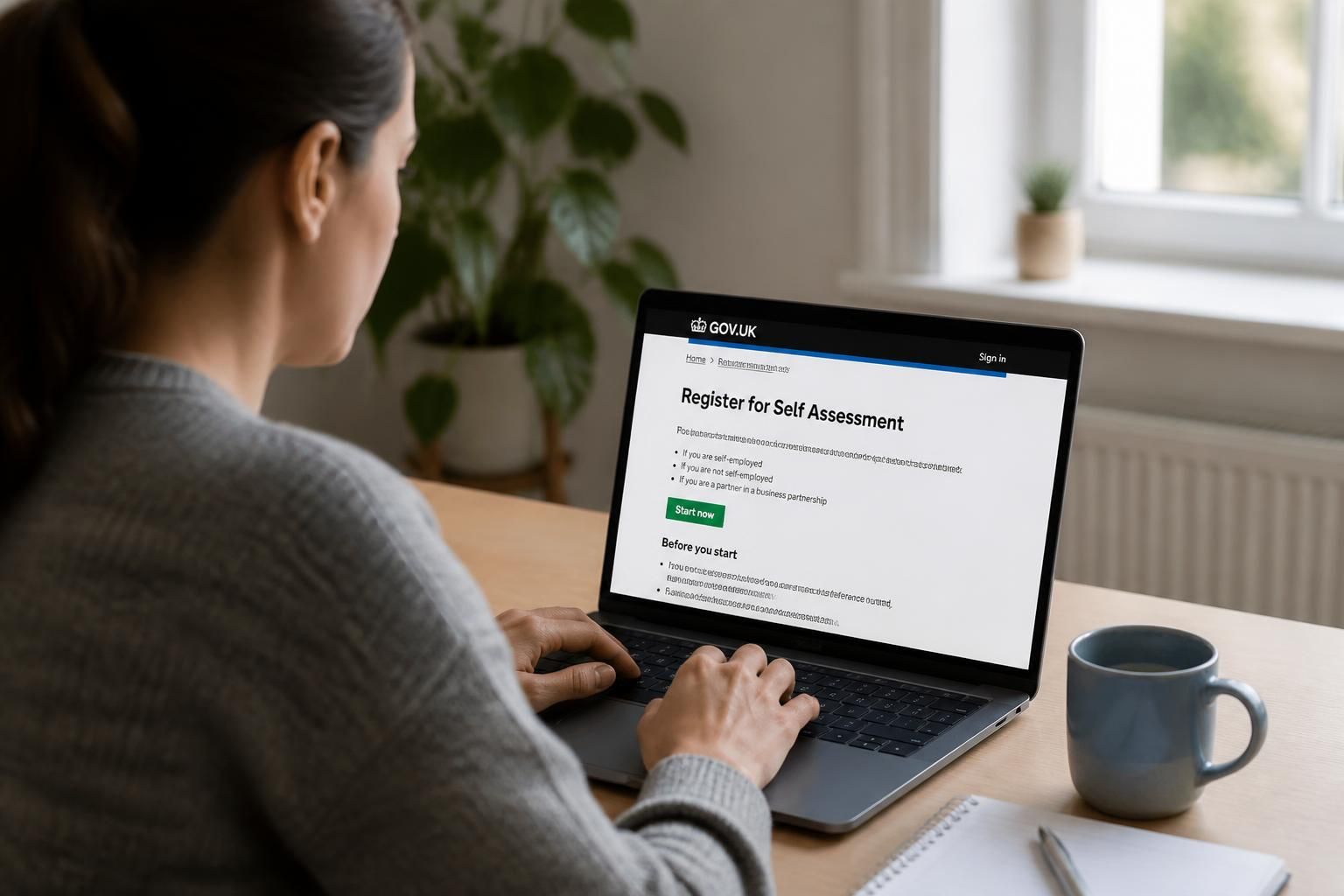
How do foster carers register as self-employed with HMRC?
Foster carers register with HMRC as self-employed by signing up for Self Assessment online, after which HMRC issues a Unique Taxpayer Reference (UTR). You use this reference to complete your tax return and report your fostering income, taking qualifying care relief into account where applicable.
Partnering with an
Ofsted Outstanding Provider
Foster carers normally deal with HM Revenue and Customs (HMRC) as self-employed individuals for tax purposes. Registration is a separate administrative step from applying to foster and does not, by itself, mean that tax will be payable on every fostering payment.
To complete the registration, you will generally need to provide:
- your full name, address and contact details;
- your National Insurance number;
- the date your fostering activity began; and
- information about the nature of your self-employed work.
Use your personal HMRC online account to notify HMRC that you have started self-employed work. Select the option that relates to Self Assessment and self-employment, then follow the instructions for foster carers. HMRC will confirm the registration and explain what you need to do next. Keep this confirmation with your tax records.
The usual notification deadline is 5 October following the end of the tax year in which you started fostering. The UK tax year ends on 5 April. For example, if your fostering activity began during the tax year ending 5 April, you would normally notify HMRC by 5 October of that year. Do not wait until you receive your first annual tax return reminder if the registration deadline is approaching.
If you have already registered as self-employed for another activity, you may not need a completely new self-employment registration. You should still tell HMRC that fostering is another source of self-employed income and keep the records separately enough to identify fostering payments and related costs. If you are unsure how to update your existing circumstances, ask HMRC or a qualified tax adviser.
Once registered, keep accurate records from the date you began fostering. Useful records include:
- statements or schedules showing fostering payments;
- receipts and invoices for allowable fostering-related costs;
- records of payments made by a fostering service or local authority;
- details of any other self-employed work or income; and
- correspondence with HMRC about your registration and tax return.
These records help you complete Self Assessment accurately and establish which part of your fostering income may be covered by qualifying care relief. The relief is calculated using the relevant qualifying amount for your household and fostering circumstances, so registration should not be treated as a calculation of the tax you owe.
If two people in a household foster, do not assume that registering one person automatically registers the other. The correct arrangement depends on who is carrying on the fostering activity and how the fostering service has set up the payments. Each person should check their own position before completing a return.
Registration can also be necessary even where qualifying care relief means there is little or no taxable fostering profit. HMRC registration and the calculation of taxable income are different stages. If your circumstances change—for example, you stop fostering, begin receiving payments under a different arrangement or add another source of self-employed income—update HMRC and retain evidence of the change.
Become a Foster Family can provide general guidance about the financial side of fostering, but HMRC is responsible for individual tax registration and tax decisions. Where your circumstances are complicated, particularly if you have a partner, other self-employment, employment income or property income, obtain advice based on your own records.
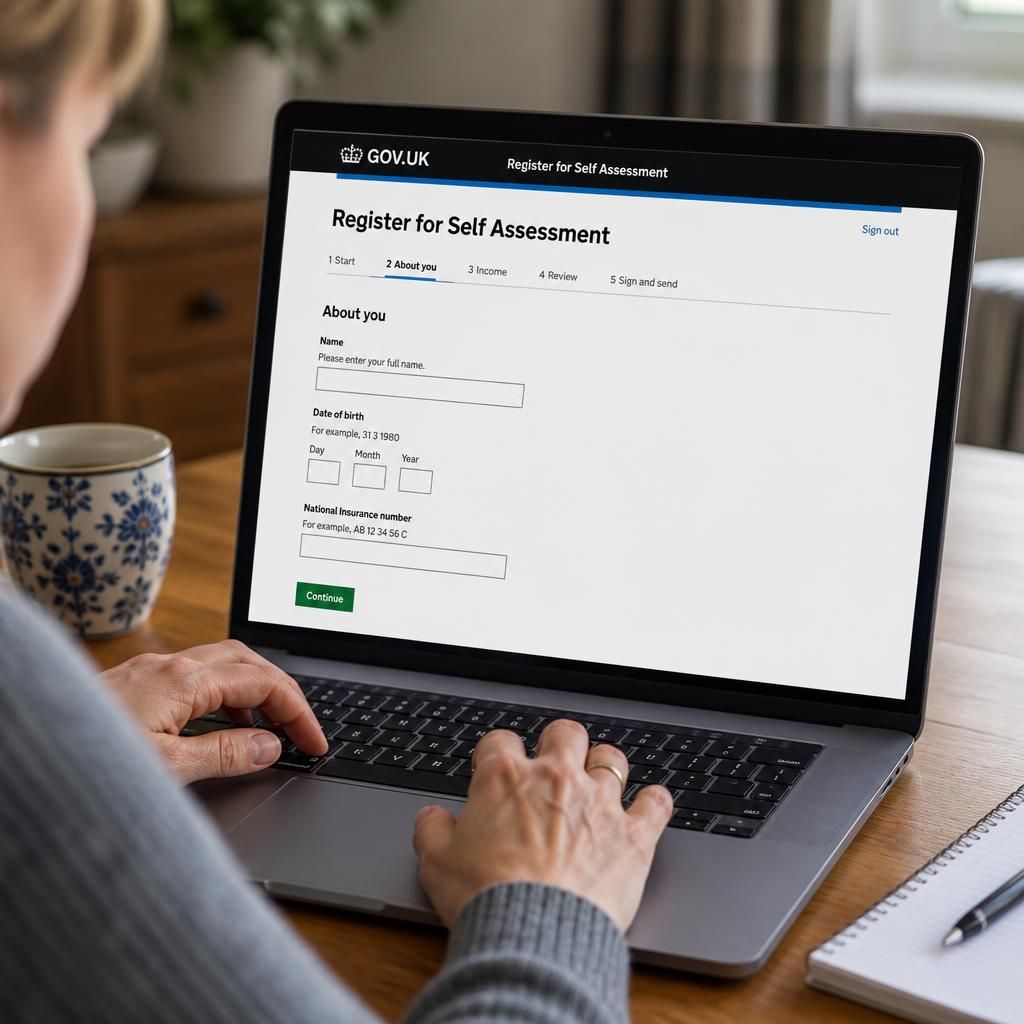
After HMRC confirms your registration, check that the details recorded for you are accurate, particularly your name, address and the date your fostering activity began. Keep the confirmation and your Unique Taxpayer Reference securely with your financial records, as you may need them when dealing with HMRC or completing future Self Assessment paperwork.
If any of these details are wrong, or your fostering arrangements change, contact HMRC rather than relying on your fostering service to update your tax record. A fostering service can explain its own payment arrangements, but it cannot make individual tax decisions or correct your personal HMRC registration.
Need help registering as self-employed with HMRC?
Speak to Become a Foster Family to discuss the practical steps involved in fostering and the support available as you consider your application.