

Can kinship carers receive backdated payments?
Kinship carers may be able to receive backdated payments, but this is not automatic and depends on the type of kinship arrangement, when support was requested and the local authority’s policy. Ask the responsible local authority to confirm whether financial support can be backdated and what evidence or application is required.
Partnering with an
Ofsted Outstanding Provider
Backdated financial support for kinship care is possible in some circumstances, but the route used to care for the child is crucial. The position can differ between kinship foster care, a special guardianship order, a child arrangements order and an informal family arrangement. Each has different rules about allowances, assessments and responsibility for meeting costs.
If you are an approved kinship foster carer, check the fostering service’s payment policy and the date from which your allowance should have been calculated. A payment may need correcting if an agreed allowance was not paid, was paid at the wrong rate or was missed during an administrative change. This is different from asking for a new allowance to cover an earlier period when no payment had been agreed.
For special guardianship or other legal arrangements, financial support may be considered as part of the support package. It can sometimes include help with costs already incurred, a recurring payment or a one-off payment, depending on the circumstances and the relevant assessment. The authority may look at the child’s needs, the carers’ financial position, the arrangement made for the child and whether the expenditure was reasonable and evidenced.
Backdating is more likely to be considered where there is a clear record that:
- the child was placed with you or the legal arrangement began on a particular date;
- you asked for financial help or an assessment before the costs were incurred;
- the authority agreed, or appeared to agree, that support would be provided;
- there was a delay or error in assessing, approving or paying the support; or
- you incurred necessary costs because of the child’s needs and can provide supporting evidence.
Backdating may be refused where the arrangement was informal, no request for support was made at the relevant time, the payment is discretionary or the policy only permits payments from a particular decision or approval date. A kinship allowance is not automatically payable simply because a relative or friend is caring for a child.
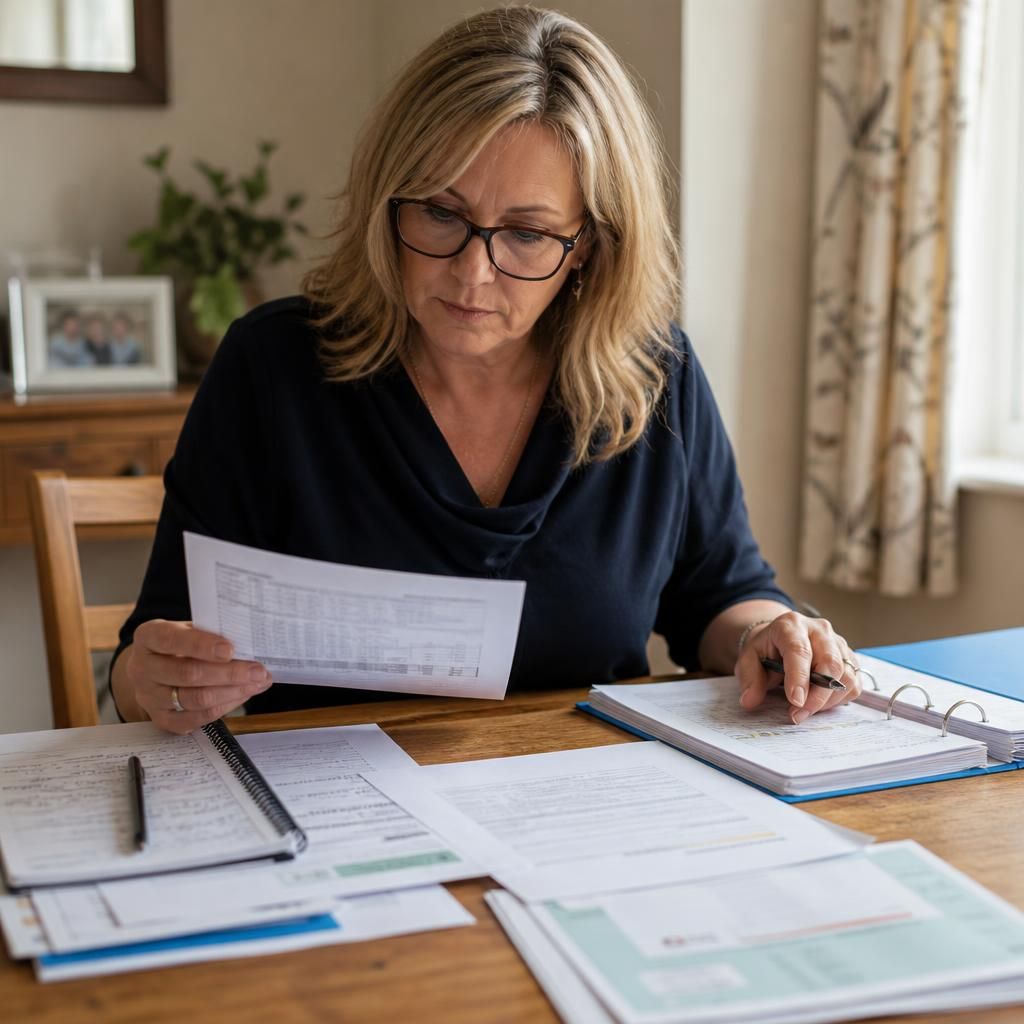
When making a request, set out the dates clearly and distinguish between regular payments and individual expenses. Include the date the child came to live with you, the legal status of the placement, when you first contacted children’s services, what you were told, and the period for which you are seeking arrears. Keep copies of emails, letters, assessment documents, placement records and receipts. If you are asking for reimbursement, explain why each cost was necessary for the child’s care.
Ask for a written decision that explains:
- whether you qualify for the type of support requested;
- the period covered by any payment;
- how the amount was calculated;
- which policy or assessment was applied; and
- how to challenge the decision if you disagree.
If the request is rejected or the decision does not address the dates and evidence you supplied, use the authority’s review or complaints procedure. A complaint can be appropriate where there has been delay, poor administration or a failure to follow the relevant policy, while a review or appeal route may apply to the decision itself. An independent kinship care adviser, solicitor or local advice service can help you understand the paperwork and whether further challenge is worthwhile.
Keep in mind that a backdated payment may affect other financial support you receive. Before accepting arrears or a regular allowance, check whether you need to report the change to the relevant benefits or tax authority. The written decision should also clarify whether the payment is an allowance, reimbursement or another form of support, as this can affect how it is treated.
The most useful first step is to request a written assessment of the support available under your specific kinship arrangement, together with a decision on the period for which you are seeking payment. This creates a clear record and makes it easier to identify whether the issue is eligibility, calculation, evidence or delay.
The child’s care history can affect whether backdated support is considered. For example, the financial arrangements available after a child has been looked after by the local authority may differ from those for a child who moved into a relative’s care through a private family arrangement. The same legal order can therefore lead to different decisions depending on the circumstances before it was made.
When asking about arrears, confirm whether the child was previously looked after, the date that status ended and which service is responsible for assessing support. Ask the local authority to explain which framework applies to your case and whether any support plan or agreement was expected to begin before the current payment date. This can prevent a request for backdated money being considered under the wrong route.
Ask about backdated kinship payments
If you need help understanding the financial support available for your kinship arrangement, contact Become a Foster Family for guidance on the questions and documents to take to your local authority.