

How often is kinship fostering allowance paid?
Kinship fostering allowance is usually paid weekly, although the exact schedule can vary between local authorities and fostering arrangements. The responsible authority should confirm the payment frequency, first payment date and any changes during the assessment and approval process.
Partnering with an
Ofsted Outstanding Provider
There is no single UK-wide payment day for kinship fostering allowance. Most approved kinship fostering arrangements use a weekly payment cycle, but the exact day and payment process are set by the responsible local authority or fostering service.
The written fostering agreement or payment information should explain:
- the regular payment day or payment window;
- whether payments are made in advance or in arrears;
- when the first payment is expected;
- how the allowance is calculated if a placement begins part-way through a payment period; and
- how changes, corrections or missed payments are dealt with.
The first payment may not follow the normal cycle. This can happen where the placement begins before the authority’s finance system has processed the approval, or where further information is needed to set up the carer’s bank details. The authority should explain whether any amount due for an earlier period will be included in the first payment or paid separately.
Payment frequency should not be confused with the amount of allowance. The rate may depend on the child’s age, needs, the type of placement and the policy used by the responsible authority. Additional payments for particular costs may also follow a different timetable from the regular fostering allowance, so the carer should check which payments are included in the agreed schedule.
If the payment date falls near a bank holiday or other processing date, the money may reach the account on a different working day. The relevant finance or fostering team can confirm how its payment calendar operates. A carer should keep the written agreement, payment statements and records of any agreed additional costs, as these make it easier to identify an underpayment or query a delayed transaction.
Where the child moves, the fostering approval changes or the placement ends, the final payment may be adjusted to reflect the dates for which the allowance is due. The authority should provide clear notice of the change and explain how any outstanding amount will be settled.
If the expected payment has not arrived, contact the responsible authority’s fostering or finance team and provide the child’s placement details, the expected payment date and any relevant reference number. It is also sensible to ask for confirmation in writing of the ongoing payment cycle, rather than relying on an informal verbal explanation.
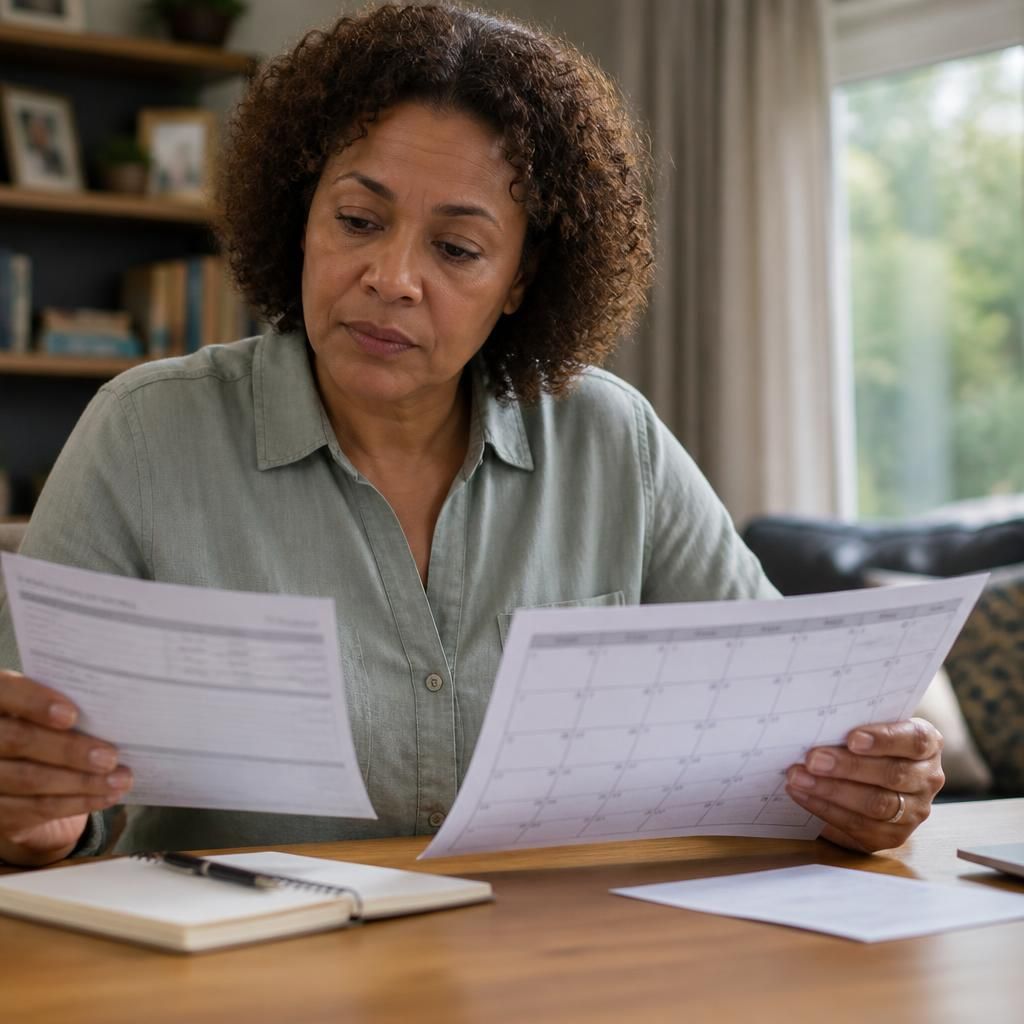
Payment frequency depends on the legal arrangement as well as the authority’s payment process. A kinship carer approved as a foster carer should receive the fostering allowance set out in the written agreement, but an informal family-care arrangement, special guardianship order or child arrangements order may involve different financial support and payment rules. Before relying on a payment date, ask the child’s social worker to confirm the arrangement’s legal status, which payment applies and who is responsible for administering it.
Get guidance on kinship fostering allowance payments
If you need help understanding how kinship fostering allowance payments apply to your circumstances, speak to our fostering team for clear guidance on the next steps. You can ask questions about the assessment, written agreement and support available before deciding whether to proceed.