
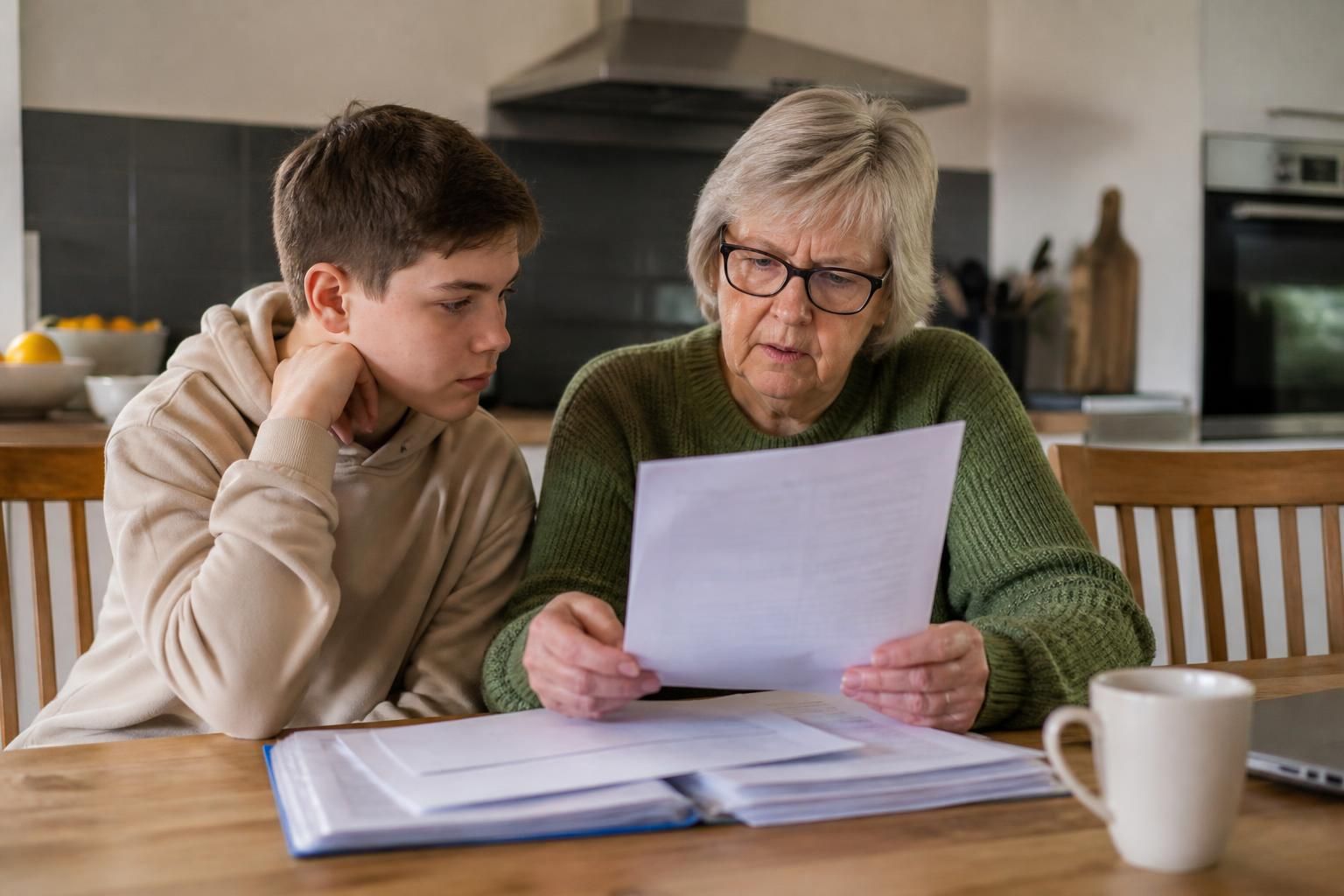
Can a grandparent’s kinship allowance change during a placement?
Yes. A grandparent’s kinship allowance may change during a placement if the child’s needs, care arrangements or agreed support change; any adjustment should be discussed with the local authority or fostering service and confirmed clearly.
Partnering with an
Ofsted Outstanding Provider
A kinship allowance is not necessarily fixed for the whole of a placement. The amount and terms may be reviewed when there is a material change in the child’s care needs, the approved arrangement or the responsibilities being undertaken by the grandparent. The relevant local authority or fostering service should explain the reason for any proposed change and set out the revised arrangement in writing.
Changes may be considered in circumstances such as:
- the child developing additional health, emotional, behavioural or educational needs;
- the child moving into a different age band or requiring a different level of supervision;
- the placement changing from an emergency or temporary arrangement to a longer-term plan;
- another child joining or leaving the household;
- the grandparent taking on substantially different day-to-day responsibilities; or
- the placement ending, being disrupted or changing to another form of care.
Not every change will result in a higher or lower payment. The decision should be based on the applicable local policy, the child’s assessed needs and the written terms of the placement. A general change in household costs does not automatically create an entitlement to an increased allowance, so it is important to ask how the authority has reached its decision.
At the start of the placement, the grandparent should receive clear information about the allowance, including:
- the amount agreed and how it will be paid;
- which costs the allowance is intended to help meet;
- when the arrangement will be reviewed;
- what information or evidence may be needed if the child’s needs change; and
- what happens if the placement ends or the child’s legal or care status changes.
A review may be planned as part of the placement agreement, or it may be requested when circumstances change. A grandparent should contact the child’s social worker, supervising social worker or the payments team rather than assuming that a change will happen automatically. Explain what has changed, when it began and how it affects the child’s care. Keep copies of relevant assessments, meeting notes, receipts and written decisions, particularly where extra costs or additional supervision are involved.
Any revised amount should be confirmed in writing before relying on it for regular household budgeting. The written information should state the effective date, the payment rate or method, whether the change is temporary or ongoing, and whether any backdated adjustment has been agreed. If the authority changes an arrangement without providing a clear explanation, ask for the decision and the policy basis in writing.
If a grandparent disagrees with the outcome, the first step is usually to request clarification from the social worker or fostering service. If the issue is not resolved, ask about the authority’s formal review, complaints or representations procedure. The process can depend on whether the child is looked after by the local authority, placed under a kinship fostering arrangement or cared for under another legal order, so the paperwork connected with the placement matters.
An allowance review should not be confused with the separate assessment of whether the placement remains safe and suitable. Financial discussions should take place alongside proper consideration of the child’s welfare, the grandparent’s capacity to provide care and any support services required. Where needs increase, ask whether additional practical support, equipment, respite or specialist services should be considered as well as a payment review.
Before accepting a proposed change, a grandparent can ask:
- What specific change has led to the review?
- Which policy or placement agreement has been applied?
- Is the decision based on a new assessment of the child’s needs?
- When will the revised amount start, and is it temporary?
- How can the decision be challenged or reviewed?
Because kinship arrangements are assessed individually, there is no single rule that guarantees an increase or protects an allowance from change throughout every placement. The safest approach is to keep the payment agreement with the placement records, report significant changes promptly and obtain every revision from the local authority or fostering service in writing.

A change in the child’s legal or care status can affect the basis on which a grandparent receives financial support. For example, an allowance linked to a looked-after placement may be reviewed if the child moves to a different arrangement, such as a special guardianship order or another court-approved care arrangement. The payment may then be governed by different rules, so it should not be assumed that the existing rate will continue automatically.
Before a planned change takes effect, ask the local authority to explain which arrangement now applies, who is responsible for the payment and whether a new agreement or assessment is required. Keep the original decision letter and any replacement documents together, as these records can clarify why the allowance has changed and what support is available under the new arrangement.
Get advice about your grandparent’s kinship allowance
If you need help understanding how a change in placement may affect your grandparent’s kinship allowance, speak to our team for clear guidance on the next steps.