

Who can receive council fostering allowance payments?
Council fostering allowance payments are generally received by approved foster carers who are caring for a child placed with them by a local authority or fostering service. You must complete the assessment and approval process before payments can begin, and the amount depends on the child’s needs, age and the applicable council allowance rates.
Partnering with an
Ofsted Outstanding Provider
Council fostering allowance payments are normally paid to the approved foster carer who provides day-to-day care for a child placed through a local authority or fostering service. This can include single carers, couples and people caring for a child they already know, such as a relative or someone connected to the child, provided they have been approved under the relevant fostering arrangements.
Payment is linked to an approved fostering placement rather than simply to a person’s interest in fostering. In most cases, you must:
- meet the basic requirements to foster;
- complete the fostering assessment and preparation process;
- receive formal approval as a foster carer; and
- have a child placed with you under an agreed fostering arrangement.
People who have only made an enquiry, submitted an application or started training do not usually receive fostering allowances. Training and assessment are important steps towards approval, but they do not by themselves create entitlement to placement payments.
The person or people named in the fostering approval and placement agreement will generally be responsible for receiving the allowance. Where a couple foster together, the arrangements should make clear how payments are administered. The allowance is intended to contribute towards the costs of caring for the child, so it is not normally treated as a payment to the child themselves.
There are several routes into foster care. You may be approved directly by a local authority, or by an independent fostering service that places children on behalf of local authorities. In the latter situation, the service usually sets out its own payment arrangements, which may include an allowance and, where applicable, a separate professional fee. The amount and structure can therefore depend on who approved you, who arranged the placement and the terms of your fostering agreement.
Family and friends foster carers may also qualify for payments once the appropriate approval or assessment route has been completed. The rules can differ for emergency, temporary or specially assessed arrangements, so the responsible fostering service should explain what financial support applies before or when the placement begins.
Approval alone does not necessarily mean that an allowance is paid continuously. Payments are generally connected to the child placed with you and the conditions set out by the council or fostering service. The placement agreement should explain the rate, payment arrangements and any additional support available for the particular child.
If you are considering fostering, ask the council or fostering service to confirm:
- whether you would be approved as a foster carer or under a connected-person arrangement;
- which organisation would make the payments;
- what the basic allowance covers;
- whether additional payments may apply to a child with specific needs; and
- how payments are recorded and reviewed during the placement.
Become a Foster Family can explain the assessment, approval and support stages to people considering fostering across Birmingham, Worcestershire, Staffordshire, Dudley, Sandwell, Herefordshire, Telford, Wolverhampton, Shropshire, Walsall, Warwickshire, Stoke, Solihull, Coventry and Gloucestershire. The correct entitlement will still depend on the fostering service responsible for your approval and the individual placement.
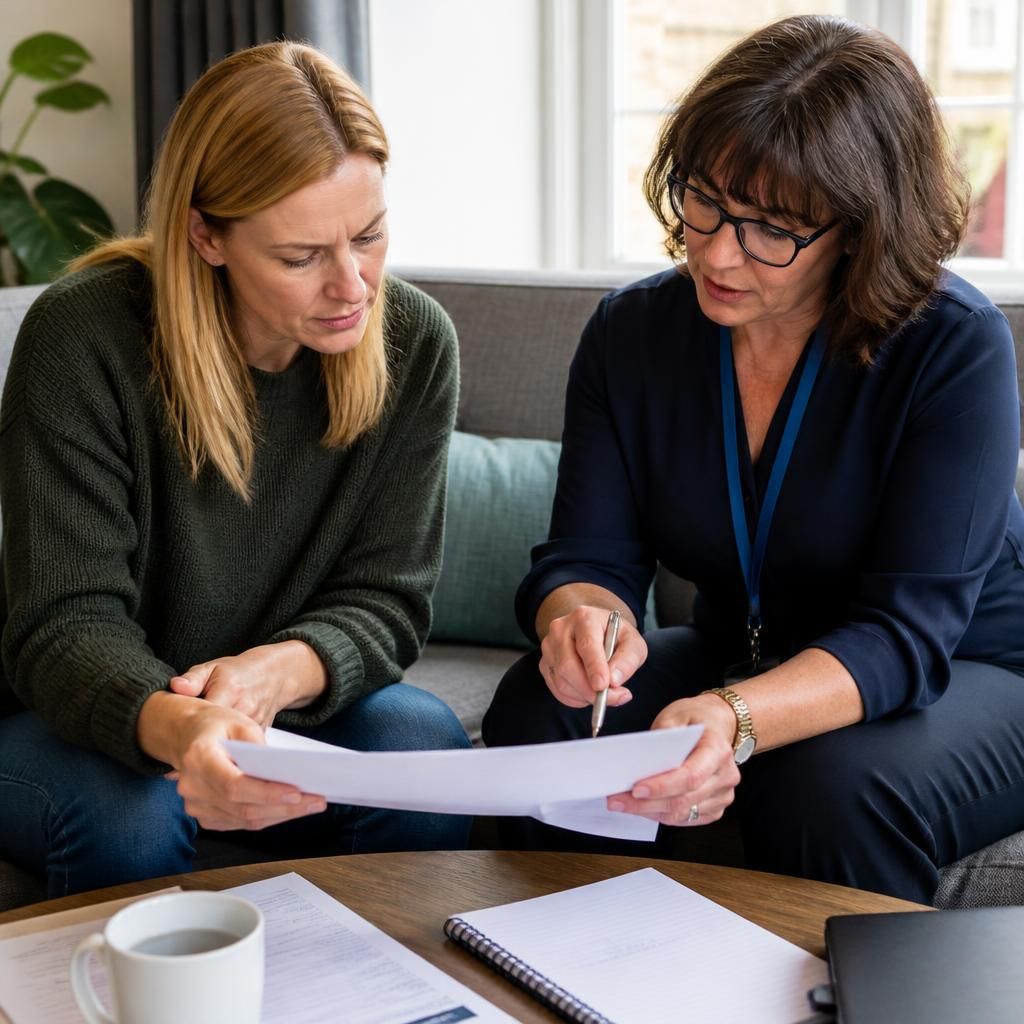
Eligibility to receive a council fostering allowance should be confirmed in writing before a placement begins. The fostering agreement or placement paperwork should identify the approved carer or carers who will receive the payment, the rate that applies, the payment schedule and any review arrangements. This is particularly important where two adults foster together or where a child is placed with a relative or family friend.
Keep the agreement and payment records with your fostering documents. If the placement details change, ask the responsible council or fostering service to explain whether this affects the person receiving the allowance or the amount payable. Become a Foster Family can help you understand what to ask during the fostering approval process.
Find Out If You Could Receive Fostering Allowance Payments
If you are considering fostering, contact Become a Foster Family to discuss your circumstances and the approval route that may apply to you. You can also ask what financial support could be available if you go on to care for a child.