

How often is special guardianship allowance reviewed?
Special guardianship allowance is usually reviewed at least annually by the local authority, although the exact timing is set out in your allowance agreement. A review may also be triggered by a significant change in circumstances, such as changes to the child’s needs, your household or your financial situation.
Partnering with an
Ofsted Outstanding Provider
A special guardianship allowance review is a formal check that the payment remains appropriate for the child’s needs and the special guardian’s circumstances. The local authority will normally reassess the information used to calculate the allowance, rather than simply continuing the original amount indefinitely.
The review may consider:
- the child’s current care, health, educational and practical needs;
- whether the child’s circumstances have changed since the allowance was agreed;
- the special guardian’s household income and essential outgoings;
- any changes to other financial support, benefits or relevant household circumstances; and
- whether the child continues to live with the special guardian under the special guardianship order.
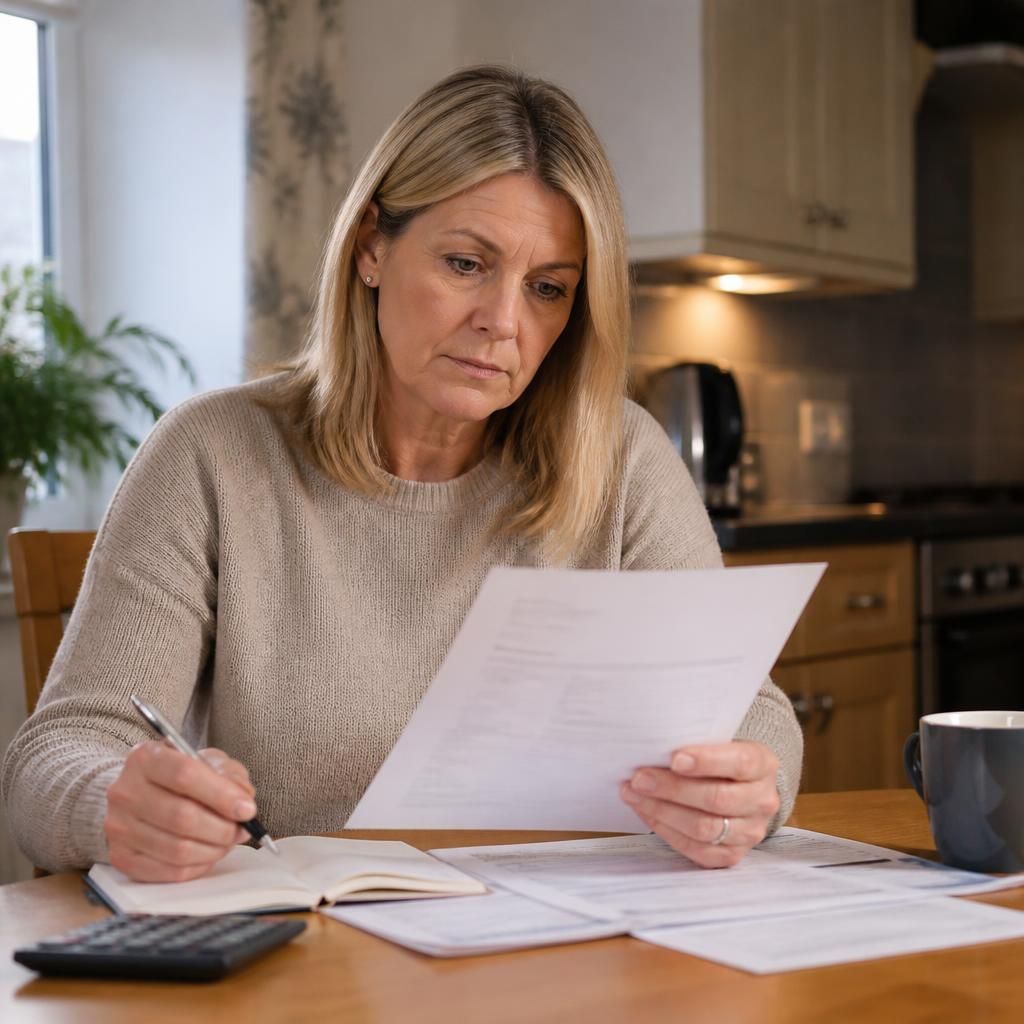
The local authority should explain what information it needs and how the review will be carried out. You may be asked for up-to-date evidence, such as proof of income, benefit information, details of household changes and records of additional costs connected with caring for the child. Keep copies of anything you submit and note when it was sent.
A review does not automatically mean that the allowance will increase. The outcome could be that the existing payment continues, is adjusted, or is no longer payable. Any decision should be explained in writing, including how the local authority reached its conclusion and when any change will take effect.
Tell the local authority promptly if there has been a significant change rather than waiting for the next scheduled review. Examples can include:
- a change in the child’s needs or care arrangements;
- a change in your household or caring responsibilities;
- a substantial change in income or essential expenditure;
- the child moving out of your household; or
- another change that could affect your eligibility or the amount of support required.
Reporting changes helps ensure that the assessment is based on accurate information. Failing to report a relevant change could lead to an overpayment, which the local authority may seek to recover.
If you disagree with the review outcome, first ask the local authority for a written explanation and a copy of the financial assessment or calculation, where this can be provided. Check that it has included the child’s needs, your current circumstances and any evidence you supplied. You can then ask for the decision to be reconsidered through the authority’s review or complaints procedure. The route and deadline should be set out in the decision letter.
It is also important to check your special guardianship support plan or allowance agreement. This should identify the basis on which the payment was made, the information needed for reviews and what happens if your circumstances change. The terms can vary between local authorities, so the agreement and the relevant local policy should be treated as the starting point.
If you are unsure whether a change needs to be reported, or you think the review does not reflect the child’s actual needs, obtain independent advice before accepting a revised decision. A fostering or family-support adviser may help you understand the paperwork and prepare questions for the local authority, although the authority remains responsible for making and explaining the allowance decision.
A review of special guardianship allowance is separate from a review or change to the special guardianship order itself. The allowance review considers whether financial support remains appropriate; it does not, by itself, end your legal status as the child’s special guardian or cancel the order.
If the local authority proposes reducing or stopping the allowance, check the decision carefully to establish whether this concerns the payment only or reflects a change in the child’s living arrangements or eligibility. The written decision should explain the effective date and any steps available to challenge the outcome. If the position is unclear, ask the local authority to confirm it in writing before relying on a revised payment.
Need help understanding your allowance review?
If you need help understanding an allowance review or preparing questions for the local authority, speak to our fostering and family-support team for practical guidance.