

What documents are needed to apply for special guardianship allowance?
To apply for special guardianship allowance, you will usually need identity documents, proof of address, household details and financial evidence such as payslips, benefit statements, bank statements and details of regular outgoings. The local authority may also request information about the child’s needs and any existing support or benefits, so check its application requirements for the exact documents needed.
Partnering with an
Ofsted Outstanding Provider
There is no single national document pack for a special guardianship allowance application. The local authority decides what it needs to assess the child’s circumstances, the proposed special guardian’s situation and the level of support that may be appropriate. Its written checklist should take priority, as requirements can differ between councils.
In addition to the standard financial and personal evidence requested at the start of an application, the local authority may ask for documents that confirm the legal basis for the arrangement. These can include relevant court papers, details of an existing or proposed Special Guardianship Order, placement documentation and correspondence from children’s services. If the order has already been made, provide a copy of the order and any later variation or discharge documents that affect the child’s care.
The council may also need information connecting the requested allowance to the child’s circumstances. This could include professional reports, care-planning documents, records of agreed support, or evidence of a significant change since an earlier assessment. These documents help the decision-maker understand why financial assistance is being requested and whether particular costs arise from the child’s care.
Where the application forms part of a wider special guardianship assessment, you may be asked to provide or complete additional documents, such as:
- consent and declaration forms confirming that the information supplied is accurate;
- medical assessment forms or relevant health information;
- references and checks required as part of the suitability assessment;
- documents relating to the child’s legal status and previous care arrangements; and
- payment details for the account into which an approved allowance would be made.
Some of these documents are used to assess suitability or safeguarding rather than to calculate the allowance itself. The local authority should explain which information is needed for the financial assessment and which forms part of the wider application.
Before submitting anything, check that copies are readable, dates are current and names are consistent across the documents. Keep the originals unless the council specifically asks to see them, and do not send original court papers or certificates by post without confirming the process. If documents contain information about other people, ask the local authority whether it wants the information included, covered or supplied through a secure method.
If you cannot obtain a document, tell the social worker or financial assessment officer rather than leaving an unexplained gap. They may accept an alternative record, obtain information directly from another department or note why the document is unavailable. Ask for confirmation of any missing items and keep a copy of the completed form and supporting evidence for your records.
When circumstances change after an allowance has been agreed, the council may request updated evidence as part of a review. This can include documents showing a change in the child’s arrangement, household circumstances or financial position. Providing the information promptly helps the authority reassess the support on the correct basis.
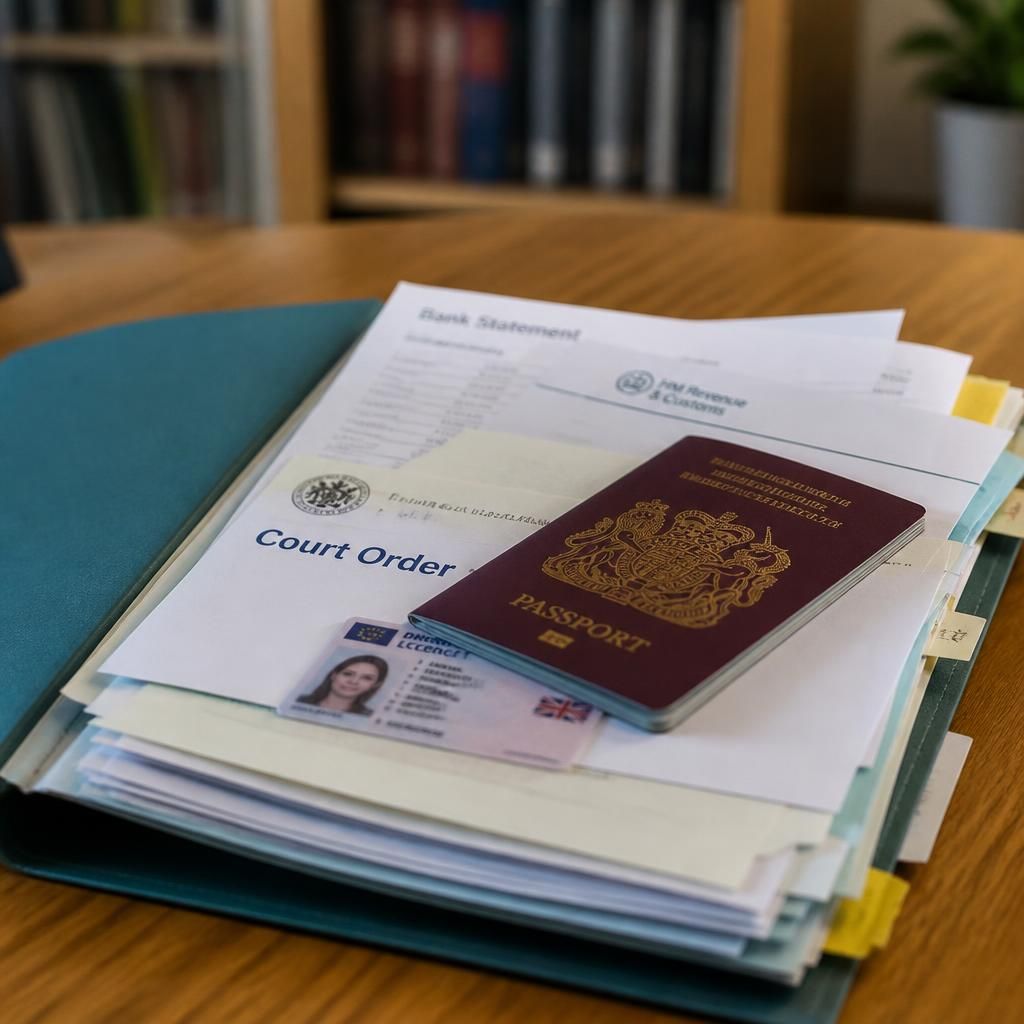
If you are self-employed, receive irregular income or have recently changed employment, the council may need different financial evidence from standard payslips. Depending on its assessment process, this could include recent tax returns, business accounts, an accountant’s statement, pension information or records of other regular income. Explain how your income is received and provide documents that show the position over the period requested, rather than submitting unsuitable evidence.
It may also help to prepare documents showing regular commitments, such as a tenancy agreement, mortgage statement, childcare costs or maintenance payments. These records give the local authority a clearer picture of your household finances when considering the allowance. Ask which items are relevant to your circumstances before sending detailed personal or business information.
Get guidance on your special guardianship allowance application
If you are unsure which documents apply to your circumstances, speak to our team for guidance before submitting your special guardianship allowance application. We can help you identify the questions to raise with the local authority and prepare for the assessment process.