
What expenses can special guardianship allowance help cover?
Special Guardianship Allowance can help with the costs of caring for a child, including everyday essentials such as food, clothing, household expenses, transport, education and activities. The exact amount and how it may be used depend on the child’s needs, your circumstances and the local authority’s assessment.
Partnering with an
Ofsted Outstanding Provider
Special Guardianship Allowance is intended to help meet costs that arise because you are caring for a child under a Special Guardianship Order. It may contribute towards the child’s day-to-day needs, one-off items, additional support and arrangements that help maintain their welfare. The precise expenses covered will depend on the child’s needs, your financial circumstances and the terms agreed with the local authority.
Allowable costs may include:
- Clothing and personal items: seasonal clothing, footwear, school uniform, toiletries, bedding and other items appropriate to the child’s age and circumstances.
- Food and household use: the child’s share of groceries, meals and ordinary household costs associated with caring for them.
- Travel and contact arrangements: journeys to school, appointments, family contact or activities, where these costs relate to the child’s care and the arrangements agreed with the local authority.
- Education: school-related equipment, trips, uniform requirements, study materials and other education costs that are not met elsewhere.
- Leisure and development: clubs, hobbies, sports, social activities and experiences that support the child’s development and participation in everyday life.
- Health and wellbeing: suitable items or services connected with the child’s health, emotional wellbeing or additional needs, where these are not provided through another service or funding source.
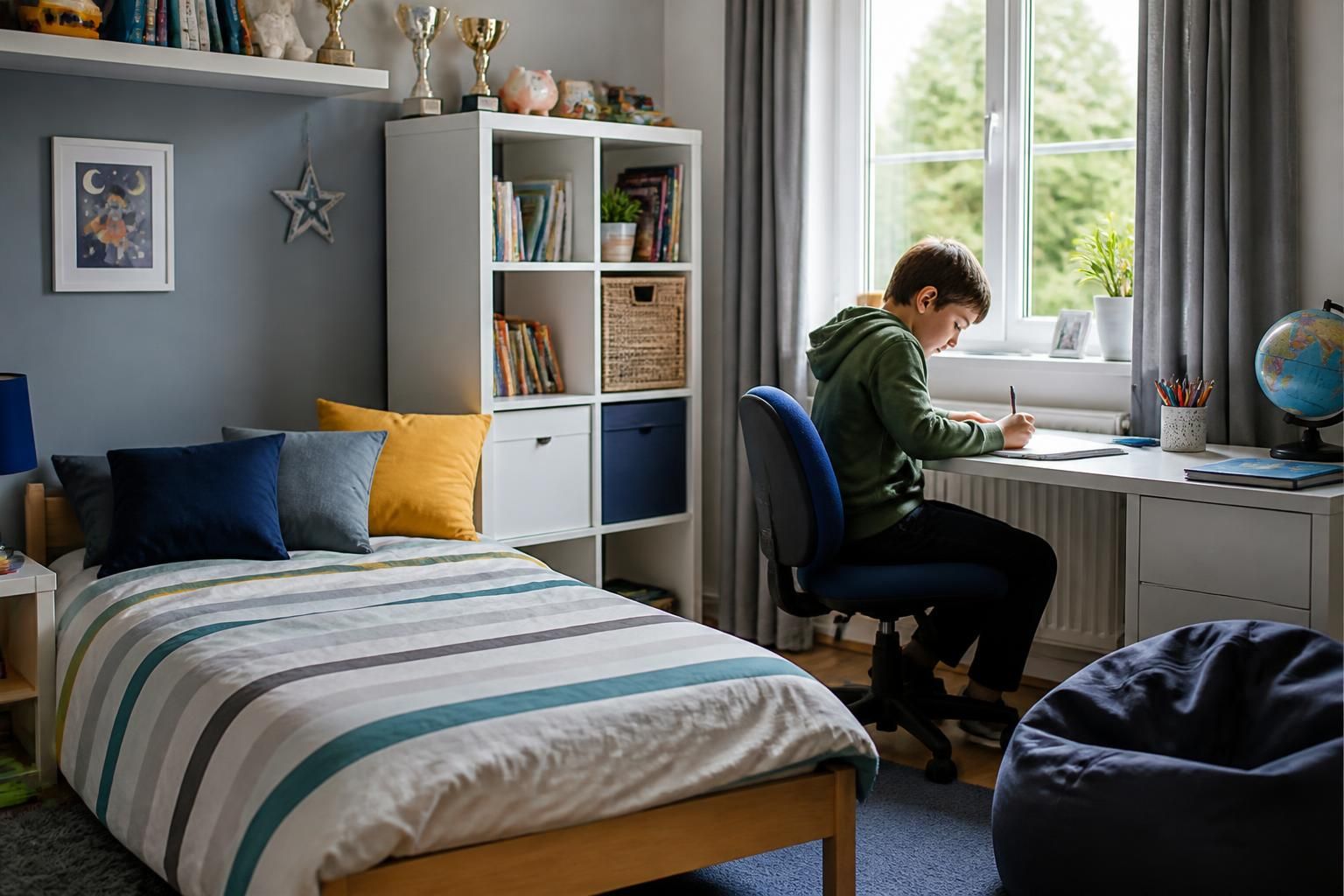
There may also be additional costs at the start of the arrangement. These can include setting up a suitable bedroom, buying essential furniture or equipment, and making practical changes to the home. Whether a particular one-off expense is included in the allowance, paid separately or considered through another support arrangement should be confirmed with the local authority before you commit to it.
Children with disabilities, medical conditions or complex emotional and behavioural needs may have costs beyond ordinary household expenditure. Examples could include specialist equipment, additional transport, adaptations or services recommended by professionals. Special Guardianship Allowance may not be the only source of help for these needs, so ask the local authority which costs it can assess and whether another department or agency should provide support.
The allowance is generally linked to the child’s needs rather than being unrestricted income for the guardian. It should not automatically be treated as payment for your time or as a replacement for every household expense. The local authority’s assessment should explain how the amount has been calculated, what it is intended to contribute towards and whether any costs need separate approval.
Keep receipts, invoices and notes for significant or unusual expenses, particularly one-off purchases and costs connected with education, medical needs, travel or contact. Good records can help you explain how the child’s needs have changed and provide useful information when the allowance is reviewed. Ask before spending if the written agreement requires prior authorisation; an expense that seems reasonable may not be reimbursed if it falls outside the agreed arrangement.
If an important cost is not covered, raise it with the local authority rather than assuming it must come from the regular allowance. Explain what the expense is, why it is necessary for the child and whether it is recurring or one-off. You can also ask for the decision and the reasons for it in writing, particularly where the cost relates to a disability, health need, education or contact arrangement. The local authority should then clarify whether the expense can be included in the allowance, considered as exceptional support or referred to another service.
When planning how to use a Special Guardianship Allowance, separate predictable recurring costs from occasional expenses. Regular spending may include food, clothing, travel and school needs, while larger costs such as equipment, furniture or organised activities may need to be planned separately. This helps you identify whether the allowance is meeting the child’s ongoing needs or whether the support plan needs to be revisited.
It is also useful to consider costs from the child’s perspective rather than treating the allowance as a general household budget. Where an expense benefits the whole household, only the reasonable share connected with caring for the child may be relevant. Keep the written financial support plan to hand, as it should set out how the local authority expects the allowance to contribute to the child’s care.
Get advice about Special Guardianship Allowance expenses
Before committing to a significant expense, ask the local authority to confirm in writing whether it can be included in your financial support plan. If you are also considering fostering, contact Become A Foster Family for guidance on fostering allowances and support.