

What happens if your circumstances change during a foster care assessment?
If your circumstances change during a foster care assessment, tell your assessing social worker or fostering agency as soon as possible. The change will be reviewed to decide whether further checks, information or assessment work are needed, and whether it affects your suitability to foster.
Partnering with an
Ofsted Outstanding Provider
A change in your circumstances does not automatically end a foster care assessment. The assessing social worker will consider what has changed, how permanent it is, and whether it affects your ability to provide safe, consistent care. The assessment may continue, be paused while further information is gathered, or need additional work before a recommendation can be made.
Changes that should be discussed include:
- a new relationship, separation, divorce or change in who lives in the household;
- moving home, planning a move or changes to the space available for a foster child;
- a new job, redundancy, changes to working hours or a significant change in finances;
- a physical or mental health diagnosis, deterioration in health, treatment or medication;
- a pregnancy, birth or change in the needs of a child already in the household;
- an arrest, conviction, caution, allegation or involvement with safeguarding services;
- a serious illness, bereavement or other event that affects your emotional availability; or
- a change in the availability of another household member who was part of the assessment.
Not every change will prevent you from fostering. For example, a job change may be manageable if the household can still meet the practical demands of fostering. A move may be acceptable if the new home is suitable and the timing does not disrupt the assessment. The important issue is whether the agency has accurate, current information on which to assess your circumstances.
Your assessing social worker will usually look at:
- the effect of the change on stability, routines and relationships within the household;
- the likely impact on a child’s safety, care and ability to settle;
- whether the proposed fostering role, age range or types of placement remain suitable;
- whether the change means another adult needs to be included in the assessment;
- whether updated medical information, references, financial details or other checks are needed; and
- whether further conversations, training, home visits or supporting evidence are required.
Some changes may alter the type of fostering that is appropriate rather than rule fostering out altogether. The assessment might need to consider a different age range, whether you can offer short-term or longer-term placements, or whether a particular type of placement would place unreasonable demands on your household. This should be discussed openly rather than assumed.
If the change concerns health, the agency may ask for updated information from your GP or another relevant professional. The purpose is to understand how your health affects day-to-day care and whether reasonable support or adjustments are possible. A diagnosis by itself is not a complete assessment of your suitability; the assessor must consider its practical effect and any professional advice.
Changes involving safety, criminal convictions, allegations or other safeguarding concerns require careful consideration. The agency may need to complete additional checks and discuss the circumstances with its safeguarding or legal advisers. Give a clear account of what happened and provide documents when requested. Withholding relevant information can undermine the assessment more seriously than the underlying change, because fostering decisions depend on openness and safe practice.
Where the change is temporary or its consequences are not yet clear, the agency may agree to pause the assessment. This can allow time for a move to settle, medical advice to be obtained, or household responsibilities to become clearer. If the change means you cannot proceed, you can discuss withdrawing and whether a future application would be possible. A decision to pause or withdraw should be recorded, along with any information that may be needed if you apply again.
To help the review, you can:
- explain what happened, when it happened and whether it is expected to be permanent;
- identify everyone affected and describe the practical effect on your household;
- provide accurate documents or professional contacts where requested;
- ask whether any existing checks, references or medical information need updating;
- consider how the change could affect routines, transport, bedrooms, finances and support networks; and
- keep a written note of any agreed actions and whether the assessment is continuing or paused.
The final recommendation must reflect your current circumstances, not the situation at the start of the application. If a significant change happens shortly before fostering panel consideration or the agency decision, the panel or decision-maker may need to receive updated information before reaching a view. This protects both the household and any child who could be placed with you.
When in doubt, raise the change with your assessing social worker and ask how it should be recorded and assessed. Honest, timely information allows the agency to make a properly informed decision and identify whether further evidence, preparation or support is needed.
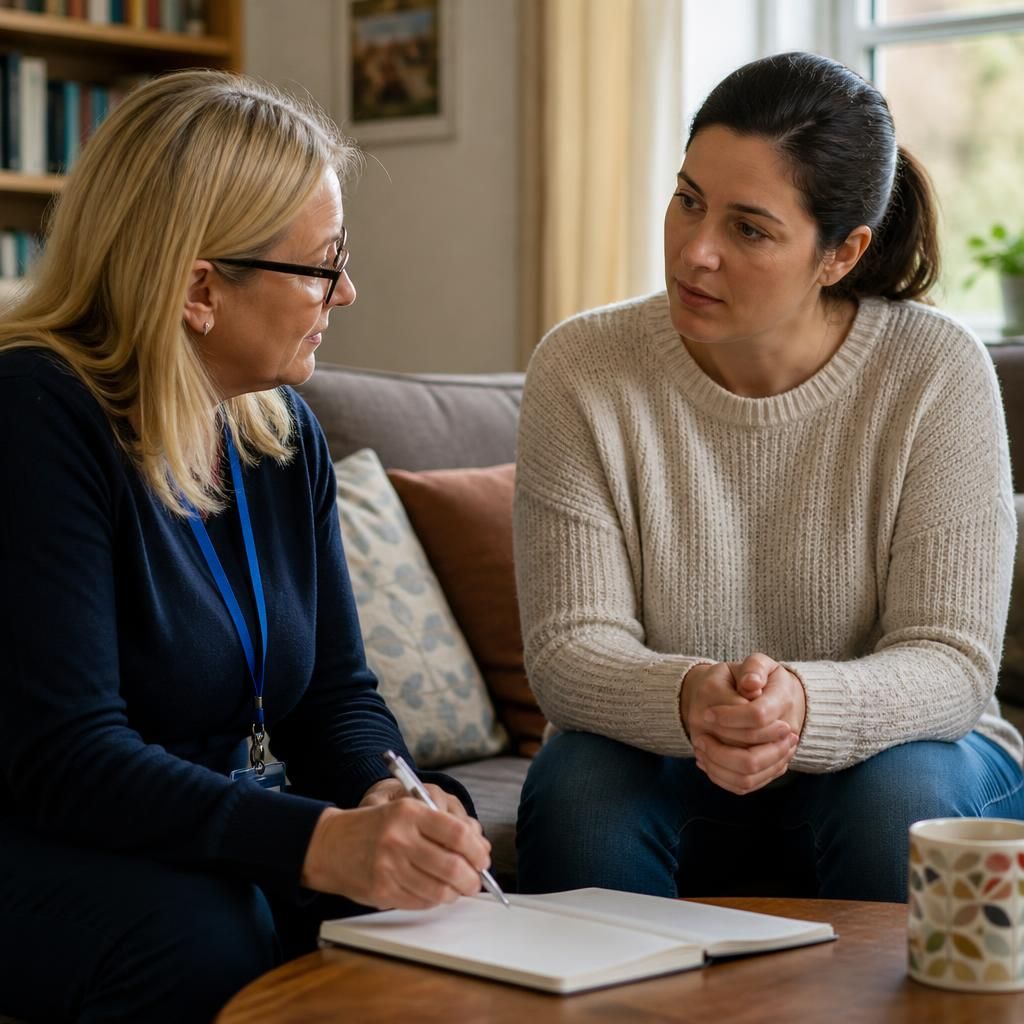
When a change affects other people in your household, the assessing social worker may need to revisit their views as well as your own. This can include discussing how the change affects routines, relationships, responsibilities and each person’s understanding of fostering.
Adults involved in the household should be open about whether they can continue to support the application. Children and young people may also need age-appropriate opportunities to express how they feel about the change. Their views do not decide the assessment alone, but they help the assessor understand whether fostering remains realistic and safe for everyone in the home.
Talk to us about a change in your circumstances
If your circumstances change during your assessment, speak to our fostering team so you can understand what information may be needed and how the process can move forward.