

How should foster carers prepare a child for a placement ending?
Prepare a child for a foster placement ending through honest, age-appropriate conversations, guided by their social worker and the agreed transition plan. Explain what will happen, allow time for questions and feelings, involve the child in practical preparations where appropriate, and help them preserve important memories, relationships and belongings.
Partnering with an
Ofsted Outstanding Provider
Preparing a child for a foster placement ending is a planned, child-centred process that reduces uncertainty and helps the child move safely between carers, family members or another care arrangement. The approach should be tailored to the reason for the move, the child’s age and understanding, their relationships, and any risks identified by the child’s social worker and fostering service.
Start preparation as early as the circumstances allow
Placement endings can happen for different reasons, including reunification with birth family, a move to a permanent home, a change to another foster placement, entry into supported accommodation or a breakdown in the current arrangement. Each situation requires different planning. Ask the child’s social worker to explain the proposed timescale, who will be involved and what information can safely be shared.
Some endings are planned over a period of time, while others follow an urgent decision. If there is a safeguarding concern or an immediate risk, the child’s safety takes priority and preparation may need to be shorter. Foster carers should not delay an agreed move or disclose sensitive information before professionals have considered the implications.
Use communication suited to the child
A child’s chronological age does not always reflect their level of understanding. Consider their development, experience of care, communication needs, neurodiversity, language, learning needs and any trauma-related responses. Younger children may understand information more effectively through simple explanations, drawings, calendars or play. Older children may need written information, private conversations and opportunities to consider practical questions about education, travel, friends and personal possessions.
Give information in manageable stages rather than assuming that one conversation is enough. Check understanding by asking the child to explain what they think is happening, rather than asking only whether they understand. Correct misunderstandings calmly. Avoid complicated explanations, blame or information that the child is not yet ready to process.
Do not make promises about matters that have not been agreed, such as where the child will live permanently, how often they will see someone or whether circumstances will change again. A clear explanation that something is not yet known is more reliable than reassurance that may later prove incorrect.
Help the child take part without making them responsible
Children should be involved in decisions and arrangements that affect them wherever this is appropriate, but they should not be expected to decide matters that belong to adults or feel responsible for the outcome. Offer realistic choices, such as which familiar item to take, how information is explained to school or what type of activity would help mark the change. Make clear that adults are responsible for the plan and that the child does not need to choose between important people.
Listen for views that may not be expressed directly. Changes in sleep, eating, behaviour, school attendance, play, communication or physical symptoms may indicate worry. A child may appear unconcerned, become unusually compliant or reject discussions altogether. These responses do not necessarily mean that the child is coping well. Share significant changes with the social worker and follow the agreed safeguarding and support arrangements.
Maintain continuity during the transition
Identify the parts of daily life that can remain stable. This may include school arrangements, clubs, cultural or faith practices, health appointments, preferred routines, important foods, ways of settling at night and trusted adults. Pass relevant information to the next carers or professionals through the agreed channels, while respecting confidentiality.
A practical handover should cover the child’s health needs, medication, education, routines, communication style, triggers, calming strategies, interests and important dates. Information must be accurate and proportionate. It should describe what helps the child rather than labelling them by their behaviour. The child should be told what information is being shared and why, in a way they can understand.
Where a new carer or home is involved, introductions should follow the transition plan. This might include photographs, a visit, a video call, a gradual increase in time together or information about the new household. The pace must reflect the child’s needs and the professional assessment of risk. Do not arrange informal contact or visits independently where this could conflict with court orders, contact arrangements or safeguarding decisions.
Coordinate the adults around the child
Consistency is easier when the foster carer, child’s social worker, supervising social worker, birth family where appropriate, school and incoming carers understand their roles. Agree who will answer likely questions, how updates will be given and what the child should be told if arrangements change. Children can become more unsettled when different adults provide contradictory accounts.
Ask professionals to consider whether the child needs additional support from a therapist, advocate, independent reviewing officer or another specialist. A child may want an independent adult to help them express views or understand their rights. Any support should be arranged through the relevant professionals and be suitable for the child’s circumstances.
Prepare for changes after the move
Preparation should include what happens immediately afterwards, not just the day of the move. Clarify who will provide ongoing care, how the child can raise a concern, which professionals remain involved and how agreed contact will operate. If the child is moving to a different foster placement or returning to birth family, the arrangements may be reviewed as circumstances develop.
Keep the child’s important documents and information transfers organised in line with the fostering service’s procedures. Record significant discussions, decisions, changes in presentation and information passed to other professionals. Accurate records help the child’s history remain clear and support accountability if plans change.
Manage the final period carefully
Continue ordinary care and boundaries until the placement ends. Avoid treating the child differently, withdrawing from routines or suggesting that the move means previous relationships no longer matter. At the same time, do not create dependence by implying that the child must remain responsible for the foster carer’s wellbeing.
Foster carers should follow the agreed arrangements for communication after the move rather than making private promises. Whether future contact is possible depends on the child’s plan, safety, wishes and decisions made by the relevant professionals. If a child asks whether they can return, visit or keep in touch, acknowledge the importance of the question and explain that the adults responsible for the plan must confirm what is allowed.
Look after your own response
Children often notice a carer’s anxiety, anger or sadness. Foster carers should use their supervising social worker, support network and agreed professional channels to process their own feelings, rather than asking the child to provide comfort or take sides. Maintaining a calm, predictable approach helps the child focus on their own transition.
If the child becomes highly distressed, talks about harming themselves or someone else, goes missing, faces a safeguarding risk or shows a serious deterioration in functioning, contact the child’s social worker and follow the fostering service’s emergency and safeguarding procedures. The aim is not to make the ending appear easy, but to ensure that the child receives honest information, appropriate involvement and coordinated support throughout the change.
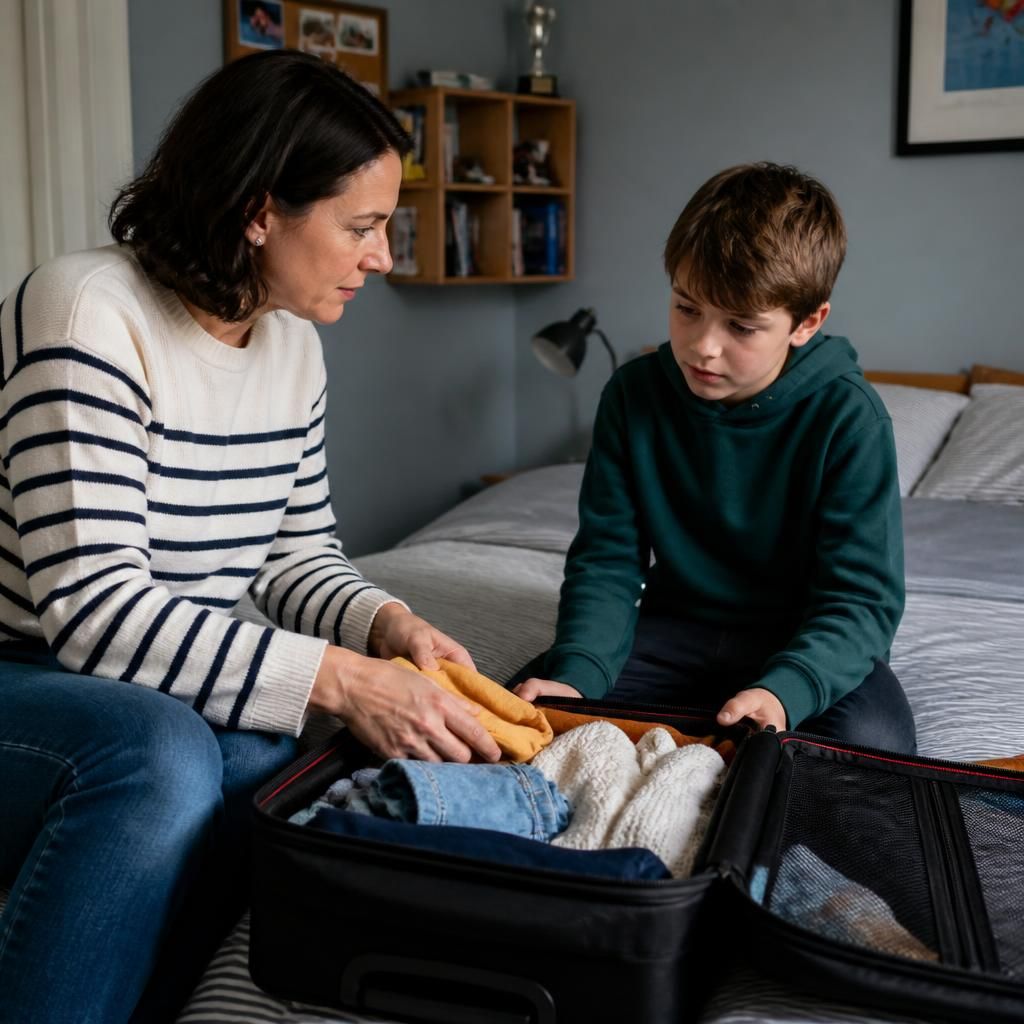
Explain clearly that the placement ending is an adult decision and is not the child’s fault. Children may believe they are being moved because of something they said, did or failed to do, particularly if they have experienced previous disruptions. Reassure them directly that they are not being punished and do not need to choose between the foster carer, their birth family or another person they care about.
Give the child permission to have mixed feelings. They may feel relieved, worried, angry, excited or sad at the same time, and their feelings may change from one day to the next. Avoid asking them to describe the move as positive or expecting gratitude. Instead, acknowledge what they say, correct any misplaced blame and remind them that trusted adults will help with the decisions and next steps.
Talk to us about preparing for a foster placement ending
If you are considering fostering or need guidance about supporting a child through a placement ending, talk to our fostering team about the next steps and the support available.