

What does the foster care reunification process involve?
The foster care reunification process involves assessing whether a child can safely return to their birth family, building and reviewing family contact, and preparing everyone for the move home. Decisions are led by the child’s welfare and made with the local authority, birth family, foster carers and other professionals involved.
Partnering with an
Ofsted Outstanding Provider
Reunification is a planned process for helping a child return from foster care to live with a parent or another family member when assessments show that this can happen safely and meet the child’s needs. It is not an automatic outcome of a child being looked after, and the plan can change if circumstances or risk levels change.
The process usually includes the following stages:
- Assessing the family’s circumstances: The local authority assesses whether the issues that led to the child entering care have been addressed. This may include parenting capacity, housing, relationships, physical and mental health, substance misuse, domestic abuse, safeguarding concerns and the family’s ability to provide consistent care. The assessment should consider the child’s individual needs, including education, health, identity and relationships.
- Considering the child’s wishes and welfare: The child’s views should be sought in an age-appropriate way and given proper weight alongside professional assessments. Their feelings about returning home, worries about change and relationships with their birth family and foster family all help inform planning. Younger children may express their views through behaviour, play or other forms of communication rather than direct discussion.
- Reviewing the care plan: The child’s care plan sets out the proposed long-term arrangements and is reviewed as information develops. Professionals consider whether reunification remains in the child’s best interests, what support is required and what safeguards need to be in place. The decision-making process may involve social workers, independent reviewing officers, education and health professionals, the child’s family and the foster carer.
- Developing family contact: Contact commonly increases gradually when this is safe and appropriate. It may move from supervised sessions to less supervised time, longer visits, outings or overnight stays. Each stage gives professionals an opportunity to observe how the child and family manage together, identify difficulties and adjust the plan. Contact arrangements should be reviewed rather than increased simply according to a fixed timetable.
- Preparing for the move: A transition plan explains when and how the child will move, who will be involved and how important routines will be maintained. Preparation can include visits to the family home, conversations about bedrooms and belongings, introductions to schools or local services, and clear arrangements for medication, appointments, education and daily care. Children may need repeated explanations because a return home can bring mixed feelings, even when it is what they want.
- Agreeing safeguards and support: Before the move, the local authority should identify practical support and actions to reduce known risks. This might involve parenting work, therapeutic help, assistance with housing or finances, support from extended family, or a clear safety plan. The plan should say who to contact if difficulties arise and what steps will be taken if the arrangement becomes unsafe.
- Moving home and monitoring the arrangement: The move is arranged with the child’s welfare in mind and may be gradual or take place on an agreed date. The local authority continues to monitor the child’s situation after the return and reviews whether the support and safeguards are working. If concerns reappear, professionals may increase support, reconsider contact or review the child’s living arrangements.
Foster carers have an important role throughout reunification. They can share accurate information about the child’s routines, behaviour, health, development and relationships, attend planning meetings and help the child prepare for change. Their observations should be factual and child-focused rather than based on assumptions about the birth family. They may also help the child organise belongings, record memories and maintain appropriate relationships after the move if this forms part of the agreed plan.
Foster carers should raise concerns promptly if contact is distressing, a child’s behaviour changes significantly, or they believe agreed safeguards are not being followed. They should not make private arrangements to delay or change the move. Questions about the plan should be discussed with the child’s social worker and supervising social worker so that decisions remain coordinated.
Reunification can involve uncertainty. A child may appear settled during contact but struggle with a longer visit, or a family may need more time to demonstrate that changes are lasting. A planned return should therefore include realistic expectations, information shared between professionals and a clear contingency plan. If returning home is no longer considered safe or suitable, the local authority must review the care plan and consider another arrangement that meets the child’s welfare needs.
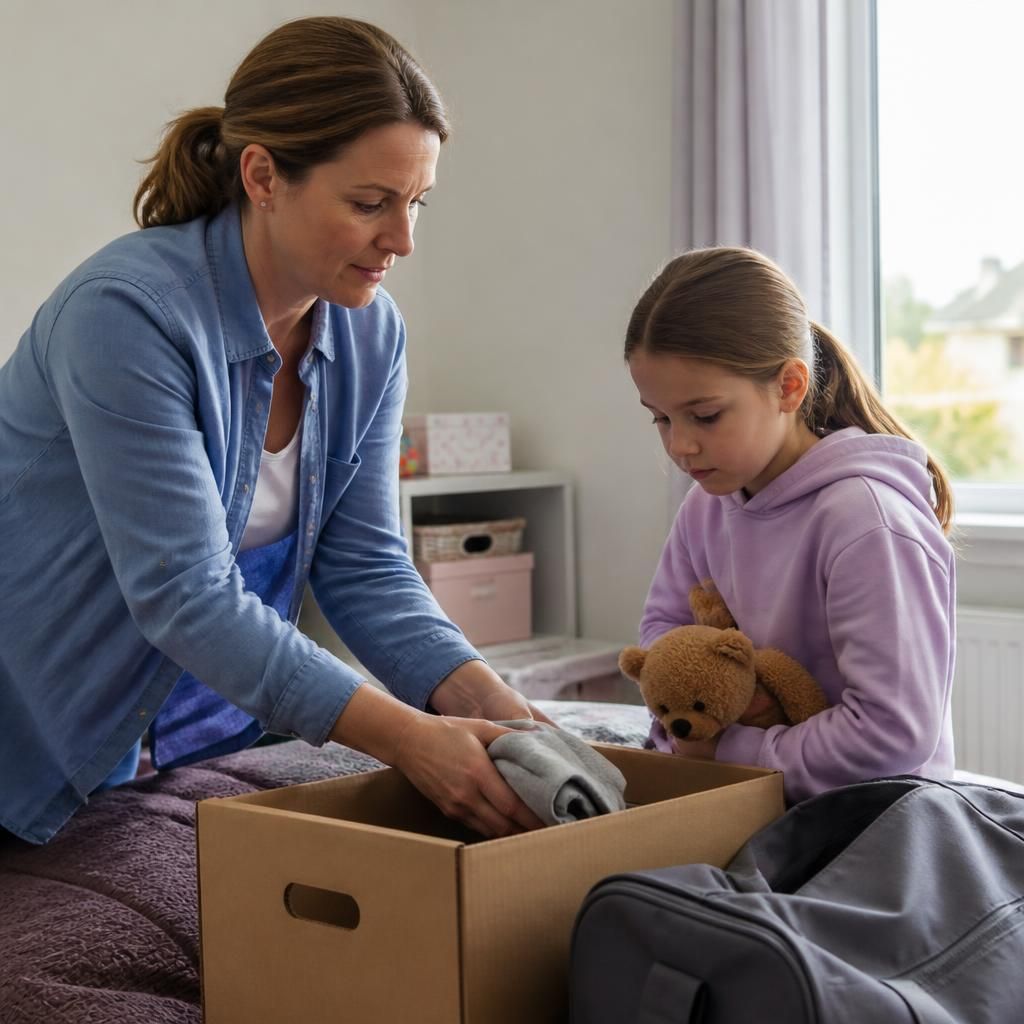
Reunification does not always mean a child returning to a parent. The proposed home may be with a grandparent, sibling, aunt, uncle or another connected adult, depending on the child’s relationships and welfare needs. That person must be assessed as able to provide safe, consistent care, including consideration of their home, parenting capacity, health, support network and understanding of the child’s needs.
The child’s relationship with the relative will also be considered. Contact may increase gradually so the child and relative can build confidence before any move is agreed. Professionals should set out practical arrangements for education, health appointments, routines, relationships and financial or family support, with the child’s views included throughout. The same principle applies: a return should proceed only when it is assessed as safe and in the child’s best interests.
Discuss the foster care reunification process with our team
If you are considering fostering and would like to understand the responsibilities involved when a placement ends, discuss the foster care reunification process with our team.