
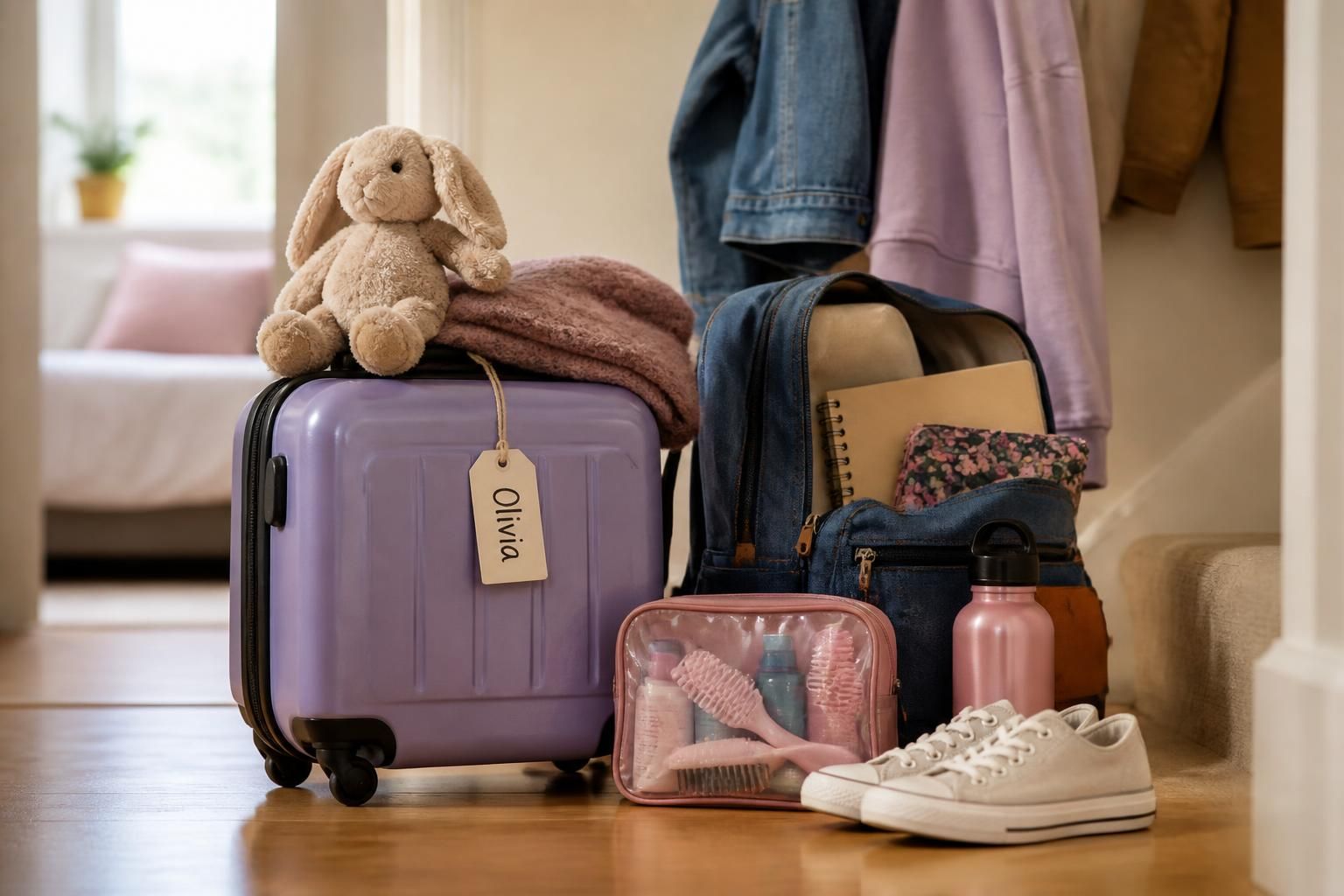
What happens to a child’s belongings when a foster placement ends?
When a foster placement ends, the child’s belongings should go with them wherever they move, whether they return to their family, move to another foster home or enter another care arrangement. Foster carers should work with the child’s social worker and the next carers or family to make an agreed plan for packing, transporting and safely handing over everything, including clothing, school items, documents, photographs and personal keepsakes.
Partnering with an
Ofsted Outstanding Provider
A child’s belongings remain their property when a foster placement ends and should be managed as part of the child’s move and care plan. They should not be discarded, withheld or passed on without an appropriate decision involving the child’s social worker, the child where appropriate, and the adults responsible for the next stage of their care.
Before the move, the belongings should be checked and recorded. A practical inventory can help prevent items being missed or disputes arising later. This may include:
- Everyday clothing, shoes, coats and school uniform
- School books, equipment, certificates and other educational materials
- Toiletries, comfort items, toys and hobbies
- Photographs, letters, artwork, diaries and memory-box contents
- Identity documents, health information and prescriptions, where these are held by the foster carer
- Electronic devices, chargers, headphones and other personal technology
It can be useful to note the condition of valuable or important items and take photographs of them, following the agency’s recording and privacy guidance. The inventory should be shared securely with the social worker and, where appropriate, the receiving carer or family. Sensitive records should not be left in bags or handed to people who are not authorised to receive them.
The child should be involved in decisions about packing whenever possible. Their age, understanding, communication needs and emotional state will affect how this is done. A younger child may need help sorting belongings, while an older child may want to pack privately or choose what to take personally. Giving the child reasonable control over familiar objects can make the transition more manageable. Adults should take care not to describe possessions as rubbish or force a child to discard items connected with their identity, relationships or memories.
Some items may need particular consideration. Medication should be handed over safely with clear instructions, in line with professional guidance. School materials may need to move promptly so that education is not disrupted. Personal documents and life-story material should be passed to the person or service responsible for keeping them. Items containing private information, such as photographs or letters, should be handled discreetly and only shared with those who have a legitimate reason to see them.
Belongings that cannot travel immediately should have an agreed storage plan. This might apply if a child enters hospital, moves in an emergency, has more possessions than can be transported at once, or is moving into accommodation with limited space. The social worker should confirm who will store the items, where they will be kept, how they can be collected and what will happen if the child’s circumstances change. Foster carers should avoid making their own arrangements to dispose of or permanently store property without professional agreement.
There may also be uncertainty about ownership. A child’s personal item should not be assumed to belong to the foster family simply because it was bought during the placement. Conversely, items bought specifically for shared use in the foster home may not be the child’s personal property. If ownership is unclear, the safest approach is to pause the decision and ask the supervising social worker or the child’s social worker for guidance. Any disagreement should be recorded and dealt with through the relevant fostering or children’s services procedure rather than argued in front of the child.
Foster carers should check for belongings after the child has left, particularly items that may have been overlooked in drawers, under beds, in the garden or at school. If something important is found later, the social worker or receiving carer should be contacted so that a safe handover can be arranged. The same applies if an item is damaged, lost or mistakenly sent elsewhere. The circumstances should be reported honestly; trying to replace or conceal an item without agreement may make matters more difficult.
When a placement ends suddenly, there may be little opportunity for a full packing process. Even then, essential clothing, medication, comfort items, documents and items the child identifies as important should be prioritised. A more complete check and collection can be organised afterwards with the professionals involved. The child’s safety and immediate needs take priority, but belongings should remain part of the follow-up plan.
Foster carers can support a respectful handover by preparing suitable bags or boxes, labelling them clearly, keeping valuables secure and making a simple list of what has been transferred. They should also follow any instructions in the child’s placement plan and ask for advice where the move involves family reunification, another foster placement or a different care setting. The supervising social worker can help clarify responsibilities when the arrangements are complex.
After the move, keeping a clear record of what was handed over can protect the child, the foster carer and the receiving adults. It also helps identify anything that needs to be collected later. The main principle is that a placement ending should not mean a child loses access to their possessions, personal history or important links with their previous home.
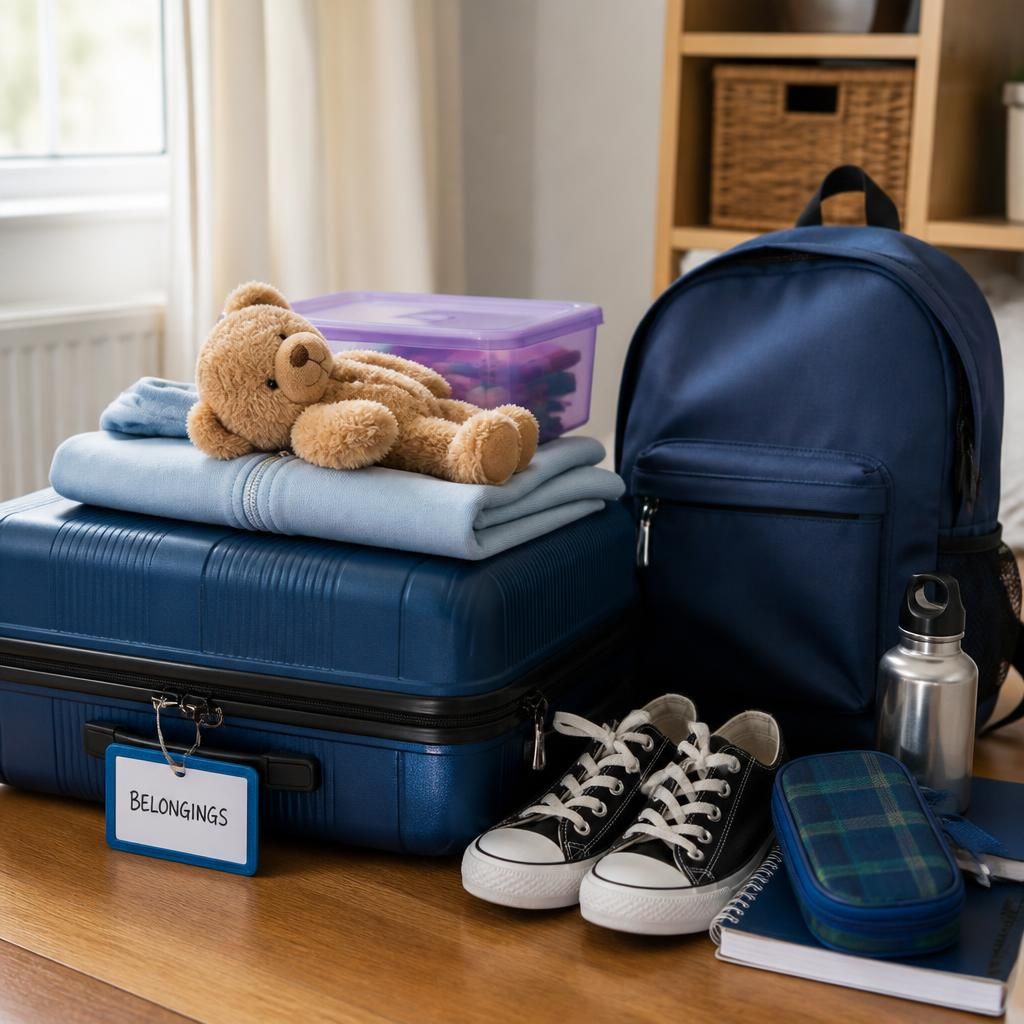
If a child says they do not want to take certain belongings when a foster placement ends, this should not automatically be treated as giving them up. A refusal may reflect distress, confusion, lack of space or difficulty thinking about the move. The item should be discussed calmly with the child’s social worker before anyone decides what should happen to it.
Foster carers can help by asking whether the child wants the item kept for later, taken by another trusted adult or left for collection. The decision should be recorded clearly, including who is responsible for the item and how the child can access it in future. If the child is unable to express a view, adults should follow the care plan and seek professional guidance rather than making assumptions.
This approach is particularly important for belongings connected with family relationships, identity or significant memories. A child should not feel that refusing to pack something means losing it permanently, and possessions should never be used to pressure them into accepting a move.
Ask us about managing a child’s belongings when a placement ends
If you need help understanding your responsibilities when a placement ends, speak to our fostering team for practical guidance based on your circumstances.